A Chronology of Early Intervention
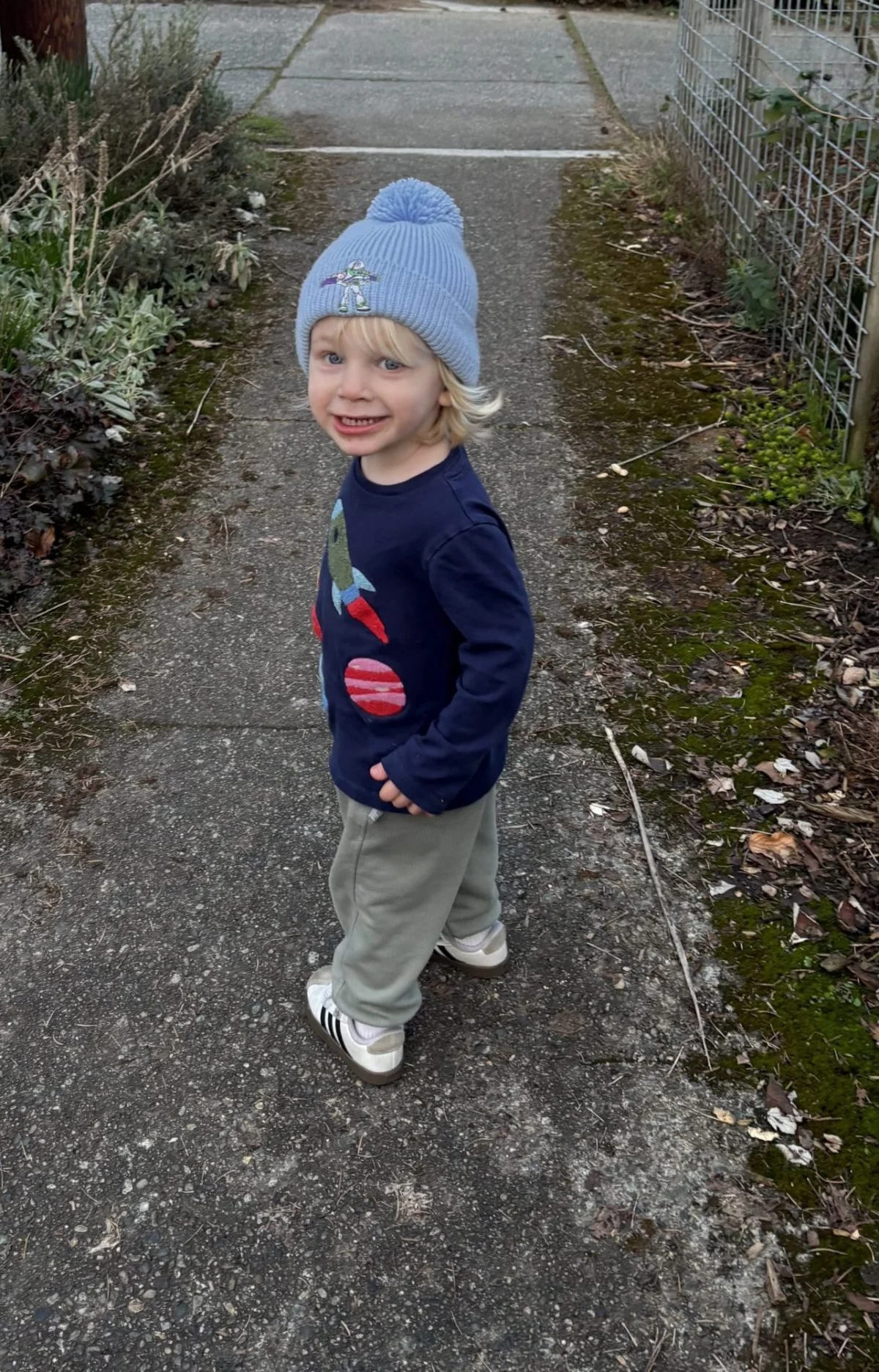
Landon’s experience underscores the critical nature of the "Birth to Three" window, a period recognized by pediatricians and developmental experts as the most vital for linguistic and cognitive development. Landon began receiving services from Listen and Talk, an organization specializing in auditory-verbal education, when he was only three months old.
The initial months were defined by a rigorous schedule of diagnostic testing and audiological assessments. By 17 months, Landon was fitted with hearing aids, a milestone that significantly improved his access to the soundscape of his daily life. Throughout this period, the role of specialized support specialists proved to be a cornerstone of the family’s stability. Meghan, a program specialist, provided not only technical guidance on hearing aid troubleshooting and speech sound acquisition but also served as a primary source of emotional support during a period of high parental stress.
As Landon transitioned into a preschool setting, the nature of this intervention evolved. The support shifted from purely home-based education to a collaborative model that included his classroom teachers. Strategies implemented in his preschool environment—such as strategic seating, the mitigation of ambient noise, and the recognition of "hearing fatigue"—demonstrate the practical, day-to-day accommodations that allow children with hearing loss to succeed in mainstream environments.
The Role of Blended Classrooms in Modern Education
Listen and Talk utilizes a model known as the "Blended Classroom," which integrates children with hearing loss alongside their typically hearing peers. This environment is designed to be auditorily rich, providing a stimulus-heavy space that encourages the development of communication skills through natural interaction.
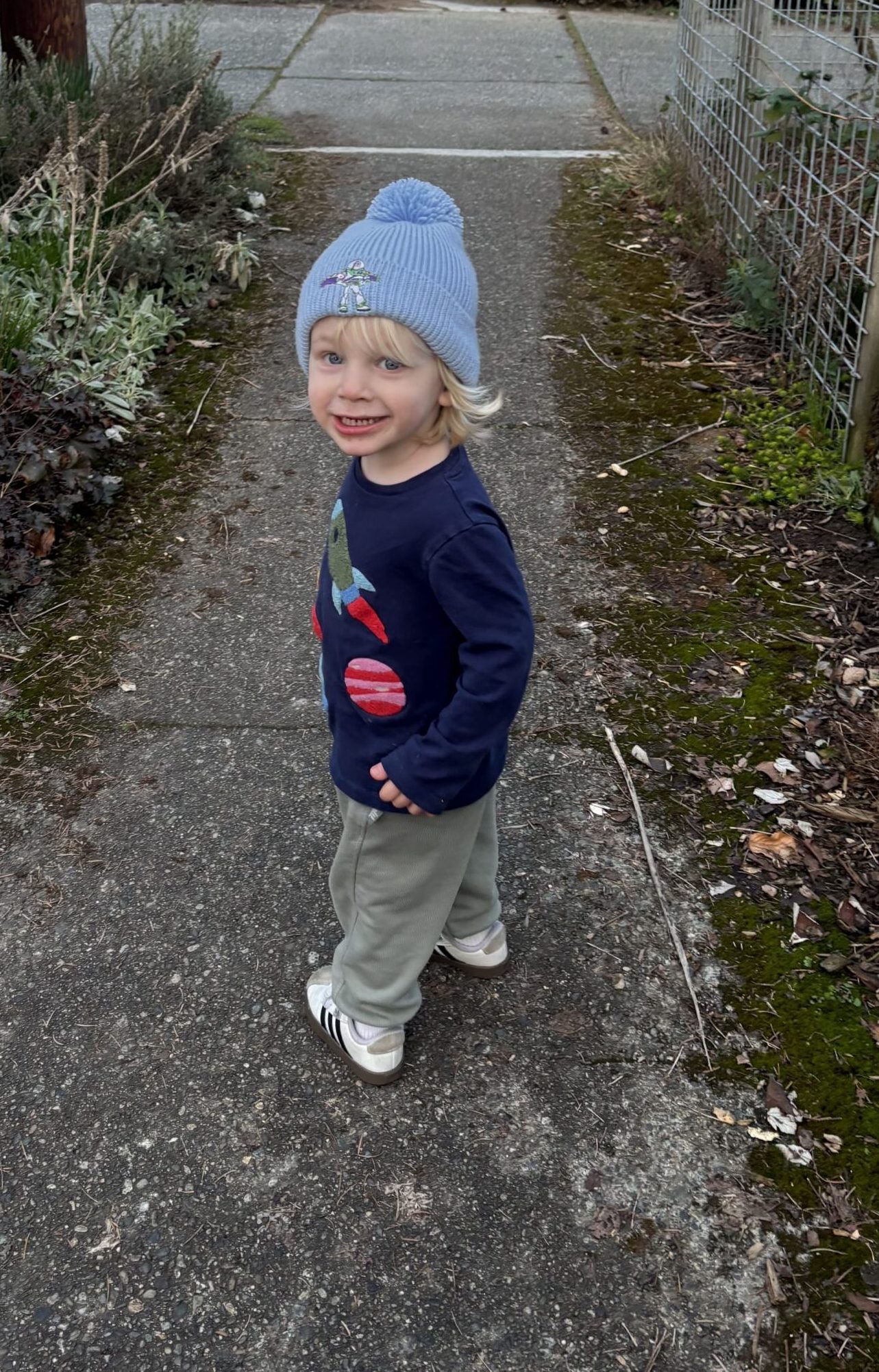
The educational philosophy behind the blended model is rooted in the development of self-advocacy. For children with hearing loss, learning to navigate a world built for those with typical hearing is a prerequisite for long-term success. By being "pulled out" for targeted speech therapy while remaining integrated in the general classroom, students learn to articulate their needs to teachers, coaches, and peers. This transition is intended to prepare them for the challenges of Kindergarten and beyond, ensuring that their hearing status does not become a barrier to social or academic participation.
Statistical Context and Developmental Data
The importance of early intervention for children with permanent hearing loss is backed by extensive data. According to the Centers for Disease Control and Prevention (CDC), early identification and intervention can significantly improve language and social-emotional development. Research indicates that children who receive intervention before six months of age are more likely to perform at age-appropriate levels in language acquisition compared to those who receive support later in life.
For children like Landon, whose hearing loss is linked to specific genetic factors like the STRC gene, the intervention process is nuanced. Sensorineural hearing loss, which results from damage to the inner ear or the nerve pathways from the inner ear to the brain, is often permanent. However, the use of assistive technology—combined with auditory-verbal therapy—allows for the "mapping" of sounds that the brain might otherwise struggle to interpret. In Landon’s case, consistent testing and assessment have demonstrated a direct correlation between his therapeutic engagement and his vocabulary growth, with parents reporting a marked improvement in his articulation and linguistic confidence.
Expert Perspectives and Support Systems
The success of early intervention programs often relies on the "triad" of care: the clinical audiologist, the educational specialist, and the parents. In the case of Landon, the partnership between the family and the service providers at Listen and Talk acted as a buffer against the confusion often associated with navigating a medical diagnosis.
Educational specialists argue that the inclusion of parents in the intervention process is non-negotiable. By teaching parents how to troubleshoot equipment and reinforce speech techniques at home, programs like the one Landon attends ensure that the "therapy" is not confined to a clinical hour but is embedded in the child’s lifestyle. This holistic approach helps mitigate the "hearing fatigue" often experienced by children who must work harder than their peers to decode speech in noisy, real-world environments.
Broader Implications for Public Health and Education
The broader implications of these findings suggest that society’s approach to pediatric hearing loss must prioritize accessibility and funding for support services. While hearing aids and cochlear implants are technological marvels, they are only as effective as the educational support surrounding them.

The "social impact enterprise" model employed by organizations such as Listen and Talk highlights the necessity of private-public synergy. Through the funding of audiology testing, parent education, and classroom integration, these organizations fill gaps that are often left vacant in traditional school systems. As more children are diagnosed through mandatory newborn screenings, the demand for high-quality, specialized early intervention is projected to rise.
The economic and social value of this investment is profound. A child who receives adequate support in their formative years is statistically more likely to graduate, pursue higher education, and participate fully in the workforce. By contrast, a lack of intervention can lead to long-term language deficits, social isolation, and limited economic opportunities.
Moving Toward a Future Without Limits
The mission statement shared by organizations like Listen and Talk—that "no child is limited by hearing loss"—reflects a shift in the disability advocacy movement. The goal is no longer just to "manage" a diagnosis, but to provide the tools for true integration.
For parents of newly diagnosed children, the process remains daunting. However, the success stories of children who have thrived through early intervention serve as a template for what is possible. By focusing on advocacy skills and a supportive, auditory-rich educational environment, the barriers that once limited the potential of children with hearing loss are being dismantled, one speech lesson and one classroom accommodation at a time.
As Landon continues his education, his progress serves as a testament to the efficacy of consistent, early, and specialized intervention. His journey—from the uncertainty of a diagnosis at two months to the confidence of a preschooler who can advocate for his own needs—is a blueprint for the importance of ongoing investment in the developmental health of all children. Through the continued support of charitable initiatives and a commitment to inclusive educational practices, the future for children with hearing loss is increasingly defined by opportunity rather than limitation.