The Clinical Context of Home Modification
Vestibular disorders, which include conditions such as Meniere’s disease, vestibular neuritis, and benign paroxysmal positional vertigo (BPPV), disrupt the body’s ability to process sensory information regarding motion and equilibrium. When the vestibular system fails, the brain relies more heavily on visual and proprioceptive (touch/position) inputs. This shift makes the patient’s immediate environment a critical component of their overall treatment plan. Chronic vestibular dysfunction is frequently comorbid with photophobia (light sensitivity) and "visual vertigo," where complex patterns or flickering lights exacerbate symptoms. Consequently, environmental engineering is no longer viewed as a secondary comfort measure but as a primary intervention in fall prevention and symptom management.
Lighting Optimization and Migraine Mitigation
One of the most profound triggers for vestibular-related distress is high-intensity or poorly regulated lighting. Clinical research indicates that individuals with vestibular migraines or persistent postural-perceptual dizziness (PPPD) often experience heightened sensitivity to certain wavelengths of light and rapid changes in brightness.
The implementation of dimmers on kitchen and bathroom lighting serves as a critical environmental adjustment. By allowing for a gradual transition from darkness to light, residents can prevent the sudden "visual shock" that often triggers morning dizzy spells. Standard LED or fluorescent lighting can produce a subtle flicker that is imperceptible to the average person but highly destabilizing for a vestibular patient. The use of dimmers, particularly those compatible with high-quality, flicker-free LED bulbs, provides a "peaceful glow" that allows the visual system to calibrate slowly. Experts suggest that keeping light levels at 30% to 50% during peak symptomatic periods can significantly reduce the frequency of light-induced neurological events.
Structural Safety: The Role of Stabilizing Hardware
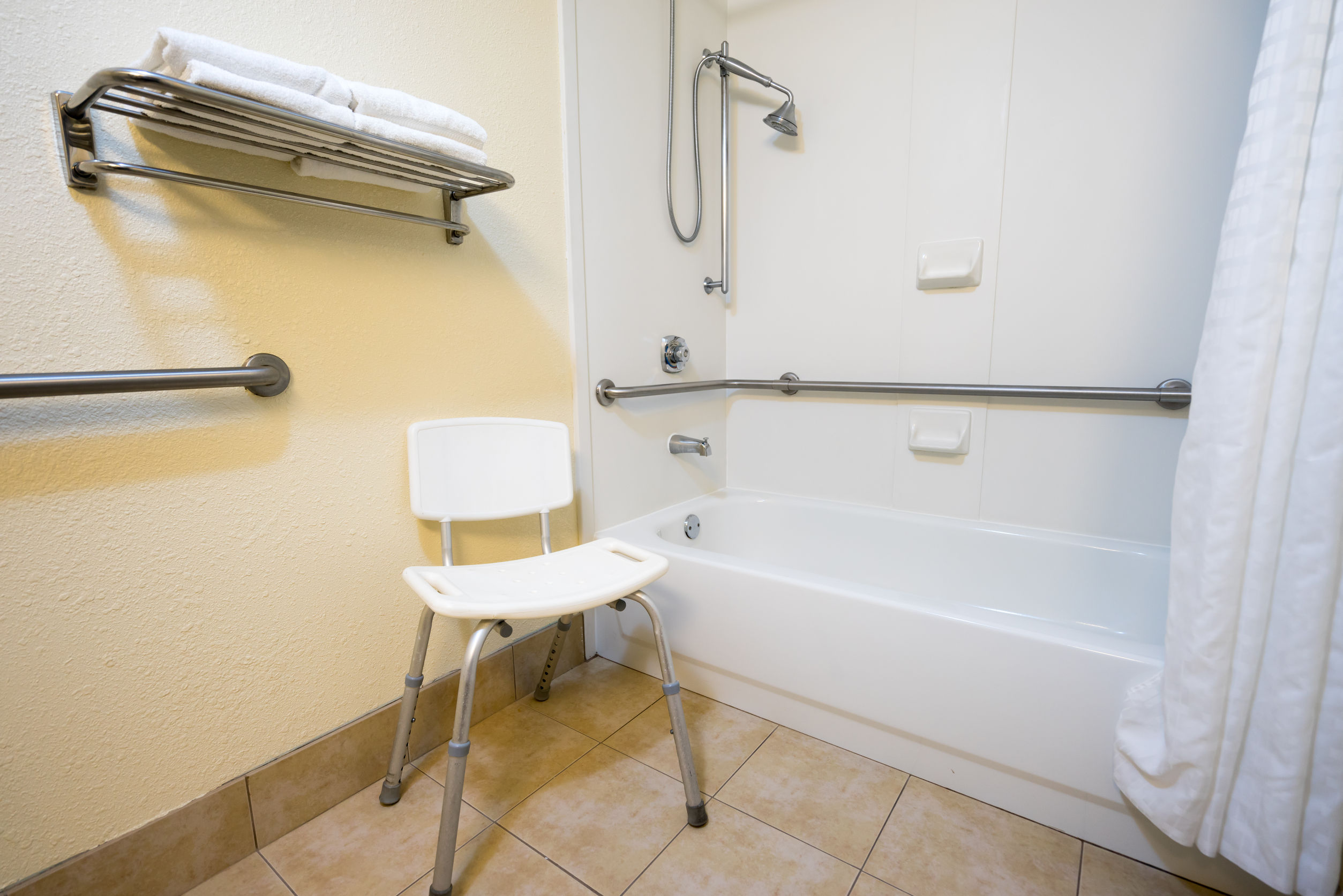
The bathroom remains the highest-risk area for falls within the home due to slippery surfaces and the necessity of frequent postural changes. For those with vestibular impairment, the act of closing one’s eyes to wash hair or bending over to reach for toiletries can result in a complete loss of spatial orientation.
Professional safety standards, such as those established by the Americans with Disabilities Act (ADA), recommend the installation of grab bars in showers and near toilets. These bars provide a crucial "third point of contact," allowing the user to ground themselves physically when their internal equilibrium fails. While often associated with geriatric care, these modifications are increasingly recommended for younger patients with chronic vestibular issues. A strategically placed grab bar reduces the cognitive load required to maintain balance, allowing the individual to focus on the task of bathing without the constant fear of a fall.
Navigational Clarity and Pathway Ergonomics
Interior design for vestibular health prioritizes functionality over aesthetics. The concept of "open pathways" is essential for preventing tripping hazards, particularly during nighttime navigation when visual cues are limited.
A common strategy involves the "anchoring" of furniture. By arranging heavy, stable items—such as the backs of sofas, sturdy dining tables, or heavy consoles—along primary walking routes, residents create a series of "grounding touchstones." These items provide immediate physical support if a sudden wave of dizziness occurs. Conversely, the placement of decorative items or chairs in the center of high-traffic zones is discouraged by mobility experts. A clear, unobstructed line of sight from the bedroom to the kitchen or bathroom reduces the need for the rapid head movements that often trigger vertigo.
The Impact of Visual Clutter on Sensory Processing
Visual vertigo, or the "supermarket effect," occurs when a person becomes overwhelmed by busy environments. In the home, this translates to high-contrast patterns, vibrant wallpapers, and excessive decorative "tchotchkes." To combat this, specialists recommend a "minimalist-neutral" approach to interior decoration.
By decluttering spaces and adopting neutral color palettes, the brain is required to process fewer visual stimuli. This reduction in "visual noise" allows the nervous system to remain in a calmer state, preventing the sensory overload that can lead to a "whirlwind" sensation. While bold colors are not entirely prohibited, they are more effectively used as small accents rather than dominant themes, ensuring that the home remains a stabilizing force rather than a source of neurological chaos.
Occupational Outsourcing and Vibration Management
The mechanical aspects of home maintenance present unique challenges for those with vestibular disorders. The vibrations and sustained noise from vacuum cleaners, for instance, can disturb the delicate structures of the inner ear, leading to prolonged periods of instability. Furthermore, the physical requirements of deep cleaning—bending, reaching, and looking upward—are high-risk movements for triggering BPPV or orthostatic hypotension.
Economic analysis suggests that for many vestibular patients, hiring professional cleaning services is a cost-effective alternative to the potential medical expenses associated with a fall. By delegating tasks that involve significant head-position changes or exposure to vibration, patients preserve their energy for vestibular rehabilitation exercises and daily functioning.
Technological and Mechanical Aids for Daily Living
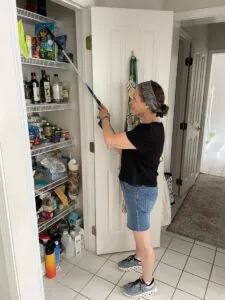
For individuals with height challenges or those who must avoid looking up (a common trigger for vertigo), the "reacher-grabber" tool is an indispensable asset. These devices allow for the retrieval of items from high shelves or the floor without requiring the user to tilt their head or bend at the waist.
Additionally, maintenance tasks such as changing smoke detector batteries or air filters should be outsourced to family members, friends, or local service providers. Many municipal fire departments offer programs to assist residents with smoke detector maintenance, recognizing the high risk of falls associated with ladder use among those with balance disorders.
Kitchen Ergonomics: The Grounding Effect of Seating
The kitchen is a site of significant physical demand, often requiring long periods of standing. For a vestibular patient, "bracing" against a counter provides proprioceptive feedback that helps the brain determine the body’s position in space. However, prolonged standing can lead to muscle fatigue and neck stiffness, which often exacerbates dizziness.
The introduction of a high-set barstool allows the resident to sit while preparing meals, reducing the strain on the musculoskeletal system. Occupational therapists recommend stools that allow the user to keep their feet flat on a rung or the floor, maintaining a wide base of support. This modification ensures that tasks such as cutting, stirring, and assembling food can be performed at a height that prevents hunching, thereby protecting the cervical spine—a frequent co-factor in vestibular dizziness.
Communication and Emergency Preparedness
In the absence of a traditional landline, the "always-on-person" phone policy is a critical safety protocol. For those living alone, the risk of falling and being unable to reach a communication device is a primary concern.
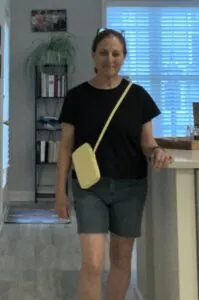
The use of a lightweight shoulder bag or "phone holster" ensures that help is always within reach. This practice eliminates the need to rush toward a ringing phone—a common cause of sudden, destabilizing movements. Furthermore, modern smartphones often include fall-detection technology that can automatically alert emergency services or family members if a sudden impact is detected, providing an additional layer of security for the vestibular patient.
Psychological Well-being: Creating a "Stillness Zone"
Beyond physical safety, the psychological impact of chronic dizziness cannot be overstated. Anxiety and depression are frequent comorbidities of vestibular disorders. Establishing a "recovery sanctuary" or a "stillness zone" within the home is essential for mental health.
This space—often a recliner or a quiet corner—should be optimized for comfort and sensory deprivation. Elements such as weighted blankets, noise-canceling speakers for ambient music, and soothing visual elements (like a slow-moving mobile) help the patient disconnect from the "spinning" world. This dedicated space serves as a controlled environment where the nervous system can reset after a period of high activity or a symptomatic flare-up.
Integration with the Natural World
While indoor safety is paramount, controlled exposure to the outdoors is vital for vitamin D synthesis and psychological grounding. For those with light sensitivity, outdoor time must be carefully managed.
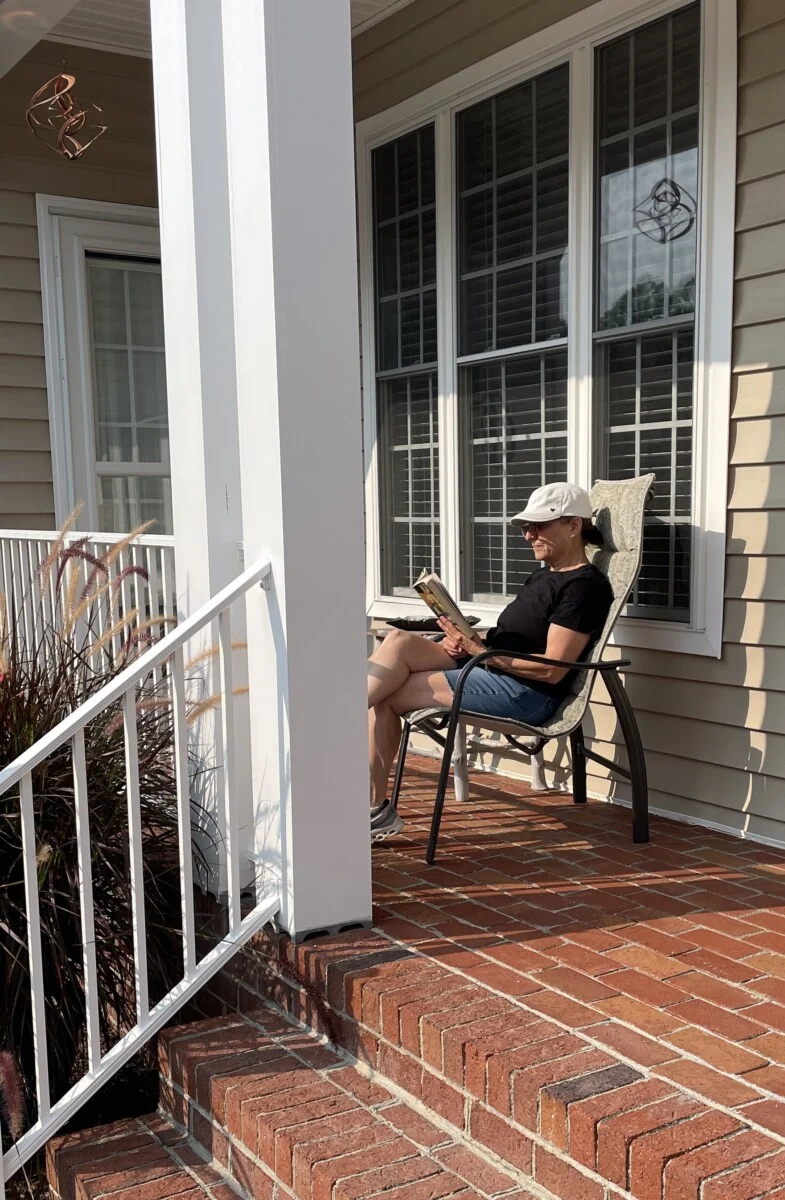
The use of wide-brimmed hats, high-quality polarized sunglasses, and umbrellas allows patients to enjoy porches or yards without triggering a migraine. Even 15 minutes of exposure to natural light and outdoor sounds can have a restorative effect. On days when visual vertigo is high, experts recommend sitting outdoors with eyes closed, focusing on the tactile sensations of the breeze and the grounding of the chair, which can help recalibrate the body’s sense of place.
Conclusion: The Broader Impact of Home Engineering
The transition to a "dizzy-friendly" home is a process of ongoing assessment and adjustment. As noted by the late Rosalynn Carter, "There is nothing more important than a good, safe, and secure home." For the millions living with vestibular dysfunction, these modifications represent more than just convenience; they are the foundation of a proactive healthcare strategy.
By prioritizing safety over traditional design aesthetics and investing in tools that provide physical and sensory grounding, individuals can regain a sense of agency over their lives. As the medical community continues to explore the complexities of the inner ear, the role of the home environment remains a cornerstone of successful vestibular management, ensuring that "home" remains a true sanctuary rather than a source of risk.