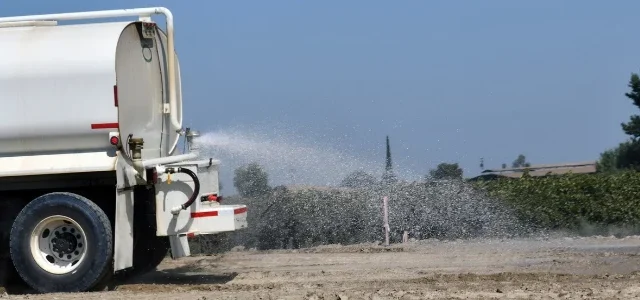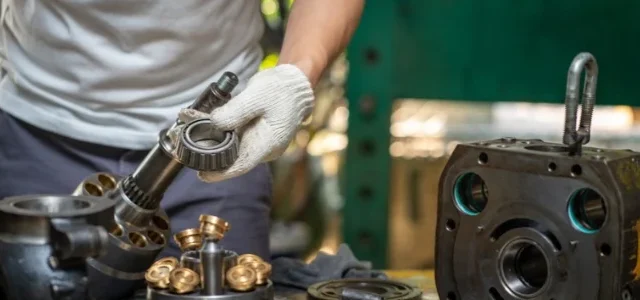

The core functionality of the platform is rooted in simplicity and accessibility. Workers utilize their mobile devices to capture imagery of their immediate job site, supplementing these visuals with brief, concise descriptions of the specific tasks they are about to undertake. Within seconds, the platform’s proprietary AI engine processes this environmental data against a massive database of safety standards and risk profiles. The output is a personalized, actionable risk assessment that provides a specific "risk score" and, more importantly, a list of verifiable safeguards. This immediate feedback loop ensures that before a single piece of equipment is activated or a high-risk maneuver is performed, the worker is equipped with the necessary protocols to navigate potential dangers.

The Evolution of Workplace Safety Culture
For decades, the standard for measuring safety success has relied heavily on lagging indicators. Metrics such as the Total Recordable Incident Rate (TRIR) and Days Away, Restricted, or Transferred (DART) have long served as the primary benchmarks for corporate health and safety programs. While these metrics are essential for historical analysis, they are inherently retrospective—they measure accidents that have already occurred.
The Safe Work Plan platform represents a paradigm shift. By moving the point of intervention to the moment before a task begins, CompScience is advocating for a proactive culture of safety. This approach shifts the focus from "how many people got hurt" to "how many hazards were mitigated before they could lead to an incident." This transition is not merely philosophical; it is a tactical response to the persistent challenges of modern industrial environments, where fast-paced production schedules often leave little room for the kind of manual safety checks that were standard in previous decades.
Addressing the SIF Crisis
The integration of the NSC’s SIF Prevention Model is perhaps the most significant feature of this technology. According to data provided by the National Safety Council, more than 4,000 workers lose their lives annually due to preventable workplace incidents in the United States alone. A disproportionate number of these tragedies fall under the category of SIFs—Serious Injuries and Fatalities—which are defined as incidents that result in life-altering consequences or death.

The SIF Prevention Model provides a structured framework for organizations to identify "precursor" conditions. These are the subtle, often overlooked factors in a work environment that, when combined, create the potential for a catastrophic event. By automating the identification of these precursors, the Safe Work Plan platform forces a focus on the most dangerous tasks. It provides a standardized methodology that allows organizations to prioritize their safety resources, ensuring that the highest risks receive the most rigorous attention. This is particularly vital in sectors like construction, manufacturing, and energy, where the margin for error is razor-thin and the consequences of a lapse in judgment are severe.
Administrative Efficiency and Regulatory Compliance
Beyond the immediate safety benefits, the platform addresses a pervasive pain point in industrial operations: the administrative burden of Job Safety Analysis (JSA). Federal regulations, particularly those set forth by the Occupational Safety and Health Administration (OSHA), mandate that employers conduct and document thorough hazard recognition assessments. Traditionally, this process has been paper-based, time-consuming, and prone to human error or neglect.
In many busy industrial sites, the sheer volume of paperwork required to remain compliant can lead to "compliance fatigue," where forms are filled out hurriedly at the end of the day rather than in real time as conditions change. The CompScience platform automates this documentation process. Because the safety plan is generated, reviewed, and logged during the pre-task phase, the software creates a robust, timestamped record of safety compliance. This digital trail is designed to streamline OSHA audits and inspections, providing clear evidence that a company is not only aware of its hazards but is actively mitigating them in accordance with established best practices.

Implementation and Industry Adoption
The rollout of the Safe Work Plan platform is currently entering its most critical phase. Following a successful internal development period, the software is being piloted by several major industrial firms. These partnerships are essential for refining the AI models, as they provide the real-world data necessary to ensure that the platform remains accurate across diverse environments, from high-rise construction sites to complex manufacturing floors.
Recognizing the need for widespread safety improvements, CompScience has also made a version of the software available to the public. This move is specifically aimed at smaller businesses and independent contractors who may not have access to the large, dedicated safety departments that characterize Fortune 500 companies. By lowering the barrier to entry, the company hopes to democratize high-level safety technology, ensuring that all workers—regardless of their employer’s size—have access to the same caliber of hazard recognition tools.
A Chronology of Proactive Safety Technology
The journey toward this platform began with the broader adoption of computer vision in industrial settings. Early iterations of AI in safety were focused on monitoring, such as using cameras to detect if a worker was wearing a hard hat or if a forklift was moving too fast. While effective, these systems were largely reactive, flagging behaviors after they had already occurred.
In the last five years, the industry has seen a pivot toward "predictive safety." This involved the aggregation of vast datasets—years of injury reports, near-miss logs, and environmental telemetry—to train machine learning models. The current platform from CompScience is the logical evolution of this trend, moving the data from a centralized server room to the edge of the workplace: the smartphone in the worker’s pocket. By combining mobile photography with advanced neural networks, the technology can interpret a scene in real time, accounting for variables like lighting, terrain, and equipment proximity, which were previously difficult to capture in a static, pre-printed form.
Broader Implications for the Future of Work
The implications of this technology extend beyond immediate injury prevention. As the industrial sector faces a significant labor shortage and an aging workforce, the ability to institutionalize safety knowledge is vital. Experienced workers often possess an "instinct" for hazard recognition that is difficult to transfer to newer, less experienced employees. By codifying this knowledge into an AI platform, companies can effectively standardize safety expertise across their entire workforce.
Moreover, the platform’s ability to generate data-rich reports provides leadership with a bird’s-eye view of site safety. Management can identify trends—such as a specific piece of equipment that consistently triggers hazard alerts or a particular task that repeatedly results in lower risk scores—allowing for data-driven capital investments in safety equipment or training programs.
As we look toward the future, the integration of AI into the safety workflow is likely to become the new baseline expectation for industrial operations. The success of the Safe Work Plan platform will likely hinge on the ease of adoption and the accuracy of its hazard analysis. If it can deliver on its promise of reducing the administrative burden while simultaneously lowering the SIF rate, it will solidify its place as an essential component of the modern industrial toolkit.
The transition from a manual, compliance-focused model to an automated, risk-management-focused model represents one of the most significant advancements in workplace safety in the 21st century. By providing workers with the tools to "see" hazards before they become incidents, CompScience is not just launching a software product; it is contributing to a safer, more efficient future for the industrial workforce. As pilot programs continue to yield data, the industry will be watching closely to see if this technology can truly turn the tide on the stubborn, persistent statistics of workplace fatalities.