Understanding Angelman Syndrome: Clinical and Developmental Context
Angelman Syndrome (AS) is a complex genetic disorder primarily caused by the loss of function of the UBE3A gene on the maternal chromosome 15. The condition is characterized by a distinct clinical presentation, including developmental delays, speech impairment, seizures, and a movement or balance disorder. Epidemiological data suggests an estimated prevalence of approximately 1 in 12,000 to 20,000 live births.
Beyond the physiological markers, individuals with Angelman Syndrome are frequently recognized for a behavioral phenotype that includes a happy demeanor, characterized by frequent laughter, excitability, and a notable, often intense, desire for social interaction. While these traits facilitate engagement, the profound speech impairment associated with the syndrome remains a primary barrier to autonomy. Clinical research indicates that while expressive verbal speech is often limited or absent in individuals with AS, their receptive language skills—their ability to understand language—are typically much higher. This discrepancy underscores the critical necessity of providing robust AAC support.
The Role of Augmentative and Alternative Communication (AAC)
For the population living with Angelman Syndrome, AAC is not merely an auxiliary support tool; it is a fundamental requirement for the exercise of human rights. AAC encompasses a wide range of strategies, from low-tech solutions such as picture exchange systems and core-word boards to high-tech speech-generating devices (SGDs) and eye-gaze technology.
The effectiveness of these systems is heavily contingent upon the presence of "communication partners"—caregivers, educators, and clinicians who are trained to model language and interpret non-verbal cues. Recent shifts in clinical practice have moved away from viewing AAC as a "last resort" for non-verbal individuals, opting instead for early intervention models that introduce communication systems as soon as the suspicion of a developmental delay arises. This approach recognizes that communication is an iterative process, where every gesture, vocalization, and eye movement acts as a foundational block for meaningful expression.
Chronology of Advocacy and Global Awareness
The history of advocacy for Angelman Syndrome has seen significant evolution over the past decade. Initially, the focus was primarily on medical research, genetic mapping, and the management of seizures and motor issues. However, since the early 2020s, there has been a strategic pivot toward "communicative accessibility."
- 2020–2022: Global initiatives began emphasizing the right to literacy for children with complex communication needs.
- 2023: The inaugural Latin American Angelman Syndrome Congress established a precedent for cross-border collaboration among Spanish-speaking researchers and families.
- 2024–2025: Integration of AAC training into standard care protocols for AS patients became a focal point in major pediatric clinics across Latin America.
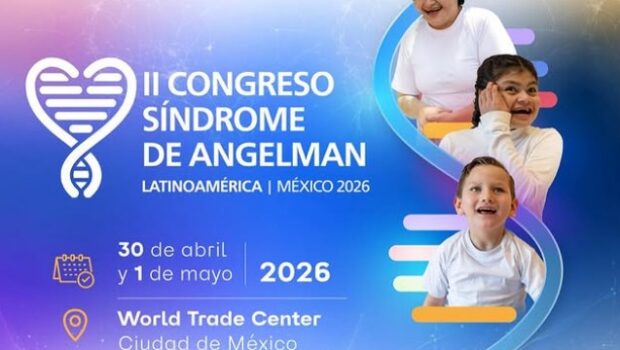
- 2026: The upcoming 2nd Latin American Congress represents the next stage of this evolution, focusing on scaling these interventions to reach underserved regions.
Economic and Social Implications of Inclusive Communication
The societal implications of ensuring communication access for individuals with Angelman Syndrome are far-reaching. When an individual is provided with the means to express their preferences, needs, and opinions, the quality of life increases significantly, and the reliance on reactive, behavioral interventions often decreases. From an economic perspective, early and consistent investment in AAC leads to better long-term outcomes, including higher levels of independence in educational and social settings, which reduces the long-term burden on social welfare and health systems.
However, the disparity in access remains a concern. In many parts of Latin America, high-tech AAC devices remain prohibitively expensive, and specialized speech-language pathologists with expertise in complex genetic disorders are not always available. This creates a "communication divide." The 2nd Latin American Angelman Syndrome Congress aims to address this by fostering a network of knowledge exchange, ensuring that practitioners in various regions can share low-cost, effective strategies for AAC implementation.
The 2nd Latin American Angelman Syndrome Congress: A Hub for Progress
The selection of Mexico City for the 2026 Congress is strategic, placing the event at the heart of one of Latin America’s most active hubs for medical research and disability advocacy. The event, slated for April 30 and May 1, 2026, is designed to be more than a conference; it is intended as an incubator for policy development and professional training.

According to organizers, the event will feature:
- Multidisciplinary workshops: Training for therapists on the latest eye-gaze and touch-screen software.
- Family-centric panels: Platforms for caregivers to share real-world strategies for integrating AAC into daily routines.
- Research symposiums: Presentations on the latest advancements in gene therapy and neurodevelopmental interventions.
The official portal, congresoangelman.com, serves as the primary repository for these efforts. By centralizing registration and providing access to academic resources, the platform acts as a digital bridge, connecting families who may otherwise feel isolated in their caregiving journey.
Institutional and Community Response
Professional organizations, including those focused on speech-language pathology and neurology, have increasingly endorsed the stance that communication is a fundamental human right. In the context of Angelman Syndrome, this institutional support is vital. Experts argue that when the environment is "communicatively accessible"—meaning the people around the individual are prepared to listen, wait, and support—the individual’s potential for cognitive and social growth is significantly unlocked.
Advocates often stress that the goal is not to "fix" the person, but to change the environment to meet them where they are. This requires a cultural shift in how society views neurodiversity. By celebrating the unique communication styles of individuals with AS—their joy, their energy, and their specific ways of connecting—the community is helping to dismantle the stigma associated with non-verbal communication.
Future Outlook and Strategic Goals
Looking ahead, the focus of the Angelman community remains on long-term sustainability. The 2026 Congress is expected to produce a "Declaration of Communication Rights" for individuals with rare genetic disorders in Latin America, which will be proposed to health ministries as a framework for policy change.
The success of these initiatives relies on the continued cooperation of three pillars:
- Families: Who provide the day-to-day advocacy and implementation.
- Professionals: Who provide the technical expertise and clinical support.
- Researchers: Who push the boundaries of what is known about the condition and its potential treatments.
As the community honors Angelman Syndrome Awareness Month throughout February, the message remains clear: the potential for growth is immense, but it is only realized through collective action. By providing the tools for communication, society does not just offer a device or a symbol; it offers a voice to those who have always had something to say, but lacked the platform to be heard. The upcoming Congress in Mexico City stands as a testament to this ongoing commitment, promising to move the needle toward a more inclusive, communicative, and empowered future for all individuals with Angelman Syndrome.