Understanding Infant Hearing Loss: Early Signs, Causes, and Advanced Treatment Options
Infant hearing loss signifies a baby's inability to perceive sounds as expected, affecting one or both ears from birth or early infancy. Common indicators…


The four stages of Meniere's disease offer a framework for understanding how this chronic inner ear condition can affect hearing and balance over time. Characterized by recurring vertigo…
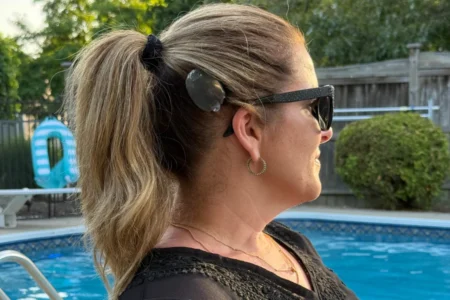
For individuals living with hearing loss, particularly those who rely on cochlear implants or advanced hearing aids, the allure of water – whether it be a serene lake,…
Diplacusis, commonly referred to as "double hearing," is a complex auditory phenomenon where a single sound is perceived as two distinct sounds, differing in pitch, timing, or exhibiting…
Retrocochlear hearing loss affects structures beyond the cochlea, mainly the auditory nerve and proximal brainstem, but does not include higher central auditory pathways. In simple terms, sound may…
Hearing implants, often referred to as surgical hearing implants due to the necessary surgical procedure, are advanced medical devices designed to restore or improve hearing for individuals who…
MED-EL, a leading innovator in hearing implant technology, has launched a multi-faceted support system designed to empower individuals throughout their hearing journey. This integrated ecosystem offers distinct platforms…
The distinction between conductive and sensorineural hearing loss is fundamental to understanding auditory health, impacting diagnosis, treatment, and ultimately, quality of life. Conductive hearing loss arises from issues…