
A Comparative Overview: Conductive vs. Sensorineural Hearing Loss
To elucidate the key differences, a direct comparison highlights the distinct characteristics of each type of hearing loss:
| Feature | Conductive Hearing Loss | Sensorineural Hearing Loss |
|---|---|---|
| Location of Problem | Outer or Middle Ear | Inner Ear or Auditory Nerve |
| Nature of Issue | Mechanical blockage or inefficiency in sound transmission | Damage to hair cells or auditory nerve, impacting signal transduction and transmission |
| Common Causes | Earwax impaction, ear infections, fluid buildup (otitis media), perforated eardrum, foreign objects | Aging (presbycusis), prolonged exposure to loud noise, genetic predispositions, certain illnesses (e.g., meningitis), ototoxic medications |
| Auditory Perception | Sounds may seem muffled, quieter, or like the ears are plugged | Speech may be quieter, clarity can be reduced, and specific frequencies may be difficult to perceive. |
| Duration | Often temporary, depending on the underlying cause | Typically permanent |
| Primary Treatments | Medical interventions, minor surgical procedures, bone conduction devices | Hearing aids, cochlear implants, auditory brainstem implants |
In essence, conductive hearing loss is a problem of sound transmission, whereas sensorineural hearing loss involves a disruption in sound transduction (the conversion of sound vibrations into electrical neural signals) and the subsequent neural signal transmission to the brain. It is also important to note that mixed hearing loss, a combination of both conductive and sensorineural components, is not uncommon, particularly among older adults or individuals with chronic ear conditions. Addressing mixed hearing loss requires a multifaceted approach that targets both the mechanical and neural aspects of auditory impairment.

Delving Deeper: Conductive Hearing Loss
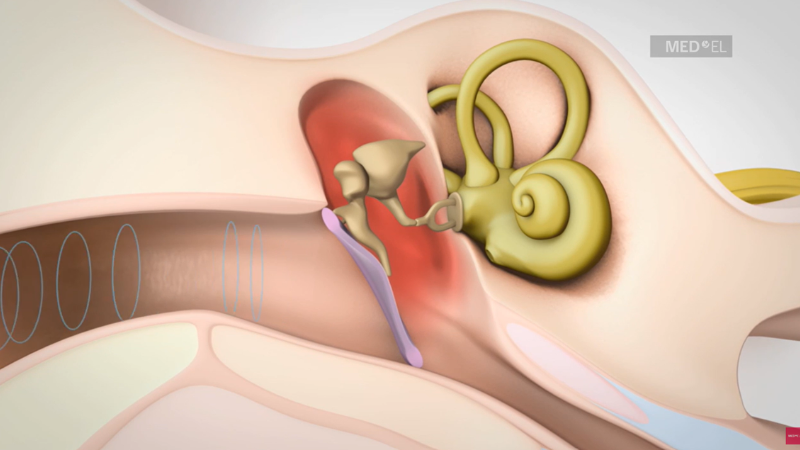
Conductive hearing loss occurs when there is an obstruction or dysfunction in the outer ear canal, the eardrum, or the middle ear bones (ossicles), preventing sound waves from effectively reaching the cochlea in the inner ear. This can be likened to a blockage in a pipe, preventing water from flowing freely.
Common Causes and Manifestations:
- Earwax Buildup: Excessive earwax can create a physical barrier, significantly dampening sound. This is a readily treatable cause.
- Middle Ear Infections (Otitis Media): Fluid accumulation behind the eardrum, often a consequence of colds or allergies, can impede the vibration of the ossicles. This is particularly prevalent in children.
- Perforated Eardrum: A tear or hole in the eardrum can reduce its ability to vibrate and transmit sound. Causes include trauma, loud noises, or chronic infections.
- Otosclerosis: A condition where abnormal bone growth in the middle ear restricts the movement of the stapes bone, a common cause of conductive hearing loss in adults.
- Cholesteatoma: A non-cancerous skin growth in the middle ear that can damage delicate structures.
Individuals experiencing conductive hearing loss often describe their hearing as muffled or “underwater.” Sounds may seem quieter, and distinguishing speech in noisy environments can become challenging, although the clarity of sounds that are heard may remain relatively intact compared to sensorineural loss.
Duration and Reversibility:

The temporary nature of many causes of conductive hearing loss offers a hopeful outlook. For instance, earwax removal, treatment of infections with antibiotics, or surgical repair of a perforated eardrum can often restore hearing to its previous level. However, conditions like otosclerosis or structural damage from chronic infections may require more persistent management or surgical intervention.
Unpacking Sensorineural Hearing Loss
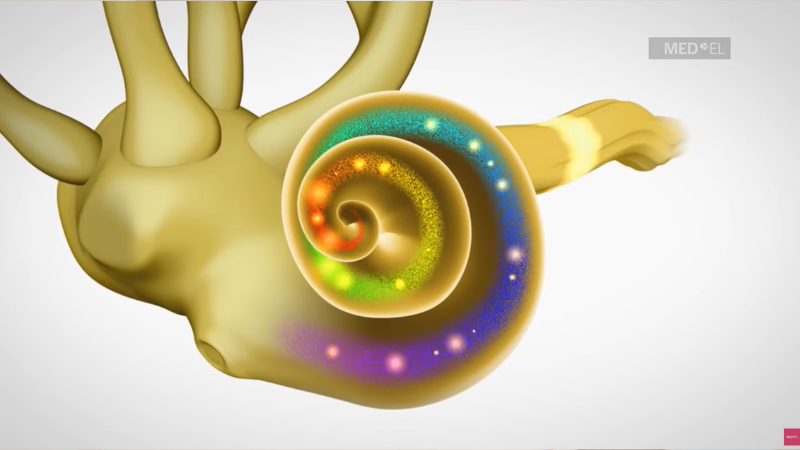
Sensorineural hearing loss (SNHL) represents the most common form of permanent hearing impairment, affecting the inner ear, specifically the cochlea, or the auditory nerve pathways leading to the brain. It is characterized by damage to the delicate sensory cells (hair cells) within the cochlea or the nerve fibers that transmit auditory information.
Key Contributors to SNHL:
- Presbycusis (Age-Related Hearing Loss): The gradual deterioration of hearing structures due to aging is a significant factor, affecting millions worldwide. Studies indicate that by age 65, about one-third of adults have some degree of hearing loss, and this proportion increases significantly with age.
- Noise-Induced Hearing Loss (NIHL): Prolonged exposure to loud noises, whether from occupational settings (e.g., construction, manufacturing) or recreational activities (e.g., concerts, shooting ranges), can permanently damage hair cells. The World Health Organization (WHO) estimates that over 1 billion young people are at risk of hearing loss due to unsafe listening practices.
- Genetics: Inherited predispositions can make individuals more susceptible to SNHL, sometimes manifesting at birth or developing later in life.
- Medical Conditions: Certain illnesses, such as Meniere’s disease, autoimmune disorders, and viral infections, can impact the inner ear or auditory nerve.
- Ototoxic Medications: A range of medications, including certain antibiotics (e.g., aminoglycosides), chemotherapy drugs, and high doses of aspirin, can have a detrimental effect on hearing.
Perceptual Characteristics:
Unlike the muffling associated with conductive hearing loss, SNHL often results in a loss of both loudness and clarity. Individuals may struggle to understand speech, particularly in the presence of background noise, and may experience difficulty discerning high-frequency sounds. This can lead to a perception that speech is "garbled" or that certain consonants are missing. Tinnitus, or ringing in the ears, is also a common accompanying symptom.
Permanence and Management:
The damage to hair cells and auditory nerve fibers in SNHL is typically irreversible. Consequently, the focus of management is on amplifying sounds and improving the brain’s ability to interpret them.
The Interplay: Mixed Hearing Loss
Mixed hearing loss is a condition where an individual experiences both conductive and sensorineural components simultaneously. This can occur when, for example, someone with age-related hearing loss develops an ear infection or has a buildup of earwax.
Implications for Treatment:
The presence of mixed hearing loss necessitates a comprehensive diagnostic approach to identify and address each component. Treatment strategies must be tailored to manage both the mechanical obstruction or inefficiency and the underlying neural impairment. For instance, a patient might require earwax removal to address the conductive element, followed by the fitting of a hearing aid or cochlear implant to manage the sensorineural component.
Diagnosis: Unraveling the Type of Hearing Loss
While individuals may recognize changes in their hearing, self-diagnosis of the specific type of hearing loss is unreliable. A professional audiological evaluation is essential.
Diagnostic Tools and Procedures:
- Audiometry: This is the cornerstone of hearing assessment. Pure-tone audiometry measures the softest sounds a person can hear at different frequencies, helping to determine the degree and type of hearing loss.
- Tympanometry: This test assesses the function of the middle ear and eardrum, helping to identify conductive issues like fluid buildup or eardrum perforations.
- Otoacoustic Emissions (OAEs): These tests measure the "echoes" produced by the cochlea in response to sound, indicating the health of the outer hair cells.
- Auditory Brainstem Response (ABR): This test measures the electrical activity of the auditory nerve and brainstem in response to sound, useful for identifying nerve-related issues.
- Imaging Studies: In some cases, MRI or CT scans may be used to visualize the middle or inner ear structures and identify potential causes of hearing loss.
An initial online hearing test can serve as a valuable preliminary step, prompting individuals to seek a professional evaluation if potential issues are detected.
Treatment Pathways and Future Directions
The therapeutic landscape for hearing loss is continuously evolving, offering a range of options tailored to the specific type and severity of the condition.
Addressing Conductive Hearing Loss:
Treatment often focuses on resolving the underlying cause. This may involve:

- Medical Interventions: Antibiotics for infections, or ear drops for wax removal.
- Surgical Procedures: Repair of a perforated eardrum (tympanoplasty), stapes surgery for otosclerosis, or procedures to clear middle ear blockages.
- Assistive Devices: For persistent conductive loss or when surgery is not an option, bone conduction devices can bypass the outer and middle ear to stimulate the inner ear directly.
Managing Sensorineural Hearing Loss:
While SNHL is typically permanent, significant advancements have been made in managing its impact:
- Hearing Aids: These electronic devices amplify sound, making it easier to hear. Modern hearing aids are highly sophisticated, offering features like noise reduction and directional microphones.
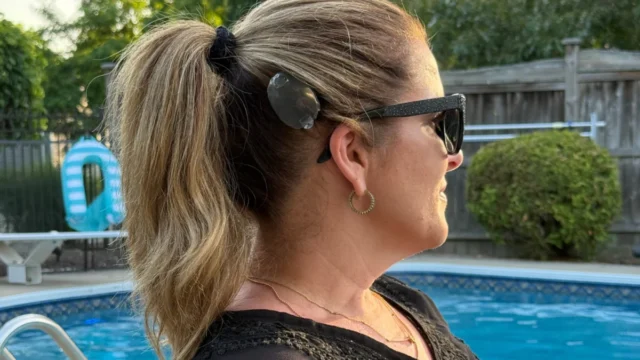
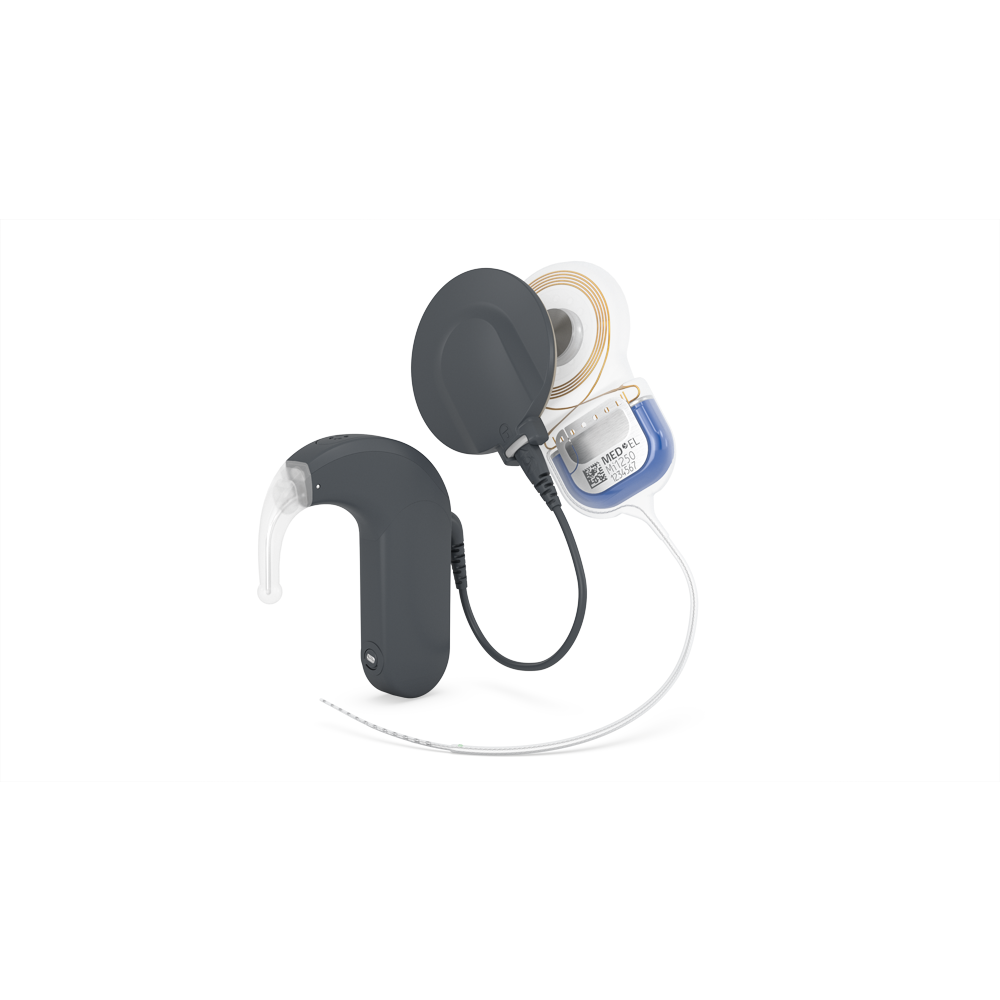
- Cochlear Implants: For individuals with severe to profound SNHL who receive little benefit from hearing aids, cochlear implants are a revolutionary option. These surgically implanted devices bypass damaged hair cells and directly stimulate the auditory nerve. MED-EL, a pioneer in this field, has been instrumental in developing advanced cochlear implant technologies.
- Auditory Brainstem Implants (ABIs): In rare cases where the auditory nerve itself is damaged or absent, ABIs can be implanted to directly stimulate the brainstem.
- Rehabilitation and Therapy: Audiological rehabilitation programs, including speech therapy and auditory training, can help individuals maximize the benefits of their hearing devices and improve communication skills.
The Importance of Early Intervention
The impact of untreated hearing loss extends beyond audibility, affecting social engagement, cognitive function, and overall well-being. Studies have linked untreated hearing loss to an increased risk of cognitive decline and dementia. Therefore, prompt diagnosis and intervention are paramount. Any sudden changes in hearing should be evaluated by a medical professional without delay to ensure timely and effective treatment.
For individuals experiencing hearing difficulties, a professional audiological evaluation is the definitive first step. Understanding the type of hearing loss is crucial for selecting the most appropriate treatment strategy, paving the way for improved communication and a better quality of life. The MED-EL team offers resources and support for those seeking to understand their hearing health and explore available solutions.