
The Legacy of a 1988 Standard
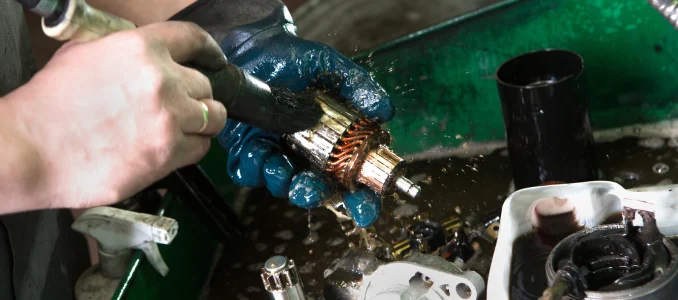
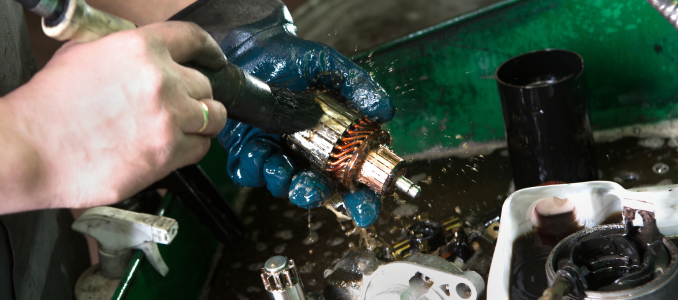
The current California limit of 25 ppm was established in 1988, a period when the scientific understanding of TCE’s carcinogenic potential was significantly less developed than it is today. Trichloroethylene is a clear, colorless liquid commonly used as a degreaser for metal parts and a chemical intermediate in the production of refrigerants. Over the past three decades, the scientific consensus has shifted dramatically. The International Agency for Research on Cancer (IARC) now classifies TCE as a Group 1 carcinogen, meaning it is definitively linked to kidney cancer, liver cancer, and lymphomas in humans.
The state’s current standard was adopted during a time when regulatory focus was primarily on acute inhalation hazards rather than the long-term, chronic health outcomes associated with low-level, prolonged exposure. Because the 1988 standard does not account for modern cancer risk models, regulators argue that it is fundamentally obsolete. The board’s recent proposal relies heavily on the U.S. Environmental Protection Agency’s (EPA) 2011 risk assessment, which provided a comprehensive look at the compound’s toxicity. By updating the PEL, California is attempting to bridge the gap between mid-century industrial policy and 21st-century medical evidence.

Regulatory Mechanics and Proposed Changes
Under the proposed rules, the shift to 0.24 ppm (1.3 mg/m3) is not merely a reduction in the allowable average. The board also plans to eliminate the existing short-term exposure limit (STEL) of 100 ppm and a ceiling limit of 300 ppm. From a technical standpoint, the board contends that these short-term guardrails are rendered redundant by the new 8-hour time-weighted average. If an environment is strictly controlled to maintain an average of 0.24 ppm, it is statistically and operationally impossible for a worker to be exposed to levels that would reach the previous short-term thresholds.
This simplification of the regulation is intended to provide clearer compliance benchmarks for employers. By removing the ceiling limits, the board hopes to streamline enforcement, focusing all monitoring efforts on ensuring that airborne concentrations of TCE remain consistently low throughout the entire duration of a shift.

Economic and Workforce Impact
The scope of this regulation affects a specialized but critical segment of the California economy. Data from the California Environmental Reporting System (CERS) as of December 2024 indicates that 367 businesses currently handle or use TCE in their daily operations. These facilities are estimated to employ roughly 3,582 workers who face potential exposure.
The economic analysis conducted by the board projects that the societal benefits of this change will be substantial. By preventing an estimated 376 cancer cases over a 10-year period, the state anticipates a reduction of approximately $68 million in direct medical costs. For the businesses involved, the cost of compliance is projected to be approximately $19,500 per entity over the same 10-year timeframe. This investment would likely go toward improved ventilation systems, the implementation of closed-loop cleaning technologies, or the transition to safer, less toxic solvent alternatives.

While the $19,500 estimate is an average, industry advocates have noted that the financial burden will not be distributed evenly. Small to mid-sized repair shops or specialized manufacturing facilities may face a steeper transition curve compared to larger, more capitalized corporations. The public comment period serves as a critical window for these stakeholders to present data regarding their specific operational challenges.
Chronology of Regulatory Action
The path to this proposed rule change reflects a growing national trend toward stricter oversight of chlorinated solvents.

- 1988: California adopts the current PEL of 25 ppm for TCE.
- 2011: The U.S. EPA releases a comprehensive risk assessment, classifying TCE as carcinogenic to humans.
- 2020s: Several states, including California, begin internal reviews of state-specific PELs to address discrepancies between legacy rules and federal health data.
- November 2026: The Occupational Safety and Health Standards Board officially proposes the reduction to 0.24 ppm.
- December 17, 2026: Deadline for written comments and the date of the public hearing in Turlock, California.
Public Response and Industry Perspective
The public hearing, scheduled at California State University, Stanislaus, is expected to draw a diverse group of stakeholders, including occupational health researchers, labor union representatives, and business owners. Labor groups have long campaigned for the reduction, citing the long-term, often irreversible health impacts that chemical exposure has on frontline workers. Conversely, some industry associations have expressed concerns regarding the technical feasibility of achieving such a low threshold in older facilities where structural ventilation upgrades may be costly or physically constrained.
The board has emphasized that it will follow standard administrative procedures to ensure that all voices are heard. Those who pre-register for the public hearing will be granted priority status to testify, ensuring that the regulatory process remains transparent. The board’s Initial Statement of Reasons, available on its website, provides a deep dive into the epidemiological data and cost-benefit analysis that informs their decision-making.

Broader Implications for Industrial Safety
The move to lower the TCE exposure limit is part of a broader shift in industrial hygiene. As the scientific community develops more sophisticated methods for identifying the long-term risks of volatile organic compounds (VOCs), regulatory bodies are finding that many of the standards established in the late 20th century are no longer sufficient to ensure a safe work environment.
If adopted, the new rule will likely serve as a benchmark for other states currently evaluating their own chemical exposure standards. Furthermore, it may accelerate the trend toward "green chemistry," where industries move away from toxic solvents entirely in favor of water-based or non-toxic biodegradable alternatives. While the immediate goal is to lower cancer risk, the long-term impact may be a fundamental shift in how California manufacturers perceive chemical safety, moving away from "managing" exposure to "eliminating" the risk at the source.

As the December 17 deadline approaches, the discourse will likely center on the balance between worker safety and the economic sustainability of the businesses involved. The board’s proposal makes it clear that the state is prioritizing the health of the 3,500+ workers exposed to TCE, signaling that for California regulators, the era of accepting high-risk exposure as a cost of doing business is coming to a close. The outcome of this proposal will ultimately define the new standard of care for workers in industries ranging from aerospace and automotive repair to dry cleaning and chemical manufacturing.