


Bridging the Workforce Gap
The demand for qualified safety professionals has surged over the last decade as corporations face increased regulatory pressure, a focus on Environmental, Social, and Governance (ESG) criteria, and a heightened awareness of workplace mental and physical health. According to industry labor reports, the aging workforce in industrial and construction safety sectors is leading to a significant number of retirements, creating a vacuum that requires a steady influx of new talent.
By targeting veterans, Boeing and the NSC are tapping into a demographic that possesses inherent experience in risk assessment, leadership under pressure, and operational discipline. The ASC curriculum is designed to bridge the gap between military experience and civilian safety standards. The program covers 12 days of intensive training, focusing on hazard prevention, safety management systems, and the implementation of proactive safety cultures—a skill set that aligns closely with the rigorous operational protocols maintained by the U.S. Armed Forces.

Chronology and Program Evolution
The collaboration between Boeing and the NSC is not a new initiative but rather an evolution of a long-standing partnership. The scholarship program was initially conceived to solve two distinct problems: the difficulty veterans often face when translating military logistics and safety experience to civilian resumes, and the cost-prohibitive nature of top-tier professional safety certifications.
- Initial Phase (2020–2022): The pilot stages of the scholarship program focused on proving the concept, ensuring that the curriculum was accessible to veterans regardless of their branch of service or previous rank.
- Expansion Phase (2023–2025): The success of the initial cohorts led to the standardization of the program, with the NSC refining its pedagogical approach to include more direct career development support.
- Strategic Growth Phase (2026–2029): The new $2.3 million commitment marks the most significant scaling effort to date. By raising the annual cap to 75 scholarships, the partners are signaling a long-term intent to stabilize the EHS workforce pipeline for the remainder of the decade.
Curriculum and Professional Development
The scholarship is comprehensive, covering far more than just tuition. Recipients are provided with a complete 12-day Advanced Safety Certificate curriculum. This certification is recognized nationally as a gold-standard credential for professionals looking to move into roles such as Safety Manager, Compliance Officer, or Risk Mitigation Specialist.
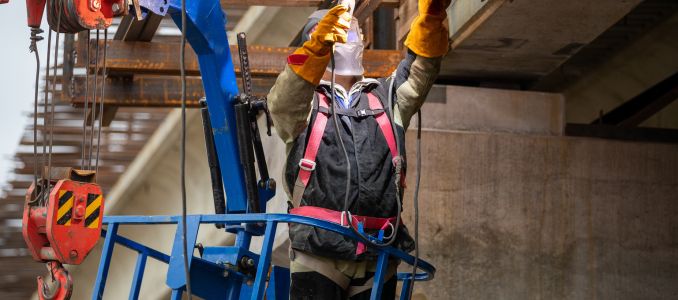
Beyond the classroom, the initiative includes a vital networking component: the inclusion of travel and registration fees for the annual NSC Safety Congress & Expo. This event is widely considered the largest and most influential gathering of safety professionals in the world. For a veteran transitioning into the civilian workforce, this access is transformative. It allows participants to interface with industry recruiters, engage in workshops on emerging safety technologies—such as AI-driven hazard detection—and gain mentorship from established industry leaders.
The Value of Military-to-Civilian Translation
"Veterans have dedicated their lives to protecting others—and a commitment to protecting others is exactly what fuels the safety profession," said Lorraine Martin, NSC president and CEO. This sentiment underscores the philosophy that the core values of military service—duty, vigilance, and team-oriented responsibility—are the foundational requirements of an effective safety officer.

Amy May, Boeing vice president of environment, health and safety, echoed these thoughts, noting that the skills veterans develop in service translate directly into safer workplaces. The corporate perspective is clear: hiring veterans is not merely a philanthropic gesture, but a strategic business decision. Veterans are trained to operate in high-consequence environments where a failure to follow safety protocols can lead to catastrophic outcomes. This mindset is highly transferable to industries like manufacturing, aerospace, and energy, where the cost of human error is high.
Analysis: Economic and Social Implications
The impact of this program extends beyond individual careers. By facilitating this transition, the Boeing-NSC partnership is effectively bolstering the overall economic resilience of the industrial sector.

- Lowering Barriers to Entry: Many professional certifications in the private sector carry costs that can reach several thousand dollars. By removing these financial barriers, the program democratizes access to professional mobility for service members, many of whom are transitioning from enlisted ranks where pay scales may not have allowed for significant savings.
- Standardizing Safety Culture: As more veterans enter the EHS workforce, they bring with them a culture of "safety first." When these individuals rise into leadership roles, they tend to foster environments where safety is not viewed as a bureaucratic hurdle, but as a core component of operational success.
- Retention and Sustainability: One of the most significant challenges in the safety profession is burnout. Veterans, who are accustomed to high-stress, high-stakes environments, often show higher levels of grit and long-term retention in these roles, providing companies with a more stable and experienced workforce.
Future Outlook and Application Process
As of the current cycle, the application window remains open through May 4. The selection process is competitive, requiring applicants to demonstrate not only a desire to enter the safety profession but also a clear vision for how their military experience will aid in that transition.
Looking forward, the success of the 2026–2029 initiative will likely serve as a benchmark for other public-private partnerships in the EHS space. If the program continues to see high placement rates for its graduates, it is probable that other large industrial conglomerates will look to replicate this model, further solidifying the link between the U.S. military veteran pool and the essential field of professional safety.

The commitment of $2.3 million ensures that for the next four years, hundreds of veterans will receive the training necessary to secure meaningful, well-compensated, and high-impact careers. It stands as a testament to the idea that the best way to honor those who have served is to empower them with the skills required to build a safer future for the civilian workforce. Interested service members are encouraged to visit the official National Safety Council website to review the specific eligibility criteria and submit their applications before the May deadline. As the industrial landscape continues to evolve toward more complex and automated systems, the role of the safety professional will only grow in importance, making this pipeline of veteran talent a critical asset for the American economy.