
The Clinical Landscape of Vestibular Migraine
Vestibular migraine (VM) remains one of the most challenging diagnoses in modern neurology. Unlike classic migraine, which is typically defined by localized, throbbing head pain, VM often manifests as persistent vertigo, lightheadedness, and spatial disorientation. According to epidemiological data, vestibular symptoms affect approximately 1% of the general population and up to 10% of those who visit dizziness clinics. Despite its prevalence, the condition is frequently misdiagnosed or under-treated, as standard imaging—such as MRIs and CT scans—often returns normal results, leaving patients in a state of clinical limbo.
For years, the primary approach to VM has involved "trigger avoidance" and the use of prophylactic medications like beta-blockers or anticonvulsants. However, research led by specialists such as Dr. Kyle Bills, a neurologist and headache specialist, suggests that these methods may only address the symptoms rather than the underlying physiological instability. The emerging research focuses on "brain energy metabolism"—the way the brain processes fuel—and how fluctuations in glucose can trigger the neural cascades that result in vestibular dysfunction.
The Eighteen-Year Journey: A Chronology of Chronic Illness
The case of Rachel Weaver, an accomplished author and educator, serves as a poignant longitudinal study of the challenges inherent in managing vestibular migraine. Weaver’s experience provides a timeline that mirrors the frustrations of thousands of patients worldwide.
In approximately 2006, Weaver experienced a sudden onset of constant dizziness that would persist for 18 years. During this period, she navigated the complexities of motherhood, including the birth of twin boys, and a demanding career as a novelist and Forest Service worker in Alaska. Her clinical history involved an exhaustive loop of specialist consultations, including neurologists, otolaryngologists, and physical therapists. While she was eventually diagnosed with vestibular migraine, the prescribed treatments—ranging from the "Heal Your Headache" elimination diet to various pharmaceutical regimens—provided only marginal relief.
Weaver’s experience highlights a common phenomenon in VM: the "partial response." While some medications "took the edge off," she remained in a state of constant instability. This period of her life, detailed in her memoir Dizzy, published in early 2026, illustrates the profound psychological and social impact of living with an invisible disability. It was not until she engaged with Dr. Bills’ research on glucose dynamics that a significant breakthrough occurred, shifting the focus from her ears to her metabolism.
Scientific Analysis: Glucose Dynamics and Glycemic Phenotyping
The core of the recent research published by Dr. Kyle Bills and his colleagues in Frontiers in Neurology centers on the concept of "glycemic phenotyping." This approach moves away from the one-size-fits-all diagnostic model and instead categorizes migraineurs based on their biological response to glucose.
Dr. Bills argues that the brain, which consumes roughly 20% of the body’s total energy, is uniquely sensitive to fluctuations in fuel supply. In many VM patients, standard metabolic tests such as fasting blood sugar or Hemoglobin A1C (which measures a three-month average) appear perfectly normal. However, these tests fail to capture the "volatility" of glucose levels throughout the day.
The Role of Continuous Glucose Monitoring (CGM)
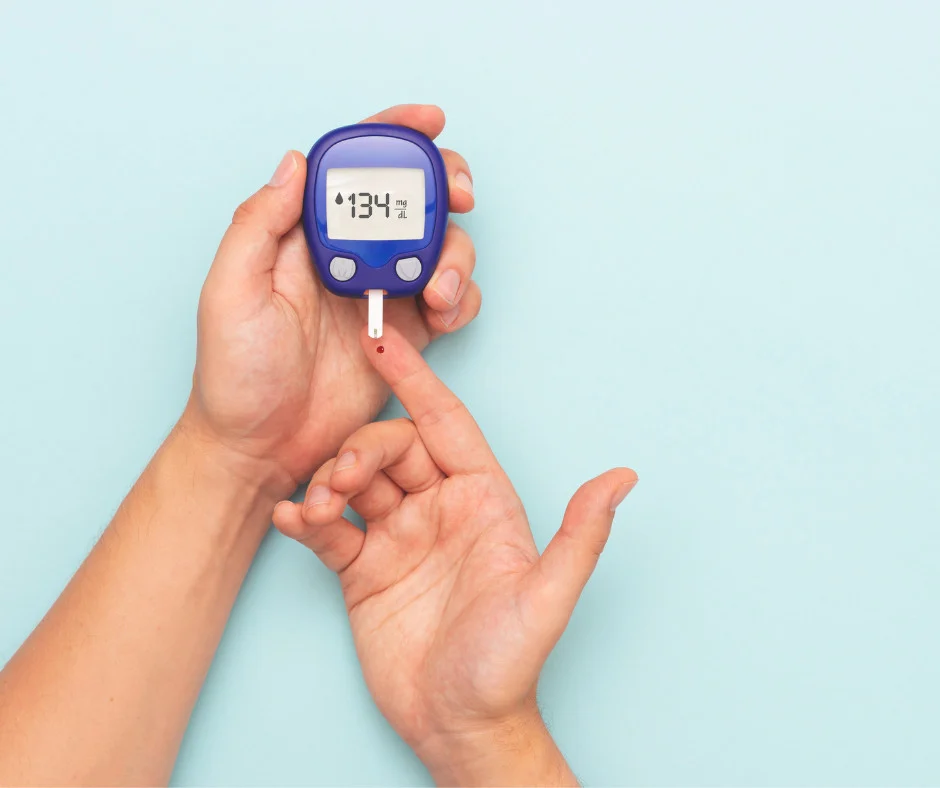
In clinical settings, Dr. Bills has utilized Continuous Glucose Monitoring (CGM) to track real-time fluctuations in patients. This data has revealed several distinct phenotypes:
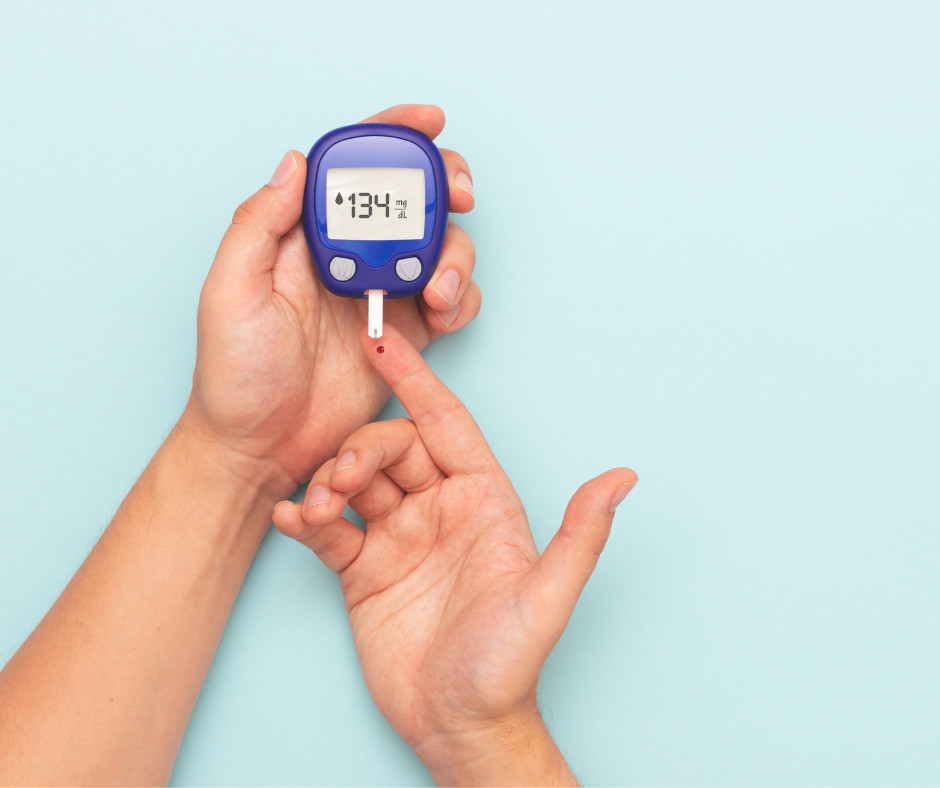
- The Reactive Phenotype: Patients who experience a sharp rise in blood sugar after eating, followed by a rapid "crash." This sudden drop in fuel can trigger cortical spreading depression—a wave of electrophysiological hyperactivity followed by depression in the brain—which is a known precursor to migraine aura and vestibular symptoms.
- The Insulin-Resistant Phenotype: Patients whose bodies require excessive amounts of insulin to manage glucose, leading to systemic inflammation and neural hypersensitivity.
- The Metabolic Stability Phenotype: Patients whose migraines are unrelated to glucose and may be driven by hormonal shifts, weather changes, or structural issues.
By identifying these phenotypes, clinicians can move toward personalized medicine. For the reactive and insulin-resistant groups, the research suggests that stabilizing blood sugar is not just a dietary recommendation but a primary neurological intervention.
Therapeutic Interventions: The Ketogenic Shift
For patients identified with a metabolic phenotype, the transition to a therapeutic ketogenic diet has shown remarkable results in clinical observations. Unlike standard weight-loss diets, a therapeutic ketogenic protocol for migraine is designed to provide the brain with a steady, alternative fuel source: ketones.
Ketones are more energy-efficient than glucose and produce fewer reactive oxygen species (free radicals) during metabolism. For Rachel Weaver, the implementation of a strict, monitored ketogenic protocol resulted in a dramatic shift in her baseline stability within the first week. While she experienced the "keto flu"—a common transitional phase where the body adapts to burning fat—the subsequent clearing of "brain fog" and the cessation of daily vertigo marked a turning point after nearly two decades of illness.
Supporting data from recent studies indicates that ketosis may inhibit the firing of certain neurons involved in the migraine pathway and reduce neuro-inflammation. For Weaver, this meant that even when external triggers were present—such as travel on bumpy roads or high-stress environments—her nervous system remained resilient rather than cascading into a full-blown attack.
Official Responses and Clinical Implications
The medical community is increasingly recognizing the need for an integrated approach that combines neurology with nutritional science. Dr. Bills emphasizes that the success of these treatments depends heavily on patient-doctor collaboration and the use of "Narrative Medicine"—a field in which Weaver holds a certification from Columbia University. This practice involves clinicians listening deeply to the patient’s "story" to identify patterns that data alone might miss.
Professional reactions to this metabolic approach have been cautiously optimistic. While neurologists acknowledge the success of dietary interventions, they also warn that such protocols must be medically supervised, especially for patients with underlying conditions like Type 1 diabetes or kidney issues. The consensus among researchers is that while glucose regulation may not be the answer for every migraineur, it represents a significant enough portion of the population to warrant routine metabolic screening in headache clinics.
Broader Impact and the Future of Migraine Management
The implications of the link between blood glucose and vestibular migraine extend far beyond dietary changes. This research challenges the traditional siloed approach to medicine, where "neurological" issues are treated separately from "metabolic" ones.
As we move toward 2026 and beyond, the integration of wearable technology—like CGMs and biofeedback devices—is expected to become a standard part of migraine management. This will allow patients to see the immediate impact of their lifestyle choices on their brain health, fostering a sense of agency that is often lost during years of chronic illness.
Furthermore, the work of patient-authors like Rachel Weaver is instrumental in reducing the stigma associated with vestibular disorders. By articulating the "emotional terrain" of chronic dizziness, Weaver provides a framework for others to seek help and demand more comprehensive testing. Her upcoming novel, The Last Run, and her memoir Dizzy are expected to further bridge the gap between clinical data and the human experience of illness.
In conclusion, the convergence of Dr. Kyle Bills’ metabolic research and the lived insights of patients like Rachel Weaver offers a new trajectory for the treatment of vestibular migraine. By shifting the focus to the brain’s energy requirements and glycemic stability, the medical community is unlocking new possibilities for recovery. For the thousands of individuals living in a world that refuses to hold still, this metabolic perspective provides more than just a treatment plan—it provides a pathway back to a steady, predictable life. Through continued research into glycemic phenotyping and the broader adoption of personalized metabolic protocols, the "I See You" philosophy of the ICU Podcast is becoming a reality, ensuring that the invisible struggles of vestibular patients are finally being recognized and addressed with scientific precision.