The Prevalence and Economic Burden of Vestibular Dysfunction
To understand the necessity of a broader patient journey perspective, one must first examine the scale of vestibular dysfunction. According to data from the National Institute on Deafness and Other Communication Disorders (NIDCD), approximately 35% of adults in the United States aged 40 years and older—roughly 69 million people—have experienced some form of vestibular dysfunction. These conditions, which include Benign Paroxysmal Positional Vertigo (BPPV), Meniere’s disease, vestibular migraine, and labyrinthitis, are not merely inconveniences; they are leading causes of falls in the elderly and significant contributors to workplace disability.
The economic implications are equally staggering. Research indicates that dizziness and vertigo account for nearly 4 million emergency department visits annually in the U.S. alone. Many of these patients undergo expensive, unnecessary neuroimaging such as CT scans and MRIs because frontline providers often struggle to differentiate between benign peripheral vestibular issues and life-threatening central nervous system events like strokes. When the diagnostic process is delayed, the cost to the healthcare system—and the physical toll on the patient—increases exponentially.
The Diagnostic Odyssey: A Chronology of Uncertainty
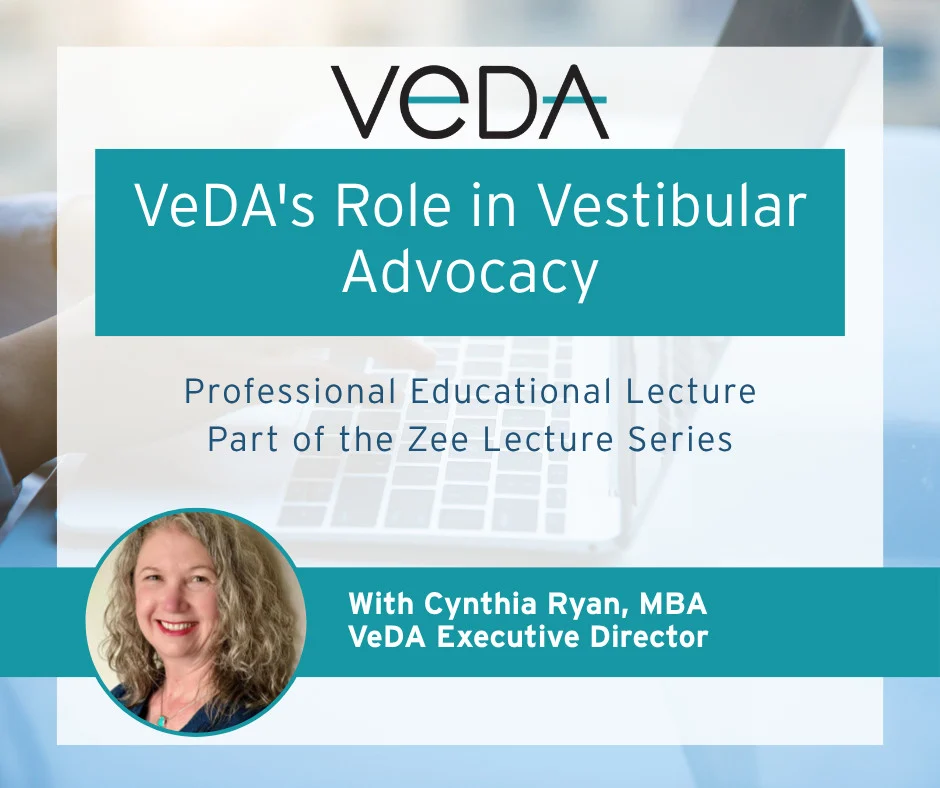
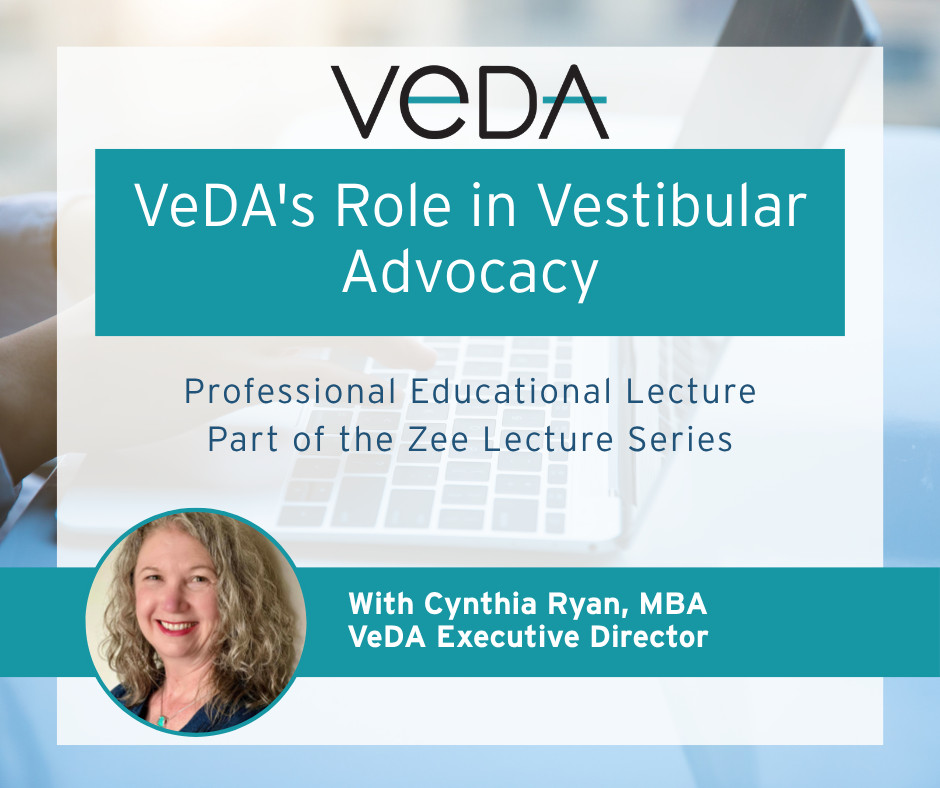
For the average patient, the journey toward recovery does not begin with a clear answer. Instead, it typically starts with a "diagnostic odyssey"—a period of months or even years characterized by confusion and medical gaslighting. Cynthia Ryan noted during her presentation that many patients visit three to five different doctors before receiving an accurate diagnosis.
- The Acute Phase: Symptoms often appear suddenly, leading to a state of panic. Patients frequently seek help at urgent care centers or emergency rooms, where they may be misdiagnosed with general anxiety or dehydration.
- The Specialist Search: Following the initial event, patients often cycle through primary care physicians, cardiologists, and general neurologists. Because vestibular symptoms are "invisible," patients are frequently told their test results are normal, leading to profound psychological distress.
- The Turning Point: The journey only stabilizes once the patient reaches a specialist—typically a neurotologist, otolaryngologist, or a physical therapist specializing in vestibular rehabilitation therapy (VRT).
- The Chronic Management Phase: Even after diagnosis, the patient must navigate the complexities of "the new normal." This involves lifestyle modifications, dietary changes (common in Meniere’s and migraine patients), and the long-term commitment to vestibular habituation exercises.
VeDA: From a Support Group to a Global Advocacy Hub
The Vestibular Disorders Association (VeDA) was founded in 1985 to fill the void left by the traditional medical model. Over the last four decades, it has evolved from a small grassroots organization into the global hub for the vestibular community. During the Zee Lecture Series, Ryan detailed how VeDA acts as a bridge between the scientific community and the patient population.
The organization’s mission is predicated on the belief that an informed patient is a more resilient patient. By providing peer-reviewed educational materials, VeDA translates complex vestibular science into accessible information. This empowerment is vital; studies in health literacy show that patients who understand the mechanics of their condition are significantly more likely to adhere to rehabilitation protocols and report higher levels of satisfaction with their care.
The Integration of Peer Support and Clinical Care
One of the most profound insights from the presentation was the role of community in healing. Medical professionals are trained to reduce symptoms, but they are rarely equipped to address the social isolation that accompanies vestibular illness. Symptoms such as "brain fog," visual vertigo (disorientation in crowded or highly patterned environments), and the constant fear of a falling episode often lead patients to withdraw from social life.
VeDA’s network of peer-led support groups, including specialized cohorts like the "Dizzy Moms Club" and the "Dizzy Together" program, provide a space for shared experience. Ryan emphasized that meeting others who have successfully navigated the same challenges provides a form of "social proof" that recovery is possible. For a patient who has spent months feeling misunderstood by friends and family, finding a community that validates their invisible symptoms is often the catalyst for improved mental health outcomes.
Data-Driven Advocacy: The Dizziness, Vertigo & Imbalance Patient Registry
A significant advancement in VeDA’s mission is the Dizziness, Vertigo & Imbalance Patient Registry. This initiative represents a shift toward "narrative medicine" and real-world evidence (RWE). While clinical trials focus on specific interventions, the registry collects longitudinal data directly from patients regarding their diagnostic timelines, the efficacy of various treatments, and the impact of the disorder on their quality of life.
This data is increasingly being used to inform clinical research and identify unmet needs. For example, registry data can highlight geographic "deserts" where patients lack access to specialized vestibular therapists, or it can reveal common comorbidities—such as anxiety and depression—that are frequently overlooked during standard ENT evaluations. By partnering with organizations like the American Neurotology Society (ANS) through research grants, VeDA ensures that the patient’s voice is integrated into the future of vestibular science.
Perspectives from the Frontlines: Patient Advocacy in Practice
The Zee Lecture Series presentation featured testimonials from prominent patient advocates Glenn Schweitzer and Jeannette Tousignant. Their accounts served as a stark reminder of the emotional stakes involved. Schweitzer, an author and advocate who has lived with Meniere’s disease, spoke to the necessity of "reframing" the patient experience. He noted that while doctors focus on the "cure," patients are often searching for "control."
Tousignant echoed these sentiments, highlighting the frustration of invisible symptoms. Their stories illustrated that the "success" of a medical intervention is often measured differently by the patient than by the clinician. A clinician may see a successful outcome in a stabilized caloric test, while the patient may only feel successful when they can once again walk through a grocery store without experiencing a panic attack or a "drop attack."
Future Implications for the Healthcare Industry
Looking forward, the presentation outlined several technological and systemic shifts that will redefine vestibular care. VeDA is currently exploring the implementation of AI-powered educational tools to provide 24/7 support for patients experiencing acute episodes. Furthermore, there is a push for expanded referral pathways and "triage" resources that can help general practitioners identify vestibular red flags more quickly, thereby shortening the diagnostic odyssey.
The introduction of narrative medicine—the practice of using patient stories to improve clinical understanding—is also on the horizon. By training healthcare professionals to listen more deeply to the lived experience of dizziness, the medical community can move toward a more compassionate, patient-centered model.
Conclusion: Advocacy as an Essential Component of Medicine
The core takeaway of Cynthia Ryan’s presentation is that advocacy and healthcare are not separate entities; they are two sides of the same coin. Healthcare professionals provide the medical expertise necessary to stabilize the vestibular system, while organizations like VeDA provide the resources, community, and data necessary for the patient to rebuild their life.
When clinicians refer their patients to advocacy organizations, they are not offloading their responsibilities; rather, they are extending the continuum of care. This collaborative approach ensures that patients are supported through every phase of their journey—from the first terrifying moment of vertigo to the long-term maintenance of their balance and well-being. As the vestibular community continues to grow, the integration of clinical excellence and robust patient advocacy remains the most viable path toward improving global outcomes for those living with these life-altering conditions.