The initial rollout of Auri has seen successful installations in key locations, including Christ Presbyterian Church in Edina, Minnesota; St. Gilbert Catholic Church in Grayslake, Illinois; and the Catholic Church in Unterbach, Switzerland. These early deployments serve as compelling demonstrations of Auri’s versatility, showcasing various integration strategies—from direct replacement of legacy FM systems to supplementing existing hearing loop infrastructures. This adaptability underscores the system’s potential to address the unique needs and architectural considerations of a wide array of religious facilities, from contemporary structures to historic edifices.
At its core, Auri harnesses Auracast broadcast audio, a groundbreaking Bluetooth LE Audio capability. This technology facilitates the transmission of high-quality audio directly to a broad spectrum of compatible personal listening devices, including modern hearing aids, cochlear implant sound processors, earbuds, and headphones. This direct-to-device connectivity significantly elevates the user experience, providing personalized audio without the need for specialized, often cumbersome, borrowed equipment. Crucially, for individuals who may not possess an Auracast-enabled personal device, the Auri system also offers dedicated receivers, ensuring universal access to the broadcast audio. This dual approach ensures that no congregant is left behind in the pursuit of enhanced audio clarity and participation.
The Evolution of Assistive Listening in Public Spaces
The quest for effective assistive listening solutions in public and private venues, including houses of worship, is not new. For decades, facilities have grappled with the challenge of ensuring that all attendees, particularly those with hearing loss, can fully engage with spoken word, music, and communal activities. Early assistive listening systems often relied on FM (Frequency Modulation) or infrared technologies. While these systems provided a degree of accessibility, they frequently came with limitations such as signal interference, limited range, the necessity for specialized receivers, and varying audio quality. Hearing loops, also known as induction loops, emerged as another popular solution, transmitting audio directly to telecoil-equipped hearing aids and cochlear implants. These systems offer a high-quality, discreet listening experience for compatible devices but require specific infrastructure installation and may not cater to all types of hearing devices or personal listening preferences.
The advent of Bluetooth LE Audio and Auracast marks a significant leap forward. Auracast, standardized by the Bluetooth Special Interest Group (SIG), enables one-to-many audio broadcasting, transforming public audio sharing. This technology is poised to revolutionize how individuals access audio in a multitude of public settings, from airports and gyms to conference centers and, critically, houses of worship. For the assistive listening industry, Auracast offers the promise of widespread compatibility, enhanced audio fidelity, and greater convenience, moving towards a future where personal devices are the primary interface for accessible audio. Auri’s early adoption of this technology positions it at the forefront of this transformative wave, offering a robust and future-proof solution.

Meeting Accessibility Mandates and Fostering Inclusivity
In the United States, the Americans with Disabilities Act (ADA) mandates that public accommodations provide effective communication for individuals with disabilities, including those with hearing impairments. While religious entities are often exempt from certain ADA titles, many houses of worship voluntarily adhere to or exceed these standards, recognizing the moral imperative to create welcoming and accessible environments for all members of their community. Providing assistive listening technology is a cornerstone of this commitment, ensuring that congregants can fully participate in worship services, sermons, and community events.
According to the World Health Organization, over 1.5 billion people worldwide experience some degree of hearing loss, with this number projected to rise significantly in the coming decades. In the U.S. alone, approximately 48 million people have hearing loss in one or both ears. For these individuals, clear audio access is not merely a convenience but a fundamental requirement for meaningful engagement. The deployment of Auri directly addresses this critical need, allowing houses of worship to demonstrate a tangible commitment to inclusivity. The system’s design, which includes dedicated receivers, signage, and neck loops, ensures compliance with ADA and other assistive listening requirements, providing a comprehensive solution for facilities striving for universal access.
A Deeper Dive into Auri’s Technical Prowess
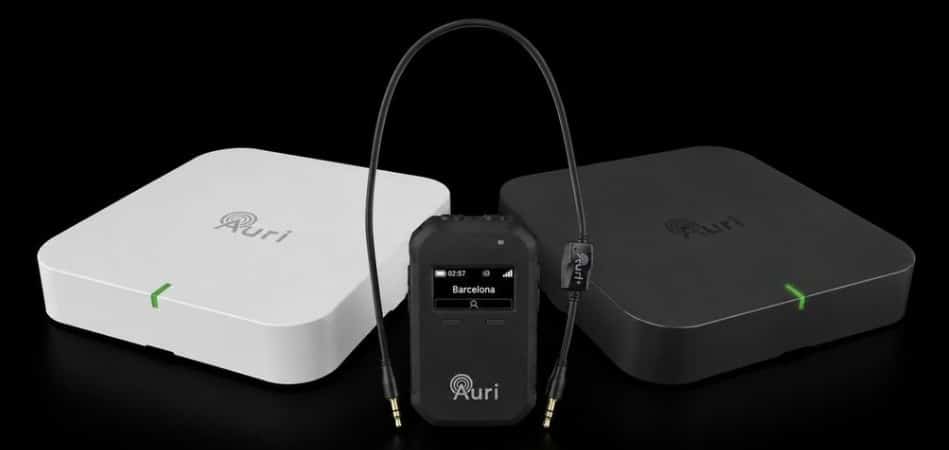
The Auri system is a comprehensive suite of technologies engineered for robust and flexible audio delivery. It comprises high-performance transmitters, user-friendly receivers, efficient docking stations for charging, neck loops for telecoil users, intuitive management software, and a range of accessories. The system’s two-channel transmitter connects seamlessly to a facility’s existing sound system, acting as the central hub for broadcasting audio. A single transmitter can broadcast to an unlimited number of compatible devices within its operational range, making it highly scalable for various venue sizes. For larger spaces or situations requiring multiple distinct audio feeds, additional transmitters can be installed, expanding coverage and increasing the number of available audio channels. This multi-channel capability opens doors for innovative applications beyond basic accessibility, such as simultaneous language interpretation for diverse congregations, audio description for visually impaired attendees, or supplementary audio feeds from screens or multimedia presentations.
A key design consideration for Auri was ease of installation and integration. The transmitters are designed for non-invasive mounting on walls or ceilings, a significant advantage, particularly for historic buildings where extensive structural modifications are often impractical or prohibited. This feature allows traditional architecture to meet modern accessibility standards without compromising historical integrity. For users with telecoil-equipped hearing aids or cochlear implant systems—a significant portion of the hearing aid user population—Auri Neck Loops offer a familiar and effective way to access the broadcast audio, routing the Auracast signal directly into their personal devices via the telecoil setting. This thoughtful integration of various access methods ensures broad compatibility and user choice.
Diverse Implementation Strategies: Case Studies in Action
The initial installations of Auri highlight its flexibility and the varying needs of different worship communities.
Replacing Legacy Systems: Christ Presbyterian Church, Edina, Minnesota
At Christ Presbyterian Church in Edina, Minnesota, Auri was deployed to replace an aging FM-based assistive listening system. The previous FM system, while functional, presented common challenges associated with older technologies, such as the need for congregants to borrow and return specialized equipment, potential for signal interference, and a less direct connection to their personal hearing devices. The transition to Auri, as detailed in a Bluetooth SIG case study, has been transformative. Congregants with Auracast-compatible personal devices can now connect directly to the church’s high-quality audio broadcast, eliminating the friction of managing additional hardware. This shift not only improves the listening experience but also fosters a greater sense of independence and normalcy for individuals who previously relied on borrowed equipment. Church officials noted an immediate positive response, emphasizing the ease of use and the clarity of the audio as significant improvements. This direct connection empowers congregants, making their participation more seamless and integrated into the overall worship experience.
Hybrid Approach: St. Gilbert Catholic Church, Grayslake, Illinois
St. Gilbert Catholic Church in Grayslake, Illinois, adopted a different yet equally impactful strategy by integrating Auri alongside its existing hearing loop system. This hybrid approach offers the best of both worlds, providing congregants with multiple assistive listening options. The existing hearing loop continues to serve individuals who prefer or exclusively rely on their telecoil-equipped hearing devices, offering a robust and familiar solution. The addition of Auri introduces a modern, Auracast-based alternative that caters to users with newer hearing aids, cochlear implants, or personal listening devices that are Auracast-enabled. This parallel system ensures maximum inclusivity, accommodating a broader spectrum of hearing technologies and personal preferences. A project manager for St. Gilbert Catholic Church, reflecting on the installation, commented, "Our goal is to ensure every person feels fully present and connected during our services. By offering both a hearing loop and the new Auri system, we are providing choices that meet the diverse needs of our community, reinforcing our commitment to universal accessibility." This strategy acknowledges the varied technological landscapes of congregants and ensures that investments in accessibility remain relevant for the long term.
Historic Preservation and Modern Access: The Catholic Church in Unterbach, Switzerland
The installation at the Catholic Church in Unterbach, Switzerland, underscores Auri’s suitability for challenging architectural environments. Many historic churches, particularly in Europe, feature intricate designs, thick stone walls, and protected interiors that make extensive wiring or structural modifications difficult, if not impossible. The Auri system was selected precisely because it could be integrated into the existing building structure with minimal disruption while providing comprehensive audio coverage throughout the seating area. This capability is a significant advantage for preserving cultural heritage while simultaneously modernizing facilities for accessibility. The ability to deploy advanced technology without compromising the aesthetic or structural integrity of historic sites opens up new possibilities for thousands of such venues globally. "Maintaining the sacred beauty of our historic church while ensuring every member of our congregation can hear clearly is paramount," stated a representative from the Unterbach church. "Auri allowed us to achieve modern accessibility without extensive, intrusive renovations, a truly invaluable benefit." This demonstrates Auri’s global appeal and its capacity to bridge the gap between tradition and innovation.
The Human Impact: Fostering Inclusivity and Community
Beyond the technical specifications and installation methodologies, the most profound impact of Auri’s deployment lies in its human dimension. As Stephen Robinson, Eastern U.S. Regional Sales Manager for Ampetronic | Listen Technologies, eloquently stated, "When houses of worship install assistive listening technology, they demonstrate to congregants that all are welcome and belong and they foster community by helping everyone feel included." This sentiment encapsulates the core mission of accessibility initiatives within religious institutions. The ability to clearly hear sermons, hymns, prayers, and announcements transforms the worship experience from one of potential isolation to full, vibrant participation. It removes barriers that might otherwise prevent individuals from attending services, engaging with their faith community, and feeling fully connected. For many, the ability to hear transforms a passive experience into an active, spiritual journey. This enhanced sense of belonging and community strengthens the fabric of religious life, affirming the value of every individual within the congregation.
Strategic Industry Presence: Auri on Display at CFX 2026
The significance of Auri’s advancements extends to its visibility within the industry. Ampetronic | Listen Technologies is showcasing Auri at the Church Facilities Expo (CFX) 2026, held from September 14-16, in the HWPco booth 501. CFX is a premier event for church leaders, facility managers, architects, and designers, providing a vital platform for discovering new technologies and solutions tailored for worship environments. Exhibiting Auri at such a prominent expo allows the companies to directly engage with decision-makers responsible for the infrastructure and operational aspects of religious institutions.
Stephen Robinson expressed his enthusiasm for the event, stating, "I am excited to attend CFX with our valued reps at HWPco. I look forward to meeting with and hearing from church facilities designers and managers and helping to advance audio accessibility for everyone in worship spaces." This direct interaction is crucial for educating the market about Auracast technology, demonstrating Auri’s practical benefits, and gathering feedback that can further refine and expand its capabilities. The presence at CFX underscores the strategic importance of the house of worship market for assistive listening solutions and the companies’ commitment to leading this sector towards greater inclusivity.
The Visionaries Behind Auri: Listen Technologies and Ampetronic
The development and deployment of Auri are the result of a powerful synergy between two respected names in the assistive listening industry: Listen Technologies and Ampetronic. Unified under the Allvida family of companies, these organizations have combined their extensive resources and collective experience, totaling over 65 years, to innovate in the field of assistive listening and audio accessibility.
Listen Technologies, based in Bluffdale, Utah, has long been recognized for its diverse portfolio of wireless audio solutions, including ListenWIFI and ListenTALK, catering to various applications beyond assistive listening, such as language interpretation and guided tours. Ampetronic, a UK-based company, is a global leader in hearing loop systems, renowned for its expertise in induction loop technology and commitment to high-quality audio for hearing aid users.
This strategic alliance under Allvida has created a powerhouse of innovation, enabling the development of cutting-edge solutions like Auri that integrate the best of both wireless and loop technologies. Their combined product portfolios now offer a comprehensive suite of assistive listening options, addressing a wide range of needs in diverse environments, including theaters, educational institutions, transportation facilities, and corporate settings, in addition to houses of worship. The collaboration reflects a shared vision: to make the world more inclusive through superior audio experiences.
Looking Ahead: The Future of Assistive Listening

The widespread adoption of Auracast-based systems like Auri signals a significant shift in the landscape of assistive listening technology. As more personal devices become Auracast-enabled, the expectation for seamless, direct audio connectivity in public spaces will grow. This trend suggests a future where accessible audio is not an add-on but an inherent feature of public infrastructure, much like Wi-Fi.
For houses of worship, Auri offers a scalable, future-proof investment in accessibility. It reduces reliance on managing a fleet of specialized devices, streamlines the user experience, and leverages the personal technology that congregants already own. Furthermore, the multi-channel capability opens avenues for richer, more diverse worship experiences, catering to multilingual communities or those requiring additional descriptive audio. The success of these early installations is likely to inspire other religious institutions to explore and adopt similar solutions, driving a broader movement towards truly inclusive spiritual environments. The collaboration between Listen Technologies and Ampetronic, epitomized by Auri, is not just about a new product; it’s about pioneering a new era of audio accessibility that truly welcomes everyone.
The Bluetooth® word mark and logos are registered trademarks owned by Bluetooth SIG, Inc. The Auracast™ word mark and logos are trademarks owned by Bluetooth SIG, Inc. Any use of such marks by Listen Technologies Corporation and Ampetronic is under license. Other trademarks and trade names are those of their respective owners.