
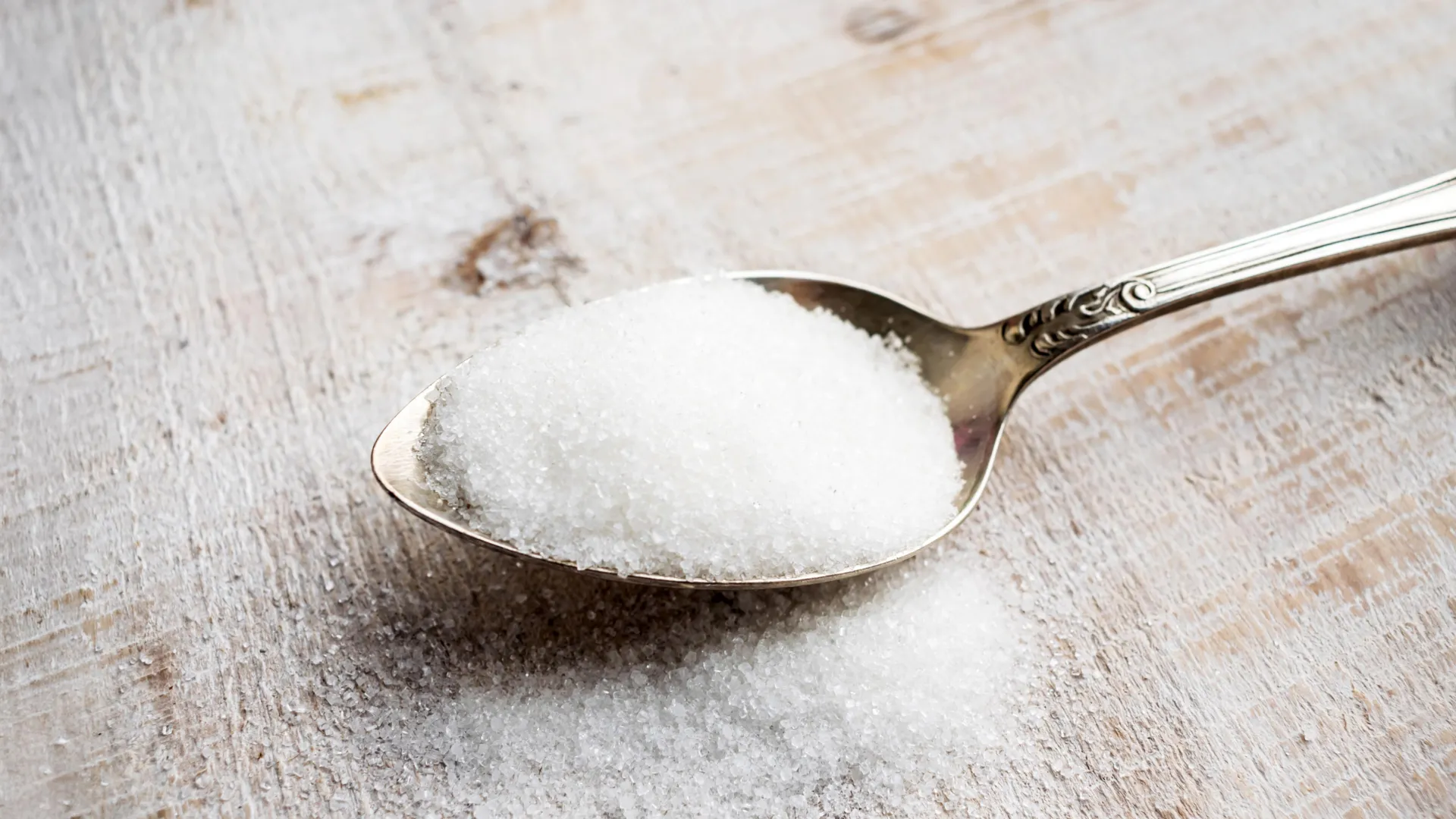
The study, led by Dr. Claudia Kimie Suemoto of the University of São Paulo in Brazil, tracked 12,772 adults over an average period of eight years. The participants, who had an average age of 52 at the study’s inception, were categorized into three groups based on their daily intake of seven common sweeteners: aspartame, saccharin, acesulfame K, erythritol, xylitol, sorbitol, and tagatose. The results indicated that those in the highest consumption tier experienced a 62% faster decline in global cognitive scores compared to those in the lowest consumption group. This acceleration in cognitive aging was estimated to be equivalent to an additional 1.6 years of biological aging over the course of the study.
The Evolution of the Sugar Substitute Market
To understand the implications of this study, it is necessary to examine the historical context of sugar substitutes in the global diet. For decades, the public health narrative has focused heavily on the dangers of refined sugar, particularly its role in the obesity epidemic and the rise of Type 2 diabetes. This led to a massive industrial shift toward non-nutritive sweeteners (NNS) and low-calorie sweeteners (LCS).
Since the late 20th century, the variety of available sweeteners has expanded from basic saccharin to complex chemical formulations like aspartame and acesulfame K, and more recently, sugar alcohols like erythritol and xylitol. These ingredients are now ubiquitous in the modern food supply, found not only in "diet" sodas but also in flavored waters, low-fat yogurts, "sugar-free" snacks, and even savory ultra-processed products. The global market for these substitutes is valued in the billions of dollars, driven by consumer demand for sweet tastes without the caloric consequences. However, as this latest research suggests, the metabolic and neurological trade-offs may be more complex than previously understood.
Methodology and Chronology of the Research
The data utilized in this study was derived from the Brazilian Longitudinal Study of Adult Health (ELSA-Brasil), a large-scale cohort study designed to investigate the development of chronic diseases. The timeline of the research spanned nearly a decade, allowing for a robust assessment of how dietary habits influence brain health over time.
- Baseline Assessment (Beginning of Study): Participants completed comprehensive food frequency questionnaires. This allowed researchers to quantify the exact intake of various sweeteners in milligrams per day. At this stage, participants also underwent their first battery of cognitive tests to establish a baseline for verbal fluency, memory, and processing speed.
- Follow-up and Monitoring: Over the next eight years, participants were monitored for health changes. The average intake in the lowest group was 20 mg/day, while the highest group averaged 191 mg/day. For context, the high-intake group consumed an amount of aspartame roughly equivalent to one 12-ounce can of diet soda daily.
- Midpoint and Conclusion Testing: Cognitive assessments were repeated at the midpoint and at the end of the eight-year period. These tests were designed to measure "verbal fluency" (the ability to retrieve words quickly), "working memory" (short-term information retention), and "processing speed" (the efficiency with which the brain interprets and reacts to information).
By comparing the rate of change in test scores between the low, middle, and high-intake groups, researchers were able to isolate the association between sweetener consumption and cognitive trajectory.
Detailed Findings: Quantifying the Cognitive Impact
The study’s findings were stratified to account for various confounding factors, including age, sex, education level, smoking status, physical activity, and pre-existing conditions like hypertension and cardiovascular disease. Even after these adjustments, the correlation remained stark.
Participants in the middle-consumption group—those who utilized sweeteners more than occasionally but less than the highest group—showed a 35% faster rate of cognitive decline than the lowest group. This was equivalent to approximately 1.3 years of extra brain aging. The most significant decline, however, was seen in the highest-consumption group, where the 62% acceleration represented a profound shift in mental acuity over an eight-year window.
Interestingly, the study found that age played a decisive role in the strength of the association. The link between high sweetener intake and faster cognitive decline was most pronounced in adults under the age of 60. In contrast, the researchers did not observe the same statistically significant association among participants older than 60. This suggests that middle age may be a "critical window" where dietary choices have a more lasting impact on the brain’s long-term resilience.
The Role of Diabetes and Metabolic Health
One of the most concerning aspects of the study was the heightened risk observed among individuals with diabetes. People with diabetes are frequently advised to avoid sugar to manage their blood glucose levels, leading many to become heavy users of artificial and low-calorie sweeteners.
The researchers found that the association between sweetener intake and cognitive decline was significantly stronger in the diabetic subgroup. This creates a potential "double-edged sword" for patients. While these substitutes help manage glycemic index in the short term, they may contribute to faster neurological decline in the long term. Dr. Suemoto noted that because people with diabetes are more likely to use these products as a primary dietary staple, they may be disproportionately affected by any potential neurotoxic or metabolic side effects.
Analyzing the Specific Sweeteners
The study was unique in its granular approach, examining seven distinct sweeteners rather than treating them as a monolithic group. Six of the seven were linked to faster cognitive decline:
- Aspartame: Commonly found in diet sodas and "blue" tabletop packets.
- Saccharin: One of the oldest artificial sweeteners, often found in "pink" packets.
- Acesulfame K: Frequently used in combination with other sweeteners in sodas and protein shakes.
- Erythritol and Xylitol: Sugar alcohols often used in "keto" products and sugar-free chewing gum.
- Sorbitol: Often used in sugar-free candies and medicines; it was the most heavily consumed sweetener in the study, with an average intake of 64 mg/day.
Tagatose was the only sweetener studied that did not show a link to cognitive decline. Tagatose is a rare sugar that is naturally occurring in dairy products and has a different metabolic pathway than synthetic sweeteners or sugar alcohols, which may explain the lack of association.
Scientific Implications and Potential Mechanisms
While the study was observational and cannot prove that sweeteners cause the brain to age faster, it raises important questions about the biological mechanisms at play. Several hypotheses exist within the scientific community regarding how non-nutritive sweeteners might influence the brain:
- Gut-Brain Axis: Many sweeteners, particularly sugar alcohols like sorbitol and erythritol, are known to alter the gut microbiome. Emerging research suggests that a disrupted microbiome can lead to systemic inflammation, which is a known driver of neurodegeneration.
- Insulin Sensitivity: Some studies suggest that the sweet taste of these substitutes, without the accompanying calories, can confuse the body’s metabolic signaling, potentially leading to insulin resistance even in the absence of high sugar intake.
- Neurochemical Changes: Specifically regarding aspartame, some researchers have investigated whether its breakdown products (such as phenylalanine and aspartic acid) can cross the blood-brain barrier and interfere with neurotransmitter synthesis.
Official Responses and Public Health Context
The findings come at a time of shifting institutional perspectives on sugar substitutes. In 2023, the World Health Organization (WHO) released a guideline recommending against the use of non-sugar sweeteners (NSS) for weight control or to reduce the risk of non-communicable diseases. The WHO noted that long-term use of NSS might have "potential undesirable effects," including an increased risk of Type 2 diabetes and cardiovascular diseases.
Medical experts not involved in the Brazilian study have urged caution in interpreting the results while acknowledging their importance. Many emphasize that while the 62% figure is alarming, the study’s reliance on self-reported dietary data is a limitation. Consumers may underreport or overreport their intake based on social desirability or memory lapses.
"Low- and no-calorie sweeteners are often seen as a healthy alternative to sugar," Dr. Suemoto stated. "However, our findings suggest certain sweeteners may have negative effects on brain health over time." She further emphasized the need for more research into "refined sugar alternatives" that are closer to whole foods, such as applesauce or small amounts of natural syrups, although these too must be studied for their long-term effects.
Conclusion and Recommendations for Consumers
The ELSA-Brasil study serves as a significant warning for middle-aged adults who rely heavily on sugar-free processed foods. As the global population ages and the prevalence of cognitive impairment rises, identifying modifiable risk factors in the diet becomes a public health priority.
For consumers, the takeaway is not necessarily a return to high-sugar diets, which carry their own well-documented risks for obesity, heart disease, and cognitive decline. Instead, the findings point toward a "middle path" focused on reducing the overall reliance on ultra-processed additives. Health professionals suggest that the most prudent approach is to transition toward water, unsweetened tea, and whole fruits to satisfy cravings, rather than substituting one chemical additive for another.
The research supported by the Brazilian Ministry of Health and other national scientific councils adds a critical layer to our understanding of nutrition. It underscores that "zero calories" does not equate to "zero impact" on the human body, particularly the brain. As science continues to unravel the complexities of the gut-brain-metabolism connection, the definition of a "healthy alternative" may need to be fundamentally rewritten.