Early Intervention and the Foundation of Language
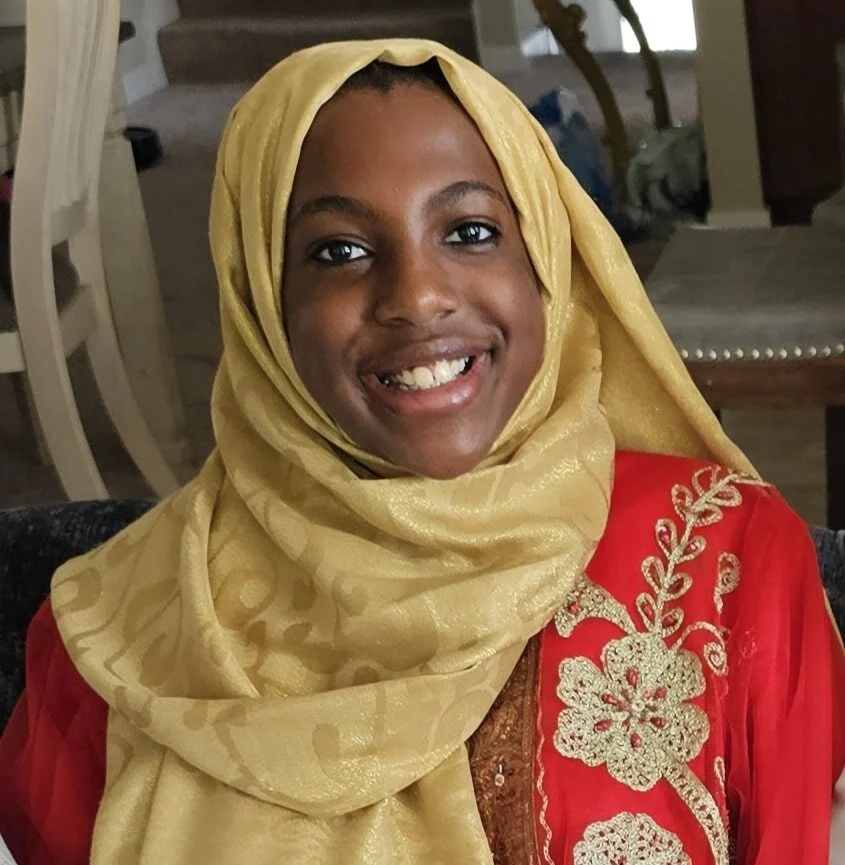
Amalia Faraji’s path began shortly after birth when she was diagnosed with sensorineural hearing loss. This condition, which occurs when there is damage to the inner ear or the nerve pathways from the inner ear to the brain, affects the clarity and volume of sound. For many children with this diagnosis, the "critical period" for language acquisition—the developmental window during which the brain is most receptive to linguistic input—is a race against time.
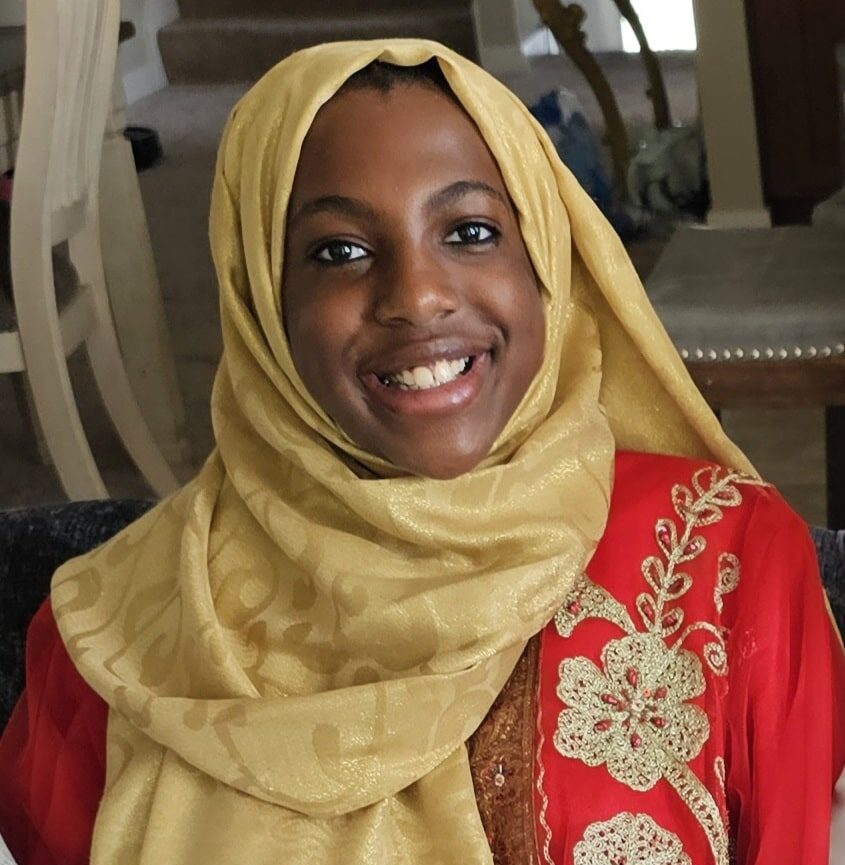
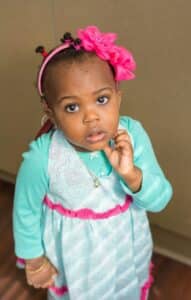
At just 10 months old, Amalia received cochlear implants. Unlike hearing aids, which amplify sound, cochlear implants bypass damaged portions of the ear to directly stimulate the auditory nerve. However, the hardware is only one component of the solution. The secondary, and arguably more vital, component is the habilitation process. Amalia’s family opted for a listening and spoken language (LSL) approach, seeking out the services of Listen and Talk. This program focuses on developing the brain’s ability to interpret sound as speech, providing a structured environment where children learn to communicate, socialize, and express complex ideas through spoken language.
Chronology of Development
The timeline of Amalia’s educational development highlights the milestones common to successful early intervention programs:
- Infancy (0–12 months): Diagnosis of sensorineural hearing loss and successful surgical intervention with cochlear implants at the 10-month mark.
- Early Childhood (Birth to Three): Engagement in specialized, intensive language development services designed to maximize neural plasticity during the most rapid period of brain growth.
- Preschool Years (Blended Classroom): Integration into a "Blended Classroom" model, where children with hearing loss interact with peers in an environment that bridges specialized auditory support with standard early childhood education curricula.
- School Age (Mainstream Integration): Transition into a general education classroom, where the student functions alongside hearing peers, supported by the foundational communication skills established in early childhood.
- Adolescence (Extracurricular and Social Engagement): Demonstrated success in both academic rigor and competitive athletic environments, including swimming, basketball, and track and field.
Supporting Data on Early Intervention
Research consistently demonstrates that children with hearing loss who receive intervention before six months of age develop language skills at a rate comparable to their hearing peers. According to the Joint Committee on Infant Hearing (JCIH), the goal of "1-3-6"—screening by one month, diagnosis by three months, and intervention by six months—is the gold standard for clinical outcomes.
Amalia’s experience aligns with longitudinal studies regarding cochlear implant outcomes. Data from the National Institute on Deafness and Other Communication Disorders (NIDCD) suggests that while outcomes can vary based on the age of implantation and the quality of post-operative habilitation, children who receive implants early and participate in auditory-verbal therapy show significant gains in vocabulary, reading comprehension, and social-emotional development. The Listen and Talk model, which prioritizes the "listening and spoken language" philosophy, mirrors this clinical consensus by emphasizing the necessity of intensive, family-centered involvement.
The Role of Specialized Educational Environments
The "Blended Classroom" model mentioned in Amalia’s case is a critical pedagogical tool. By placing children with hearing loss in a space that balances specialized therapy with peer-to-peer interaction, these programs normalize the use of assistive technology while fostering the social-emotional resilience required for later mainstreaming.
In a general education classroom, a student with a cochlear implant must navigate acoustic challenges, such as background noise and distance from the speaker. Because Amalia was equipped with robust language and advocacy skills during her formative years at Listen and Talk, she possesses the self-assurance to succeed in these complex environments. This academic success is not merely a byproduct of technological intervention; it is the result of years of cumulative, evidence-based instruction.
Extracurricular Involvement and Social Integration
A key indicator of successful long-term outcomes for students with hearing loss is their participation in activities outside of the classroom. Amalia’s involvement in competitive athletics—specifically swimming, track and field, and basketball—is notable. Athletics require not only physical prowess but also rapid auditory processing and social synchronization with teammates.
The ability to function effectively on a court or track underscores that her hearing loss does not define her limitations. Educators and developmental psychologists often cite participation in extracurriculars as a sign that a child has successfully internalized the communication strategies required to manage their hearing technology in high-stimulus environments.
Institutional Impact and Alumni Giving
The success of individual students like Amalia has broader implications for institutions like Listen and Talk. As the organization celebrates its alumni, it simultaneously highlights the necessity of sustained funding. The "Alumni Family Giving Campaign" serves as both a mechanism for operational support and a testament to the long-term success of the program.
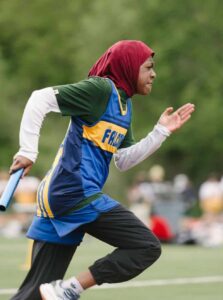
For many non-profit educational organizations, the transition from government or grant-based funding to community-based support is essential to maintain low student-to-teacher ratios and access to the latest auditory technologies. The testimonials provided by families of alumni act as a primary metric for assessing institutional success. By demonstrating that the program’s graduates are thriving in mainstream schools and pursuing diverse interests, the organization secures the trust of prospective donors and the families currently navigating the early stages of a child’s hearing loss diagnosis.
Broader Implications for Healthcare and Education
The narrative of Amalia Faraji reflects a larger shift in the field of deaf and hard-of-hearing education. There is a growing emphasis on "listening and spoken language" as a viable, highly effective pathway for those who choose it. However, the success of this pathway is contingent upon the availability of specialized support.
The implications for policymakers and public health officials are clear: access to early intervention services, which include auditory therapy and specialized classroom placements, is a critical investment. When society provides the necessary resources to children with hearing loss during their first few years, the long-term outcomes—measured in educational attainment, employment, and social integration—are vastly improved.
Amalia’s story serves as an anecdotal anchor for these systemic observations. It highlights that while technology provides the hardware for hearing, it is the pedagogical environment and the dedicated support of organizations like Listen and Talk that provide the software—the language, the confidence, and the ability to navigate a world that is not always designed for those with hearing differences. As she continues her journey, the foundation established during her infancy remains the bedrock of her academic and athletic achievements, proving that with early, consistent support, hearing loss does not have to be a limiting factor in a child’s future.