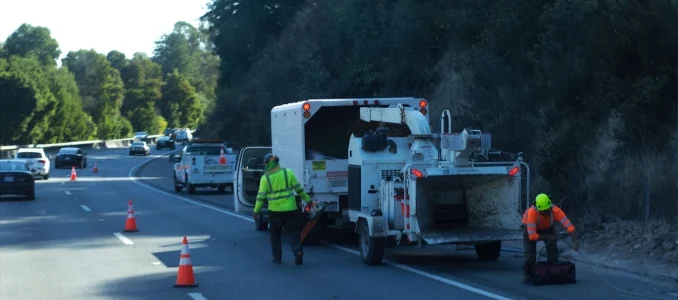
The pilot program is currently being deployed at the Walnut Creek Bridge Replacement Project near milepost 209. As the only active interstate construction site participating in this initial phase, the project serves as a testing ground for technology that could eventually be scaled to other high-risk zones across the state. Drivers approaching the work zone are being alerted to the enforcement measure through a series of prominent, high-visibility signs informing them that the area is subject to photo-monitored speed regulations.
The Mechanics of Automated Enforcement
The enforcement system is designed with specific operational parameters to ensure fairness and strict adherence to the law. The technology utilizes radar and sensor arrays to continuously measure the velocity of oncoming traffic. When a vehicle is detected exceeding the posted speed limit, the system captures high-resolution photographic evidence of the vehicle, including the license plate.
Crucially, the system is not intended to operate as a permanent speed trap. The core of the program relies on the presence of workers. According to the guidelines established by the Alabama Work Zone Safety Act, records are only eligible for potential prosecution if they are captured while personnel are actively working at the site. The system filters data based on real-time inputs from the work site. Once a potential violation is logged, it undergoes a multi-stage screening process by both ALDOT technicians and ALEA officials to verify the validity of the data before any enforcement action is considered.
If a violation is confirmed, the vehicle’s registered owner will receive a notice of a civil citation or a formal warning by mail. Because this is a civil enforcement program, it is distinct from criminal traffic violations. The citations do not result in the assessment of points against a driver’s license, nor do they trigger insurance premium hikes or the threat of license suspension or revocation.

Legislative Intent and Chronology
The catalyst for this program was the 2026 Alabama Work Zone Safety Act, a piece of legislation passed in response to rising concerns over the safety of road construction crews. Lawmakers recognized that traditional police presence—while effective—is limited by staffing shortages and the physical danger posed to officers tasked with pulling over speeding motorists in narrow, congested work zones.
The implementation schedule for the project is as follows:
- October 2026: Legislative mandate finalized, directing ALDOT and ALEA to collaborate on a pilot program.
- Early November 2026: Deployment of equipment and installation of signage at the Chilton County site.
- November 16, 2026: Earliest date for the issuance of civil citations for speeding.
- September 2028: Current statutory expiration date for the pilot, unless the Alabama Legislature votes to extend or make the program permanent.
The decision to limit the initial pilot to a single site allows the state to monitor the effectiveness of the equipment, the accuracy of the data, and the public’s reception to the program before considering a broader rollout.

Safety Data and the Necessity of Intervention
The implementation of this pilot program is supported by sobering national and state-level statistics regarding work zone safety. According to the National Work Zone Safety Information Clearinghouse, thousands of crashes occur in work zones annually across the United States. In Alabama, the density of interstate traffic through mountainous and bridge-heavy terrain like that found in Chilton County creates unique hazards.
Data from the Federal Highway Administration (FHWA) consistently indicates that rear-end collisions—often the result of speed differentials and sudden braking—are the most common type of crash in work zones. By introducing a "speed management" strategy, authorities hope to encourage more uniform traffic flow. When drivers know they are being monitored by automated systems, they are statistically more likely to adhere to reduced speed limits, which in turn reduces the severity of potential impacts and provides workers with a safer environment to conduct high-risk tasks.
The Administrative Process for Motorists
For vehicle owners who receive a notice, the process is handled through administrative channels rather than the court system. Each notice contains the specific speed at which the vehicle was traveling, the photographic evidence supporting the claim, the monetary penalty, and detailed instructions on how to appeal the decision.

The law provides a clear pathway for individuals who were not the operator of the vehicle at the time of the violation. For example, in cases involving rental or leased vehicles, owners can submit documentation identifying the person responsible for the vehicle at the time of the incident, effectively transferring the civil responsibility. The inclusion of an administrative hearing process ensures that citizens retain the right to contest the accuracy of the equipment or the circumstances of the violation, maintaining the due process protections necessary for public trust.
Broader Implications and Future Outlook
The Alabama Work Zone Safety Act pilot program signals a transition toward "smart" infrastructure in the Southeast. By automating the enforcement process, the state is attempting to remove the human element of risk involved in traffic stops within active work zones. If the pilot proves successful in reducing speeds and, ultimately, decreasing the number of near-misses and collisions at the Walnut Creek project, it is highly probable that state officials will advocate for an expansion of the program.
However, the program also raises questions regarding public privacy and the efficacy of automated ticketing. Critics of photo enforcement in other jurisdictions have often cited concerns over the privatization of the enforcement process and the potential for "revenue-generation" over "safety-improvement." Alabama officials have countered these concerns by emphasizing that the program is explicitly governed by state law and that revenue generated from the civil citations will likely be funneled back into the maintenance and operation of transportation safety programs, rather than serving as a general fund booster.

Furthermore, the pilot provides a controlled environment to study the long-term behavior of drivers. If the program demonstrates a sustained decrease in average speeds at the Chilton County site, it may serve as a blueprint for the Alabama Department of Transportation to deploy similar technology in other high-risk areas, such as the I-10 corridor in Mobile or the I-59/20 interchange in Birmingham.
Official Stance and Collaborative Efforts
The synergy between ALDOT and ALEA is viewed as a vital component of this initiative. ALDOT brings the technical expertise required to set up the hardware and manage the data stream, while ALEA provides the legal framework and the authority to process the citations. This collaborative model is designed to ensure that the program remains firmly within the bounds of state law while providing the flexibility needed to adjust to site-specific challenges.
For the workers on the ground, the initiative is a welcome development. The psychological toll of working within feet of high-speed traffic is significant. By utilizing technology to enforce safety, the state is effectively creating a buffer zone that relies on compliance rather than just cones and plastic barriers.
As November 16 approaches, the focus in Chilton County will remain on public awareness. The state is operating under the assumption that the presence of the cameras—and the promise of a civil notice—will act as a sufficient deterrent to modify driver behavior. Whether this assumption holds true will be determined over the coming two years as the state monitors accident rates, traffic speeds, and the overall efficiency of the Walnut Creek Bridge Replacement project.
In conclusion, the Alabama Work Zone Safety Act pilot is a data-driven response to a persistent public health and safety issue. By focusing on the intersection of technology and infrastructure, Alabama is joining a growing list of states attempting to leverage automation to protect those who maintain the nation’s critical transportation arteries. The next 22 months of testing will provide the necessary evidence to determine if this approach will become a permanent feature of the Alabama highway experience.