The Critical Challenge of Early Parkinson’s Detection
Parkinson’s disease is the second most common neurodegenerative disorder worldwide, characterized by the progressive loss of dopaminergic neurons in the substantia nigra region of the brain. Because the symptoms—such as tremors, bradykinesia (slowness of movement), and postural instability—often only manifest after a significant portion of these neurons have already perished, early diagnosis remains the "holy grail" of neurology. Current diagnostic protocols rely heavily on clinical rating scales, such as the Unified Parkinson’s Disease Rating Scale (UPDRS), which are inherently subjective and dependent on the expertise of the clinician. While advanced neuroimaging techniques like DaTscan (dopamine transporter SPECT imaging) can provide more definitive evidence, they are expensive, require specialized facilities, and are often inaccessible for routine population-wide screening.
The necessity for a low-cost, high-throughput screening tool is driven by the reality that while current treatments for Parkinson’s do not cure the condition, they are significantly more effective when administered early. Early intervention can preserve motor function for longer periods, improve the quality of life for patients, and reduce the long-term economic burden on healthcare systems.
From Skin Sebum to Earwax: The Evolution of Olfactory Screening
The concept of "smelling" Parkinson’s disease is not entirely new. The scientific community’s interest was piqued years ago by the case of Joy Milne, a "super-smeller" who could identify the disease by the scent of a person’s skin long before clinical symptoms appeared. Subsequent research confirmed that individuals with PD often exhibit changes in their sebum—an oily, waxy substance secreted by the sebaceous glands to moisturize and protect the skin. These changes are believed to be the result of metabolic shifts, oxidative stress, and systemic inflammation associated with neurodegeneration, which alter the profile of volatile organic compounds (VOCs) released by the body.
However, using skin sebum as a reliable diagnostic medium presents significant hurdles. Sebum on the surface of the skin is constantly exposed to environmental variables, including air pollution, fluctuating humidity, temperature changes, and the use of personal care products like soaps and lotions. These external factors can degrade or mask the subtle chemical signatures of the disease, leading to inconsistent results.
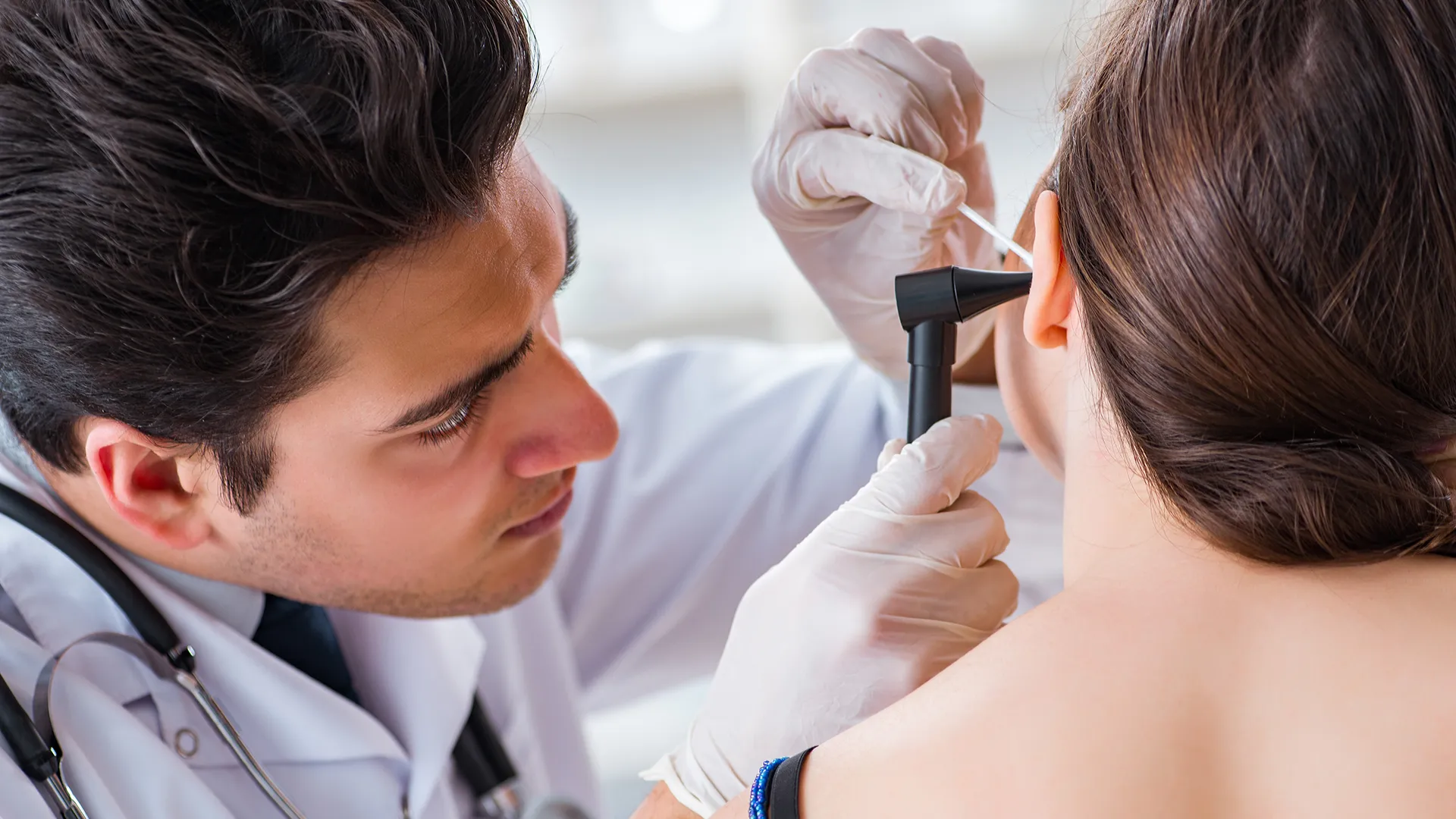
To circumvent these issues, Hao Dong, Danhua Zhu, and their colleagues turned their attention to the ear canal. The skin inside the ear is relatively shielded from the environment, and the secretions found there—cerumen, or earwax—consist largely of sebum mixed with dead skin cells and sweat. Because the ear canal is a more stable microenvironment, the researchers hypothesized that earwax would provide a more consistent and concentrated reservoir of disease-related VOCs.
Methodology: Analyzing the Chemical Fingerprints of PD
The study involved a cohort of 209 human subjects, comprising 108 individuals previously diagnosed with Parkinson’s disease and 101 healthy controls. To ensure the integrity of the samples, the researchers used a standardized swabbing technique to collect secretions from the ear canals of the participants. These samples were then subjected to rigorous chemical analysis using gas chromatography-mass spectrometry (GC-MS), a gold-standard analytical method that allows for the separation and identification of complex chemical mixtures.
The analysis revealed a distinct chemical divergence between the two groups. While dozens of compounds were detected, the researchers identified four specific VOCs that were significantly altered in the earwax of Parkinson’s patients compared to the control group. These four biomarkers are:
- Ethylbenzene: A common aromatic hydrocarbon often linked to metabolic processes.
- 4-ethyltoluene: A compound that showed a marked difference in concentration in the PD group.
- Pentanal: An alkyl aldehyde that is frequently associated with lipid peroxidation, a marker of oxidative stress.
- 2-pentadecyl-1,3-dioxolane: A more complex organic molecule whose presence or concentration levels provided a clear signature for the disease.
The identification of these specific biomarkers is a crucial step forward, as it moves the field away from the general concept of a "Parkinson’s smell" toward a quantifiable chemical profile that can be measured and tracked.
The Role of Artificial Intelligence in Olfactory Diagnostics
Identifying the biomarkers was only the first half of the challenge. To make the technology viable for clinical use, the researchers needed a way to interpret these complex chemical signatures quickly and accurately. This led to the development of the Artificial Intelligence Olfactory (AIO) system.
The researchers trained the AIO system using the VOC data sets generated from the 209 subjects. Machine learning algorithms were employed to recognize the intricate patterns and ratios of the four key biomarkers. Unlike human observation, which may struggle with subtle variations in chemical concentrations, the AIO system can process multi-dimensional data to identify the "fingerprint" of the disease with high sensitivity and specificity.
Upon testing, the AIO-based screening model demonstrated a 94% accuracy rate. This level of precision is comparable to, and in some cases exceeds, the accuracy of initial clinical assessments performed by general practitioners. The integration of AI allows for a "smart" diagnostic tool that can potentially be refined as more data becomes available, further increasing its reliability across diverse populations.
Chronology of the Research and Funding
The development of this earwax-based screening tool is the culmination of several years of cross-disciplinary research involving chemistry, neurology, and data science. The project was supported by several major scientific organizations, highlighting the perceived importance of the work within the global research community.
- Phase 1: Discovery. Initial studies focused on the viability of sebum as a biomarker source, inspired by anecdotal evidence of "smelling" PD.
- Phase 2: Refinement. The shift from general skin sebum to the more stable environment of the ear canal.
- Phase 3: Data Collection. The recruitment and swabbing of the 209 subjects in a controlled clinical setting.
- Phase 4: Chemical Identification. The use of GC-MS to isolate the four primary VOC biomarkers.
- Phase 5: AI Integration. The training and validation of the AIO system to achieve the 94% accuracy milestone.
The authors have acknowledged significant funding from the National Natural Sciences Foundation of Science, the Pioneer and Leading Goose R&D Program of Zhejiang Province, and the Fundamental Research Funds for the Central Universities. These grants suggest a long-term commitment to bringing this technology from the laboratory to the clinic.
Limitations and the Path to Global Application
Despite the impressive results, the researchers are cautious about overstating the immediate availability of the test. Lead researcher Hao Dong emphasized that the study was a "small-scale single-center experiment" conducted within a specific demographic in China. To validate the method for global use, several hurdles must be cleared.
One primary concern is whether the VOC profile of Parkinson’s disease remains consistent across different ethnic groups and geographic locations. Diet, genetics, and environmental exposures can all influence the composition of earwax and sebum. Therefore, the next phase of research will involve multi-center trials across different countries and ethnic backgrounds.
Furthermore, the researchers need to determine how these VOC levels change across the different stages of the disease. Can the AIO system detect Parkinson’s five or ten years before motor symptoms appear? This "prodromal" phase is the most critical window for future neuroprotective therapies. Future studies will likely include longitudinal tracking of high-risk individuals to see if the earwax biomarkers can predict the onset of the disease before any clinical manifestation occurs.
Broader Implications for Healthcare and Neurology
The implications of a successful earwax-based screening tool are profound. From an economic perspective, Parkinson’s disease costs billions of dollars annually in direct medical costs and lost productivity. A low-cost, non-invasive screening tool could be integrated into routine physical exams for older adults, much like blood pressure or cholesterol checks. This would allow for the identification of patients who require more intensive follow-up with neurologists, thereby optimizing the use of expensive imaging resources.
From a patient care perspective, early diagnosis empowers individuals to make lifestyle changes—such as increased exercise and dietary adjustments—that have been shown to slow the progression of symptoms. It also allows patients to participate in clinical trials for new disease-modifying drugs at a stage when their brains have the most to gain from protection.
Furthermore, the success of the AIO system in Parkinson’s disease provides a blueprint for diagnosing other conditions. Many diseases, including various cancers and metabolic disorders, are known to produce specific VOC signatures. The "electronic nose" technology developed by Dong, Zhu, and their team could eventually be adapted to screen for a wide array of illnesses using simple, non-invasive samples like earwax, breath, or sweat.
Conclusion: A New Era of Non-Invasive Diagnostics
The development of an earwax-based AI screening system represents a landmark achievement in the pursuit of objective biomarkers for Parkinson’s disease. By looking where others had not—inside the ear canal—and leveraging the power of artificial intelligence, the research team has opened a new door for early detection and personalized care.
While more work is required to prove the system’s efficacy across global populations and disease stages, the initial 94% accuracy rate provides a compelling argument for the future of olfactory-based diagnostics. As the medical community moves toward a more proactive and preventative model of care, tools like the AIO system will be essential in catching the silent signs of neurodegeneration before they become life-altering symptoms. The humble earwax, once overlooked, may soon become one of the most valuable tools in the neurologist’s arsenal.