
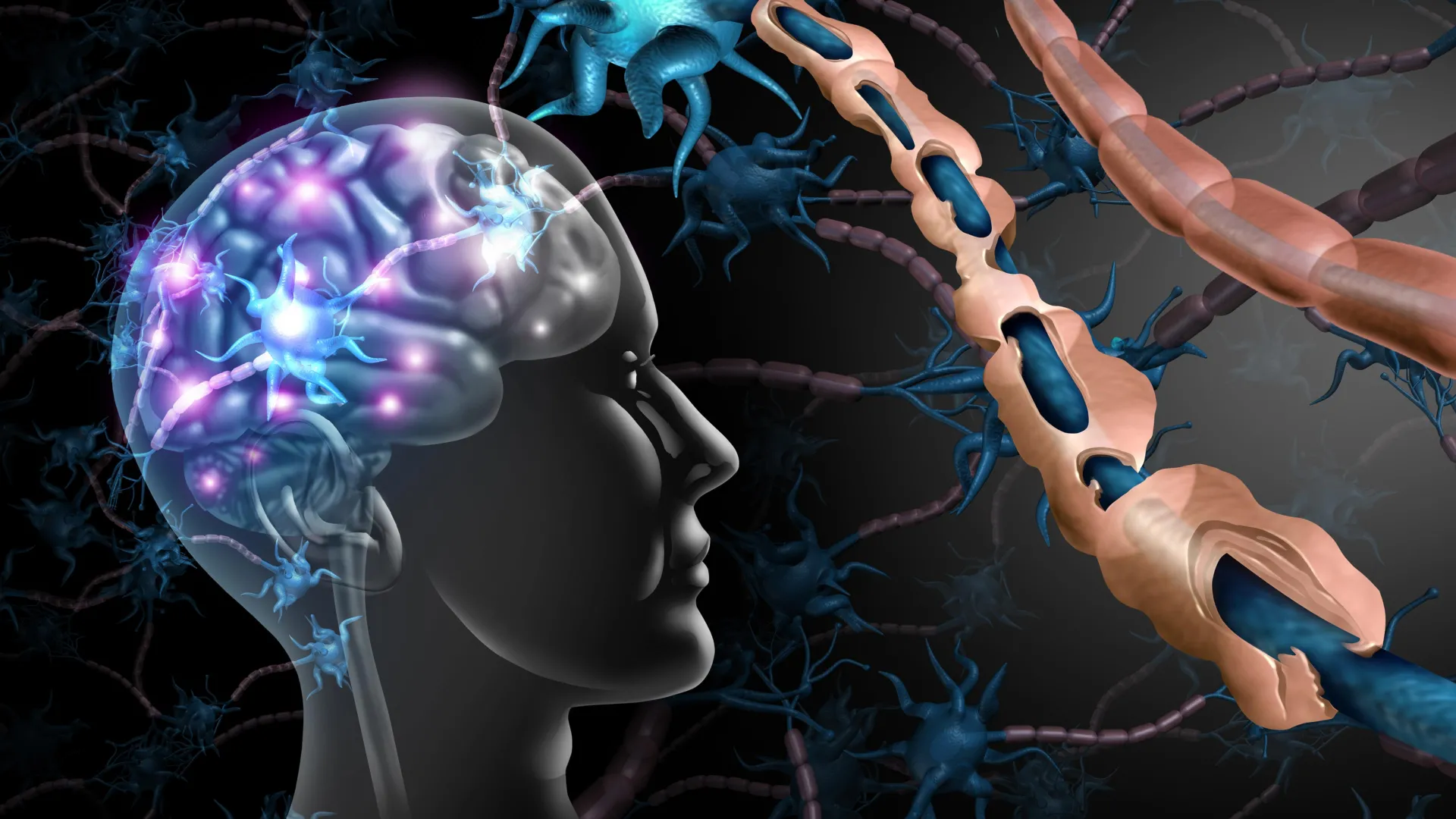
For years, the scientific community viewed the decline of the aging brain primarily through the lens of neuronal loss or the buildup of toxic proteins like amyloid-beta and tau, which are hallmarks of Alzheimer’s disease. However, this new research shifts the focus toward the "white matter" of the brain, specifically the myelin sheath that acts as insulation for the electrical signals traveling between neurons. By examining the biological health of the cells responsible for maintaining this insulation, the team has pinpointed a specific protein deficiency that triggers a cascade of cognitive deterioration.
The Lothian Birth Cohort: A Unique Longitudinal Foundation
The strength of this study lies in its use of data from the Lothian Birth Cohort 1936, one of the most comprehensive longitudinal studies of human aging in existence. The cohort consists of individuals born in 1936 who took part in the Scottish Mental Survey of 1947. Because these participants had their cognitive abilities measured at age 11, researchers possessed a rare baseline of "peak" mental function against which to measure the changes of old age.
Beginning at age 70, the participants underwent a series of rigorous cognitive assessments every three years. These tests measured processing speed—the rate at which the brain can take in and respond to new information—as well as memory retention and visuospatial ability. Of the 1,091 original members of the cohort, 866 remained active in the study past their 70th birthday.
While almost all participants showed some degree of cognitive slowing as they entered their 80s, the rate of decline was far from uniform. This variance allowed the research team to categorize brains into those that aged "successfully" and those that experienced accelerated deterioration. By correlating these cognitive trajectories with post-mortem tissue analysis from a subset of the group, the researchers were able to look past the symptoms of aging and identify the underlying cellular malfunctions.
The Myelin Paradox: When Protection Becomes Pathology
The primary role of oligodendrocytes is to produce myelin, a fatty substance that wraps around the axons (nerve fibers) of neurons. This sheath is essential for saltatory conduction, the process by which electrical impulses leap across gaps in the insulation to travel at high speeds. Without healthy myelin, the brain’s internal communication network slows down, leading to the "brain fog" and slowed reaction times often associated with old age.
However, the tissue analysis revealed a paradox. In individuals who had experienced the most rapid cognitive decline, the researchers did not find a simple lack of myelin. Instead, they discovered an accumulation of "unhealthy" or disorganized myelin. This abnormal buildup appeared to correlate with the loss of the largest, most vital nerve fibers.
"We have always considered oligodendrocytes as purely beneficial," noted Dr. Georgina Craig, the study’s first author and a Postdoctoral Fellow at the UK Dementia Research Institute. "Yet here we surprisingly find that they can become dysfunctional and contribute to cognitive impairment in aging."
The study suggests that as these cells age, they lose the ability to properly regulate the production and maintenance of the myelin sheath. Rather than supporting the nerve fiber, the dysfunctional oligodendrocyte produces a distorted coating that may eventually contribute to the death of the axon itself. This suggests that cognitive decline is not just a matter of "wear and tear," but a result of a specific cellular failure.
The NRF2 Pathway: A Master Regulator in Decline
To find the "smoking gun" behind this cellular dysfunction, the researchers utilized advanced genetic and proteomic sequencing. They discovered that the oligodendrocytes in the brains of those with severe cognitive decline were significantly deficient in a protein called NRF2 (Nuclear factor erythroid 2-related factor 2).
NRF2 is often described by biologists as a "master regulator" of the body’s antioxidant response. It controls the expression of over 200 genes that protect cells against oxidative stress, inflammation, and toxic damage. In a healthy young brain, NRF2 ensures that oligodendrocytes can withstand the metabolic demands of maintaining the myelin sheath. In the aging brain, however, NRF2 levels appear to plummet in these specific cells.
To confirm whether the loss of NRF2 was a cause or a symptom of decline, the team conducted controlled experiments using mouse models. By genetically engineering mice to lack NRF2 specifically within their oligodendrocytes, the researchers were able to replicate the exact pathology seen in the human Lothian Birth Cohort. The mice developed excessive, poorly formed myelin and began to lose their large nerve fibers. Furthermore, these mice showed a marked inability to improve their performance on cognitive tasks as they aged, effectively mirroring the human experience of cognitive stagnation and decline.
Therapeutic Implications and Drug Repurposing
The identification of the NRF2 pathway as a central player in cognitive health provides a concrete target for pharmaceutical intervention. Perhaps the most significant aspect of this discovery is that the medical community does not need to start from scratch to develop a treatment.
NRF2-activating drugs are already in clinical use for other conditions. For instance, dimethyl fumarate, a medication used to treat relapsing-remitting multiple sclerosis (MS), works primarily by activating the NRF2 pathway to protect the central nervous system from inflammatory damage. Because the safety profiles for these drugs are already well-established, the path toward clinical trials for age-related cognitive decline could be significantly shorter than that of a brand-new compound.
"As the prevalence of cognitive decline is rising with an aging population and no current treatments exist, we are excited about this work," said Professor Veronique Miron, the study’s lead investigator. "It points to a potential strategy for new therapeutic strategies to preserve cognitive ability in aging."
The prospect of "repurposing" MS drugs for the general elderly population represents a major shift in geriatric medicine. If a treatment can stabilize oligodendrocyte function and maintain healthy myelin, it might be possible to slow or even halt the progression of cognitive decline before it leads to a total loss of independence for the patient.
Broader Impact on Global Health and Aging
The implications of this study are vast, particularly given the global demographic shift toward an older population. According to the World Health Organization, the number of people aged 60 and over is expected to double by 2050, reaching 2.1 billion. With this shift comes a massive increase in the economic and social burden of cognitive impairment, which currently costs the global economy over $1 trillion annually.
By providing a clearer understanding of "normal" brain aging versus pathological decline, this research allows for more precise diagnostics. Future medical screenings could potentially involve imaging or biomarkers that specifically look for white matter integrity and NRF2 activity, allowing for intervention years before the first symptoms of memory loss appear.
Furthermore, the study highlights the importance of white matter in the broader conversation about dementia. While much of the public’s attention remains on the "gray matter"—where the cell bodies of neurons reside—this research underscores that the "cabling" of the brain is just as vital. Protecting the oligodendrocyte may be the key to ensuring that the various regions of the brain remain connected and communicative well into a person’s ninth or tenth decade.
Conclusion: A New Paradigm in Neuroscience
The research from the University of Edinburgh and its partners marks a fundamental shift in how scientists perceive the aging process. The transition of oligodendrocytes from "protectors" to "perpetrators" of damage provides a missing link in our understanding of why some brains remain sharp while others fade.
By linking the longitudinal data of the Lothian Birth Cohort with modern molecular biology and mouse modeling, the team has provided a comprehensive map of a specific biological failure. The focus now turns to clinical application. As researchers move toward testing NRF2 activators in aging populations, the goal remains clear: to transform our understanding of cognitive decline from an inevitable consequence of time into a treatable medical condition.
While the road to a widely available "anti-aging" brain treatment remains long, the discovery of the NRF2-oligodendrocyte-myelin axis provides a definitive starting point. For the millions of individuals currently navigating the early stages of cognitive decline, and for the societies tasked with caring for them, this research offers a rare and scientifically grounded sense of hope.