The Anatomy of an Industrial Fall
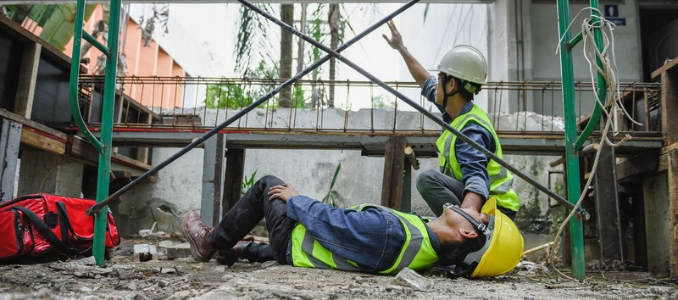
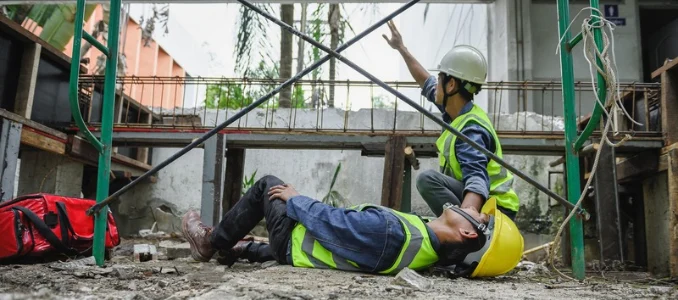
The mechanism of injury typically involves sudden deceleration, which can cause the head to snap forward, backward, or laterally, putting extreme strain on the cervical spine. If the worker lands on their feet, the force travels up the spinal column, potentially causing compression fractures in the thoracic or lumbar regions. Furthermore, if a worker is struck by falling equipment simultaneously with the fall, the risk of spinal cord injury increases exponentially.
The Hidden Danger of Secondary Injury
A critical issue identified by trauma surgeons and emergency medical technicians (EMTs) is the phenomenon of secondary injury. This occurs when an initial spinal injury is exacerbated by improper handling or movement by well-meaning coworkers. Because spinal injuries are not always visible—there may be no external bleeding or obvious deformity—bystanders often assume the worker is simply "shaken up" or suffering from minor bruising.

Adrenaline plays a deceptive role in the aftermath of an accident. The body’s natural "fight or flight" response can mask the severity of pain, allowing a worker to remain conscious and potentially attempt to stand or walk. Encouraging an injured worker to move before a professional assessment has been conducted is one of the most common and dangerous errors in industrial rescue. Any movement of a compromised spinal column can turn a stable fracture into a displaced one, potentially severing or compressing the spinal cord and leading to permanent paralysis.
Chronology of an Emergency Response
Effective emergency management on a job site must follow a rigid, pre-planned chronology to ensure the safety of the victim:

- The Impact (T-Minus 0): The fall occurs. Immediate silence or the sounds of the worker’s cry for help mark the start of the emergency phase.
- Initial Assessment (0–60 Seconds): The first responders—usually fellow coworkers—arrive. They must refrain from touching the patient unless there is an immediate environmental hazard, such as fire or an unstable structure.
- Emergency Activation (1–3 Minutes): A designated worker calls 911 or the local emergency response number. It is vital to report a "possible spinal injury" to ensure the dispatch center sends paramedics trained in spinal stabilization.
- Site Stabilization (3–10 Minutes): Responders secure the scene, ensuring no further debris can fall and that heavy machinery is powered down.
- Continuous Monitoring (10 Minutes–Arrival): Responders remain with the worker, keeping them calm and still, maintaining verbal communication to assess mental status, and checking for clear warning signs.
Clinical Warning Signs to Observe
While the absence of symptoms does not guarantee a clean bill of health, the presence of certain indicators should be treated as a red flag requiring immediate immobilization:
- Neurological Deficits: Numbness, tingling, or a "pins and needles" sensation in the extremities.
- Motor Impairment: Inability to move fingers or toes, or a significant decrease in grip strength.
- Pain Localization: Intense pain located specifically along the neck or mid-to-lower back.
- Respiratory Distress: Difficulty breathing or an erratic heart rate, which can indicate cervical spine damage affecting the diaphragm.
- Altered Mental Status: Confusion, loss of consciousness, or disorientation following the impact.
The "Log Roll" Maneuver: When Movement is Necessary
There is one notable exception to the rule of non-movement: airway management. If an injured worker is vomiting, choking, or in a position that threatens their ability to breathe, movement becomes a necessity rather than an option. However, this must be performed with extreme caution.

The "log roll" is the industry-standard technique for this scenario. It requires at least two, preferably three or more, trained individuals. One person must be designated as the "lead" and is stationed at the victim’s head. Their sole responsibility is to maintain the alignment of the head, neck, and torso. The other responders act in unison to roll the worker as a single, rigid unit, preventing any twisting or flexing of the spine. If the worker is wearing a hard hat, it should remain in place to help stabilize the head, provided it does not interfere with breathing.
Industry Implications and Regulatory Outlook
The prevalence of spinal injuries in the workplace has forced a shift in how safety managers design site-specific emergency action plans (EAPs). OSHA regulations under 29 CFR 1926.50 state that employers must ensure the availability of medical personnel for advice and consultation on matters of occupational health. However, many firms are going beyond the basic requirement, implementing "First Responder" certification programs for lead foremen.

Data from the National Safety Council (NSC) suggests that companies with robust, practiced emergency protocols see a 20% reduction in the long-term severity of injury claims. When workers are empowered to act with restraint—knowing when to leave a victim alone and when to initiate a controlled intervention—the economic and human costs are significantly mitigated.
Analysis of the "Wait and See" Approach
The "wait and see" approach is often a byproduct of a culture that prioritizes production speed over safety, or one that fears the repercussions of calling emergency services for a "minor" incident. This is a flawed logic. From a legal and ethical standpoint, the cost of an unnecessary emergency call is negligible compared to the lifelong care costs and human suffering associated with a preventable spinal cord injury.

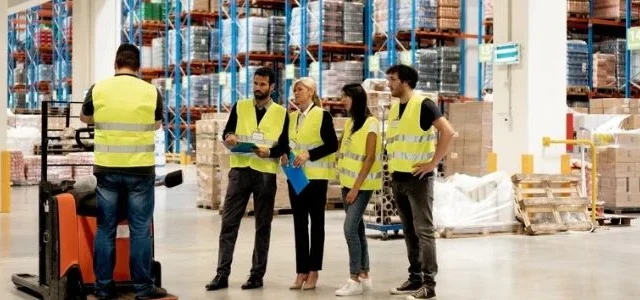
Site managers should conduct periodic "toolbox talks" specifically focused on post-fall response. These discussions should move away from the abstract and toward the practical: How do we secure this specific site? Who is responsible for calling EMS? Where is the nearest automated external defibrillator (AED) and trauma kit? By normalizing the discussion of these scenarios, companies reduce the panic that often leads to hasty, harmful decisions in the immediate aftermath of an accident.
Conclusion: A Shift Toward Informed Intervention
The first minutes after a fall are not a time for heroic attempts at recovery, but for disciplined, controlled intervention. By fostering an environment where workers are trained to recognize the signs of spinal trauma and are given the authority to prioritize patient stabilization over site activity, construction firms can drastically improve outcomes for their employees.

Protecting the spine is not just about installing guardrails; it is about ensuring that if a worker does fall, their colleagues have the knowledge to prevent a temporary injury from becoming a permanent life-altering event. As safety standards continue to evolve, the integration of post-accident protocols into the broader corporate safety culture remains the most effective way to address the inherent risks of working at height. The goal is clear: to ensure that the primary care provided on the ground is as sophisticated and effective as the prevention measures taken at the top of the ladder.