

The Onset: A Clinical and Personal Chronology
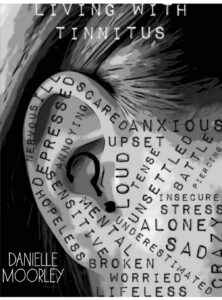
Moorley’s journey with tinnitus began under acute circumstances. At 18, during a period of severe dental distress, she experienced the sudden, intrusive onset of a ringing sound in both ears. This phenomenon, often referred to as "somatic tinnitus," can sometimes be linked to jaw or dental issues, where the sensory input from the head and neck influences the auditory system. For an adolescent, the sudden intrusion of an unremitting noise was described as a profound shock to her physiological and psychological equilibrium.
In the immediate aftermath, the condition disrupted her quality of life, manifesting in chronic sleep deprivation and diminished energy levels. The clinical literature frequently categorizes the early stages of tinnitus as a "hyper-arousal" phase. During this period, the brain’s limbic system—which processes emotions—often flags the new sound as a threat, triggering a "fight or flight" response. For Moorley, this resulted in feelings of being trapped and overwhelmed, a common trajectory for many patients who lack initial guidance on habituation.

The Landscape of Tinnitus Management
Tinnitus is not a disease in itself but a symptom of an underlying condition, which may include sensorineural hearing loss, exposure to loud noise, or systemic issues. According to global health data, approximately 10% to 15% of the adult population experiences some form of tinnitus. Of those, a smaller percentage suffers from "bothersome" tinnitus, which significantly interferes with daily life, work, and mental health.
Moorley’s early experience reflects a common systemic failure: a lack of specialized understanding within primary care. When she first sought help, she reported a dearth of actionable advice from healthcare professionals, a sentiment echoed by thousands of patients worldwide. The current clinical standard for managing the psychological impact of the condition is Cognitive Behavioral Therapy (CBT). By focusing on the cognitive appraisal of the sound rather than the sound itself, CBT aims to reduce the patient’s emotional reaction. For Moorley, the integration of CBT was a turning point. It provided a framework to break the cycle of stress—a physiological feedback loop where anxiety exacerbates the perception of tinnitus, which in turn fuels further anxiety.
The Role of Advocacy and Support Networks
The transition from isolation to active management was facilitated by Tinnitus UK, a national charity dedicated to providing resources, research funding, and community support. Organizations of this nature serve as essential pillars in the healthcare ecosystem, filling the gap where clinical medicine often falls short.
Moorley identifies the Tinnitus UK helpline as a cornerstone of her recovery. This service acts as a primary point of contact for individuals in crisis, offering not only practical advice on sound enrichment and relaxation but also the intangible benefit of validation. By connecting with a community of peers, individuals are able to dismantle the sense of alienation that often accompanies invisible conditions. The scientific community has long noted that peer-to-peer support groups can lead to improved self-efficacy, helping patients regain control over their environment.
Reclaiming Autonomy and Social Integration
As Moorley began to apply the strategies learned through her engagement with the organization, she noted a marked improvement in her ability to navigate social settings. Historically, environments with high-intensity auditory input—such as concerts or crowded gatherings—induced dizziness and malaise. By utilizing systematic desensitization and supported exposure, she has successfully returned to these activities.
This reclamation of personal space is a vital metric in tinnitus recovery. It demonstrates that the condition does not necessarily mandate a withdrawal from public life. Instead, it requires a shift in how one interacts with the environment, often involving the use of sound-masking techniques or simple behavioral modifications. Her return to her professional role as a Room Leader in a day nursery and her pursuit of photography and equestrianism demonstrate that a high quality of life is achievable despite the persistence of auditory symptoms.
The Wider Implications of Membership and Community
Moorley’s decision to become a member of Tinnitus UK represents a shift from a "patient" identity to an "advocate" identity. Membership in such organizations provides more than just access to information; it fosters a sense of collective purpose. For those living with chronic conditions, the knowledge that they are contributing to broader research initiatives and awareness campaigns can be an empowering aspect of the healing process.
From a public policy perspective, the role of patient advocacy groups is expanding. These organizations are increasingly collaborating with clinical researchers to prioritize the patient voice in the development of future treatments. By funding research into the mechanisms of tinnitus—ranging from neuroplasticity to pharmaceutical interventions—charities are bridging the gap between current symptomatic management and future curative possibilities.

Analysis: Why Community Support is a Public Health Necessity
The case of Danielle Moorley provides a clear, albeit singular, illustration of a broader systemic requirement. Tinnitus remains one of the most challenging conditions to treat because of its subjective nature; there is no blood test or diagnostic scan that can quantify the volume or "annoyance factor" of the sound for a third party. Consequently, the patient’s subjective experience is the primary data point.
When healthcare systems fail to validate this data, the patient is left to navigate the distress alone. This underscores the importance of the "Bio-Psycho-Social" model of care. This model posits that health is determined by a combination of biological factors, psychological factors, and social conditions. While medical intervention (the biological) is crucial, it is insufficient if the psychological distress and social isolation (the psycho-social) are left unaddressed.
The success of Moorley’s transition suggests that the integration of support services—such as those offered by Tinnitus UK—into the standard care pathway could significantly reduce the burden on public health services. By providing early intervention and peer support, we can mitigate the risk of long-term mental health complications, such as chronic depression or anxiety, which are statistically higher in individuals with untreated, severe tinnitus.
Moving Forward: The Future of Tinnitus Research and Care
As we look toward the future, the focus remains on two fronts: the pursuit of a medical cure and the optimization of living standards for those currently affected. Current research is exploring everything from neuromodulation—which uses electrical or magnetic stimulation to change brain activity—to advanced pharmacological treatments.

However, as the medical community waits for breakthroughs, the role of the individual remains paramount. Moorley’s story serves as a testament to the fact that while one cannot always control the sound, one can control the reaction to it. The combination of professional clinical guidance, personal behavioral adjustments, and the strength of a supportive community provides a robust defense against the isolating effects of the condition.
For those recently diagnosed, the message is clear: the path to habituation is rarely linear, but it is navigable. By seeking out verified information, engaging with support networks, and refusing to allow the condition to dictate one’s life trajectory, many individuals are finding that they can not only survive but thrive. As awareness grows, it is incumbent upon both the medical establishment and society at large to continue fostering environments where those with tinnitus feel seen, heard, and supported in their journey toward quiet, if not in their ears, then in their minds.