A Chronology of Early Detection and Intervention
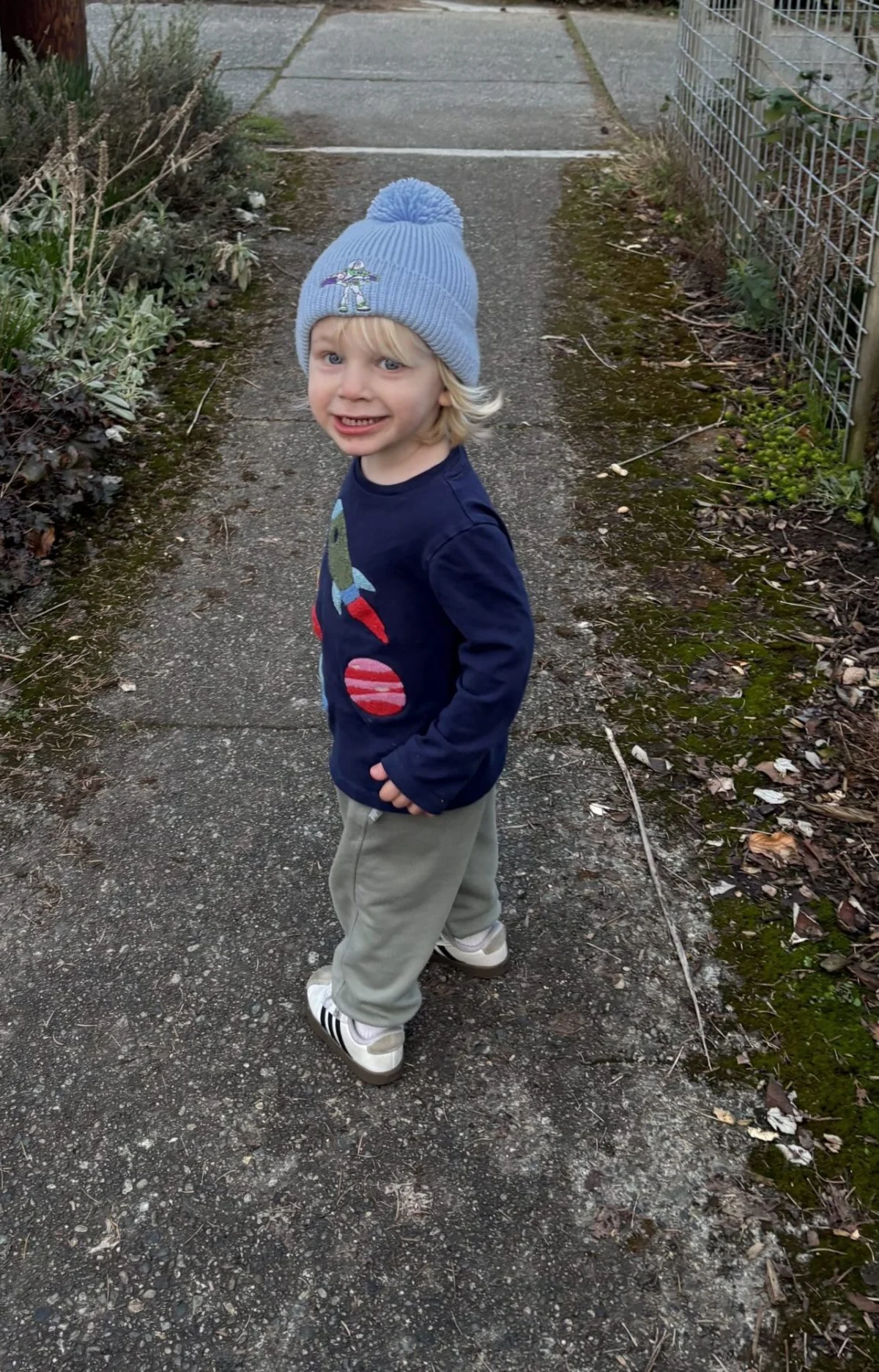
The journey toward effective management begins at the earliest possible stage of development. In Landon’s case, the process commenced following a failed newborn hearing screen at two months of age. Clinical investigations eventually revealed a specific genetic cause: a deletion involving the STRC and CATSPER2 genes. This particular genetic mutation typically affects the stereocilia in the inner ear, which are essential for converting sound waves into electrical signals for the brain. For individuals with this condition, higher-frequency sounds—such as the sibilant "s" or the ambient noise of running water—become significantly more difficult to distinguish.
By the age of 17 months, Landon was fitted with hearing aids to bridge the gap in his auditory perception. However, the medical diagnosis was only the first step. Recognizing that hearing loss impacts more than just the ability to hear, his family engaged with Listen and Talk when Landon was just three months old. This partnership highlights the critical nature of the "Birth to Three" intervention window, a period during which the brain’s neuroplasticity is at its peak, making it the most effective time to introduce strategies that facilitate language acquisition and auditory processing.
The Role of Specialized Support Services
The success of early intervention is largely predicated on the expertise of specialists who bridge the gap between clinical settings and the home environment. Specialists provide parents with the tools to troubleshoot hearing technology, enhance speech-sound access, and refine reading techniques that reinforce literacy. Beyond the home, these professionals act as liaisons to school environments.
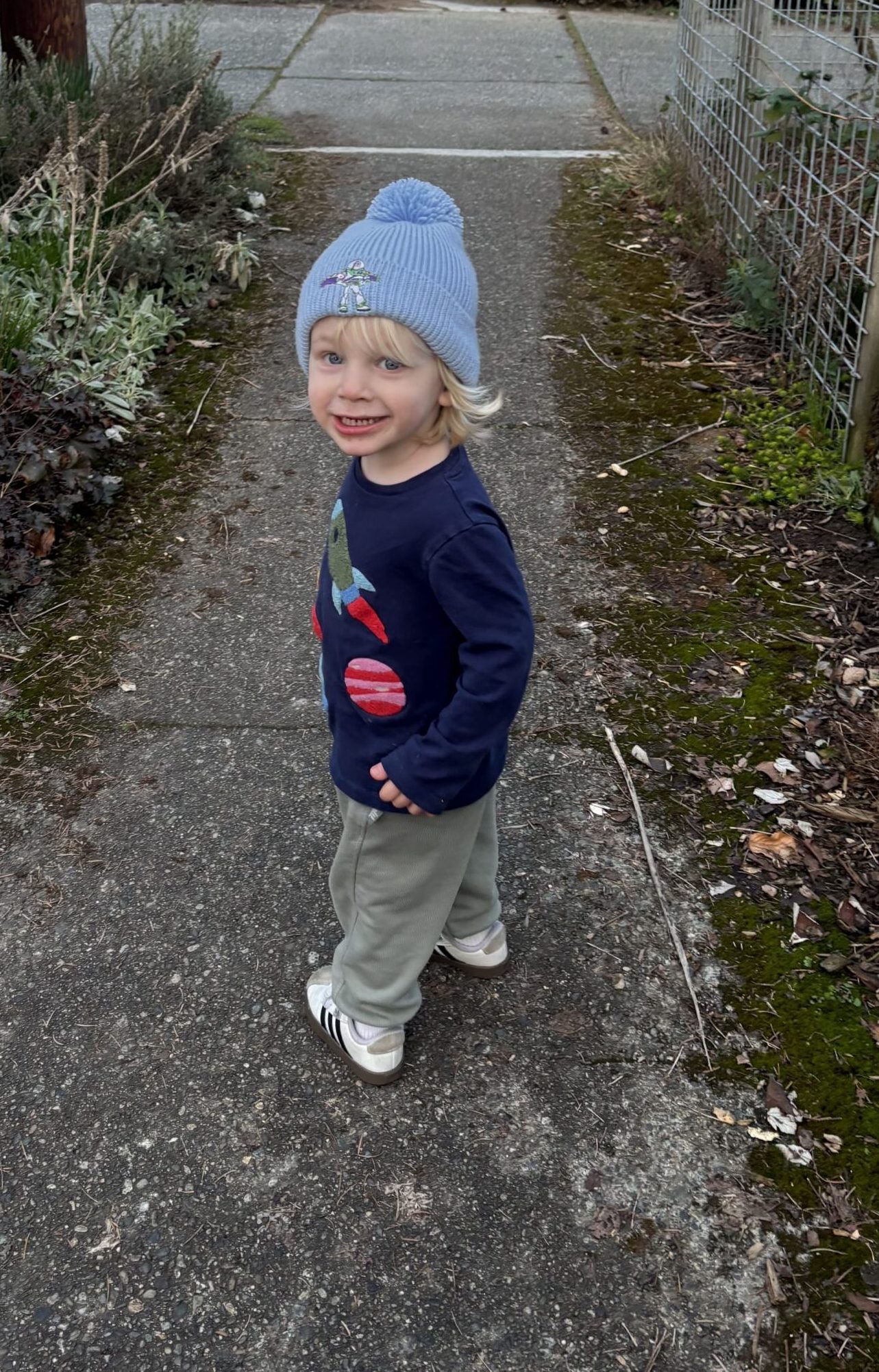
In the case of preschool-aged children, teachers are often unequipped to manage the nuances of hearing fatigue—the mental exhaustion that results from the constant, increased cognitive effort required to process incomplete auditory information. Strategic interventions, such as positioning the child closer to the instructor and reducing background noise, have been shown to significantly improve classroom engagement. These environmental modifications, when implemented consistently, allow children to focus their energy on learning rather than decoding speech, preventing the social withdrawal often associated with untreated hearing loss.
The Impact of Blended Classrooms
A modern pedagogical approach gaining traction in special education is the "blended classroom" model. This environment integrates children with hearing loss with typically hearing peers, fostering a naturally stimulating, language-rich atmosphere. The primary benefit of this integration is the dual development of academic proficiency and self-advocacy.
By interacting with hearing peers, children with hearing loss learn to articulate their needs, manage their assistive devices, and develop the confidence to navigate mainstream educational settings. This is a crucial transitionary step toward kindergarten and beyond. Research consistently indicates that children who learn to advocate for their communication needs early are more likely to achieve parity with their peers in academic performance and social integration. The blended model removes the stigma of "pull-out" services by embedding them within the natural flow of the school day, treating speech therapy as a standard part of the educational curriculum rather than an isolating event.
Data and Prevalence: The Broader Context
Hearing loss remains one of the most common congenital conditions in the United States. According to the Centers for Disease Control and Prevention (CDC), approximately 1.7 per 1,000 infants are born with permanent hearing loss. While newborn screening has become the standard of care, the subsequent steps—diagnosis, fitting of amplification, and enrollment in intervention programs—remain uneven across different regions and socioeconomic groups.
The implications of early intervention are well-documented. Studies published in the journal Pediatrics have demonstrated that children with hearing loss who receive intervention before six months of age exhibit significantly higher language quotients and social-emotional development scores compared to those who receive intervention later. The cumulative effect of these early services is a measurable reduction in the achievement gap, allowing these children to participate fully in general education classrooms without the need for intensive remedial services in later grades.
Economic and Social Implications
The societal impact of supporting organizations that provide these services is profound. Early intervention is not merely a clinical necessity; it is an economic imperative. By funding speech therapy, audiological testing, and parent education, institutions can reduce the long-term public costs associated with special education services, behavioral health support, and lost productivity in adulthood.
Furthermore, the model of "social impact enterprise" used by organizations like Listen and Talk emphasizes the role of philanthropy in sustaining these programs. Because public funding often falls short of the comprehensive support required—especially for specialized technology and individualized, one-on-one therapy—private contributions remain a vital lifeline. Donations directly facilitate the training of specialists and the maintenance of modern, acoustically treated classrooms that are essential for the success of children with conditions such as microtia atresia or genetic sensorineural hearing loss.
Advocacy as a Life-Long Skill
The ultimate objective of modern intervention is to ensure that "no child is limited by hearing loss." This vision is achieved when a child graduates from early intervention programs with the capacity to communicate effectively in a variety of environments. Advocacy is the key metric of this success. When a child learns to inform a coach, a peer, or a future employer that they need to be facing forward to be heard, or that they require a quieter environment to process instructions, they are utilizing the skills learned through years of specialized support.
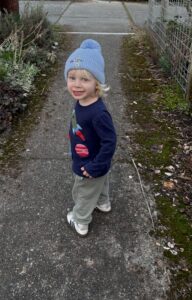
As children like Landon progress through their academic careers, the focus shifts from the initial shock of diagnosis to the celebration of milestones. Improved vocabulary, clearer articulation, and the successful navigation of social dynamics are the outcomes of a proactive, multidisciplinary approach. For parents, this journey represents a transition from managing a crisis to fostering a capable, independent individual.
Conclusion
The case of Landon serves as a microcosm of the larger effort to provide equitable education for the deaf and hard-of-hearing community. By combining early clinical identification with long-term, supportive educational models, the barriers presented by genetic or congenital hearing loss can be significantly lowered. As educational and medical institutions continue to evolve, the focus must remain on the integration of these children into the broader society, ensuring that the necessary tools for communication are as accessible as the environment they inhabit. Through continued public support and the implementation of evidence-based pedagogical strategies, the goal of a barrier-free educational experience is increasingly within reach for families navigating these uncharted waters.