A Chronology of Awareness: From Tinnitus Week to Festival Stages
The push for safer listening environments gained significant momentum in February 2026 during Tinnitus Week. This period marked a strategic shift in how the industry approaches sound, moving from reactive measures to proactive education. The release of the Amplifying Awareness report served as a catalyst, synthesizing data from a diverse cohort of stakeholders, including touring musicians, sound engineers, festival promoters, and dedicated music fans.

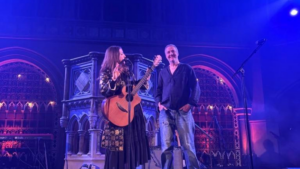
The report highlighted a systemic need for reform, arguing that the "culture of silence" surrounding hearing damage in the music industry must be replaced by a culture of transparency and protection. This was physically manifested at London’s Union Chapel during the Quiet Night Out concert. By utilizing controlled sound design, the event demonstrated that high-fidelity audio could be maintained at safe levels, effectively challenging the long-held industry myth that volume is the sole proxy for quality or impact.
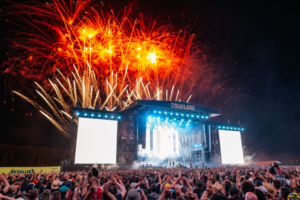
Following this, the campaign moved into the summer festival circuit, a high-stakes environment where cumulative noise exposure is at its peak. Partnerships with major events such as Download Festival established a direct line of communication with thousands of attendees, normalizing conversations about tinnitus—a condition that affects millions of UK adults—and promoting the use of protective equipment.
Data-Driven Insights and the Scope of the Problem
The necessity of these interventions is underscored by stark statistical findings. Research conducted by Tinnitus UK indicates that approximately 92% of regular gig-goers experience temporary threshold shifts—manifested as ringing in the ears or temporary hearing loss—following live music events. More alarmingly, 40% of those surveyed reported that this ringing becomes a persistent or recurrent issue.
The implications for long-term public health are significant. Chronic exposure to high-decibel environments, such as those found near concert speakers, causes permanent damage to the delicate hair cells in the cochlea. Unlike many other physical injuries, this damage is irreversible. When translated into economic and social terms, the loss of hearing health limits a person’s ability to engage with the world, impacting career longevity for professionals in the music industry and diminishing the quality of life for fans.
Advancing Global Standards at ArcTanGent
At the ArcTanGent Festival, the conversation transitioned from awareness to technical implementation. In collaboration with the Manchester Centre for Audiology and Deafness (ManCAD), the festival served as a laboratory for testing the World Health Organization’s (WHO) Global Standard for Safe Listening.
This project was comprehensive in scope. It involved rigorous sound level monitoring, the redesign of PA system positioning, the establishment of dedicated "quiet zones" for attendee respite, and mandatory training for staff on noise management. Dr. Samuel Couth, a lecturer at ManCAD, noted that the objective was to move beyond theory. "Live music is such an important part of our culture," Dr. Couth stated, "but we want to put hearing health into practice. We are proving that you do not have to sacrifice the intensity of a live performance to maintain a safe environment for your ears."
The data gathered from ArcTanGent provides a roadmap for future festivals. By measuring the efficacy of these interventions, researchers are helping to create a set of best practices that can be adopted by the wider industry, effectively standardizing safety without stifling the creative energy of the performances.
Institutional Support and Industry Responsibility
The movement has received backing from independent festivals that serve as cultural bellwethers. Shambala Festival, for instance, has integrated hearing health into its operational ethos. Recognizing that its workforce—including stage crew and technicians—is at high risk, Shambala has implemented strict protocols, including mandatory hearing protection zones and enforced rest periods away from amplified sound.
The response from the audience has been equally telling. Testimonies from long-term concert-goers reflect a growing realization that "toughing it out" is an outdated approach. One attendee shared, "I’ve had mild tinnitus for years. By wearing ear protection and keeping a sensible distance from speakers, I no longer come home with ears ringing for days. It has actually allowed me to pay closer attention to the detail in the music I love."
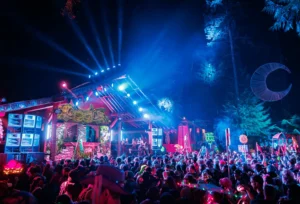
This shift in attitude is being echoed by festival organizers who see protecting their patrons as a long-term sustainability issue. As the team at Shambala noted, "Looking after our hearing means we can keep enjoying, and making, music for years to come."
Regional Media and Public Education
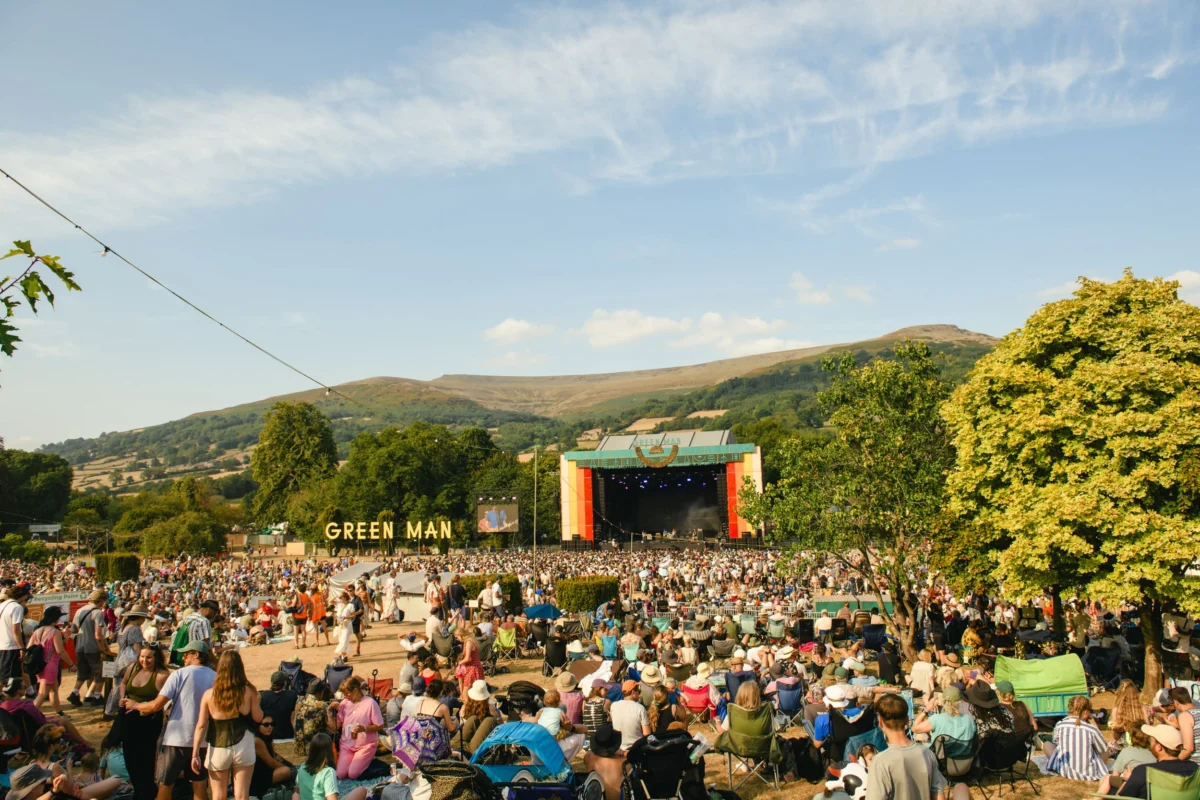
As the summer progressed, the message reached a broader audience through regional media coverage, particularly surrounding the Green Man Festival in August. Experts from Tinnitus UK utilized these platforms to disseminate practical, low-barrier advice. These recommendations included:
- High-Fidelity Protection: Moving away from standard foam plugs, which can muffle sound, toward high-fidelity filtered earplugs that maintain frequency balance while lowering volume.
- Strategic Positioning: Avoiding the "front row" syndrome, where decibel levels are highest, and instead utilizing areas where sound dispersion is more uniform.
- Hydration and Recovery: Recognizing that the body—including the auditory system—requires hydration and intervals of silence to recover from intense stimulation.
- Cumulative Awareness: Understanding that a three-day festival requires a different approach to hearing health than a two-hour concert.
Broader Implications: A Shift in Live Music Culture
The ongoing efforts at events like Reading & Leeds underscore a crucial point: the campaign is not an attempt to sanitize the concert experience. Rather, it is an attempt to professionalize the way we interact with sound. The goal is to move the industry toward a model where high-volume music is a choice, not a default hazard.

The broader implications of this work are profound. If the UK live music industry can successfully integrate these WHO standards, it sets a global precedent. It suggests that the responsibility for hearing health is shared: promoters must design safer spaces, artists must be conscious of their sound levels, and fans must be empowered with the knowledge and tools to protect themselves.
As the industry looks toward the 2027 season and beyond, the focus will likely remain on the normalization of these practices. When wearing ear protection at a festival becomes as common as wearing sunglasses, the industry will have succeeded in creating a sustainable environment for its most precious asset: the listener. The movement initiated in 2026 proves that the future of live music is not found in quieter performances, but in smarter, more informed, and more inclusive sound management. The music will continue to be loud, the bass will continue to hit, but the legacy of the performance will no longer be measured in the ringing of ears, but in the enduring ability to appreciate the art form for decades to come.