
The Triad of Aging: Hearing, Sociality, and Memory
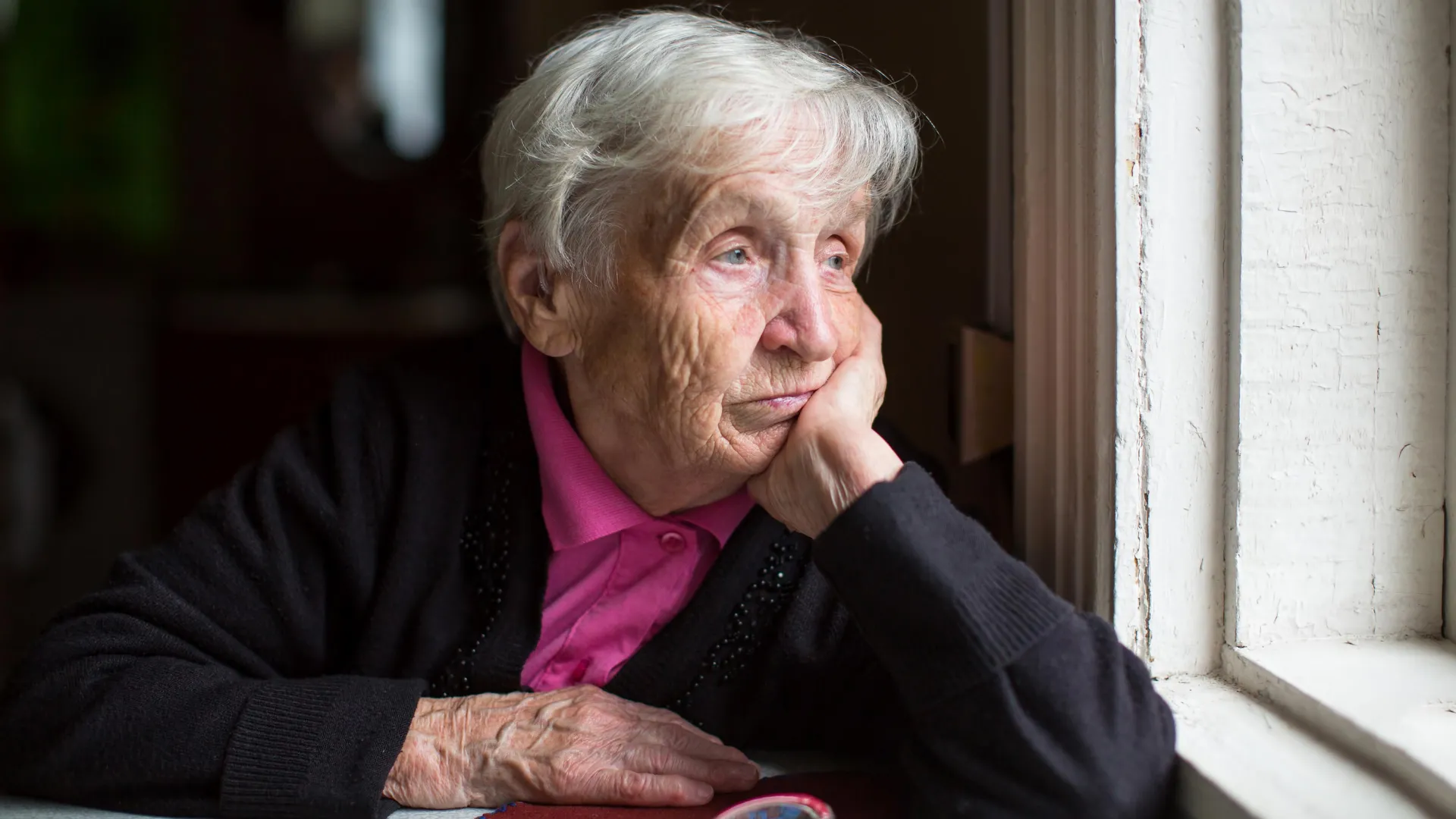
Hearing impairment is more than a simple sensory deficit; it is a profound disruptor of daily life that affects communication, safety, and psychological stability. As individuals age, the gradual loss of auditory acuity can lead to reduced alertness and a sense of detachment from the environment. However, the UNIGE study suggests that the biological impact of hearing loss is heavily mediated by an individual’s social and emotional state. While previous research has established a link between hearing loss and dementia, the Geneva team sought to determine whether the perception of loneliness acts as a catalyst for this decline.
The researchers focused on episodic memory—the ability to recall specific events, times, and places—which is often one of the first cognitive functions to show signs of deterioration in the early stages of dementia. By analyzing how hearing loss interacts with different social profiles, the study provides a nuanced view of why some individuals experience rapid cognitive fading while others remain resilient. The results indicate that hearing loss is most damaging to memory when the individual experiences a subjective sense of loneliness, regardless of their actual level of social activity or the size of their social network.
Methodology and the Longitudinal Scope of the SHARE Study
To achieve the necessary depth and scale, the UNIGE research team utilized data from the Survey of Health, Ageing and Retirement in Europe (SHARE). Launched in 2002, SHARE is a massive longitudinal research project designed to track the health, socio-economic status, and social networks of individuals aged 50 and older across the European continent. This database allows researchers to observe changes in the same individuals over decades, providing a "living" history of the aging process.
The UNIGE study specifically analyzed data from 33,000 participants across 12 countries, including Switzerland, Germany, France, and Italy. Andreas Ihle, an assistant professor at the Lifespan Developmental Psychology Lab and the director of the study, emphasized the importance of this cross-border data. Participants in the SHARE study are surveyed every two years, undergoing a battery of tests that include standardized exercises for episodic memory and self-reporting on their social connections and feelings of isolation. This two-year interval allowed the UNIGE team to map the trajectory of cognitive decline with high precision, correlating the onset of hearing difficulties with subsequent drops in memory performance.
Defining the Three Social Profiles
A central innovation of the UNIGE study was the categorization of participants into three distinct profiles based on their social circumstances. This allowed the researchers to separate the objective reality of being alone from the subjective feeling of loneliness:
- The Socially Integrated and Emotionally Connected: Individuals who maintain frequent social contact and do not report feelings of loneliness.
- The Objectively Isolated but Emotionally Resilient: Individuals who may live alone or have few social contacts but do not perceive themselves as lonely.
- The Subjectively Lonely despite Social Integration: Individuals who are part of a social network or live with others but feel a deep sense of emotional disconnect or loneliness.
The findings revealed a striking disparity between these groups. The researchers found that individuals in the third group—those who felt lonely despite being socially integrated—experienced the most aggressive acceleration of cognitive decline when hearing loss was present. This suggests that the psychological distress of loneliness may create a state of chronic stress or "cognitive load" that, when combined with the brain’s struggle to process degraded auditory signals, exhausts the neural resources required to maintain memory.
Supporting Data: The Global Burden of Hearing Loss
The implications of the UNIGE study are underscored by sobering statistics from the World Health Organization (WHO). Current projections indicate that by 2050, nearly 2.5 billion people worldwide will live with some degree of hearing impairment. Among the population over the age of 60, more than 25% already suffer from disabling hearing loss. The Lancet Commission on Dementia Prevention, Intervention, and Care has previously identified hearing loss as the single largest potentially modifiable risk factor for dementia in midlife, accounting for roughly 8% of all cases.
The UNIGE study adds a critical layer to this data by demonstrating that the risk is not uniform. While hearing loss alone may increase the risk of cognitive decline by two to three times, the presence of subjective loneliness acts as a multiplier. For the millions of aging adults who feel disconnected from their communities or families, the inability to hear clearly acts as a final barrier that seals their cognitive fate.
The Biological and Psychological Mechanisms
Scientists have proposed several theories to explain why hearing loss and loneliness form such an "explosive cocktail" for the brain. One leading theory is the "Cognitive Load Hypothesis." When hearing is impaired, the brain must redirect significant resources toward decoding sound and speech. This leaves fewer resources available for encoding information into memory. When an individual also feels lonely, the brain is further taxed by the emotional processing of distress and the lack of stimulating, meaningful dialogue that keeps neural pathways active.
Another theory is the "Social Withdrawal Hypothesis." Hearing loss makes social interactions exhausting and often embarrassing. If an individual already feels lonely, they are more likely to withdraw from social situations to avoid the struggle of communication. This withdrawal leads to "environmental impoverishment"—a lack of the sensory and intellectual stimulation that is vital for maintaining cognitive reserve. Matthias Kliegel, a professor in the Cognitive Ageing Laboratory at UNIGE and co-author of the study, noted that for those who are socially integrated but feel lonely, hearing loss creates a sensory barrier that prevents them from benefiting from the social support systems already in place.
Expert Commentary and Official Responses
The research team at the University of Geneva has been vocal about the practical applications of their findings. Charikleia Lampraki, a postdoctoral researcher and the study’s first author, highlighted that the findings offer a clear pathway for intervention. "These individuals are already socially integrated, so it’s a matter of removing a sensory barrier in order to reinforce their engagement and protect their cognitive health," she explained.
Geriatricians and public health advocates have reacted to the study by calling for more aggressive screening protocols. Traditionally, hearing checks are not a standard part of routine cognitive screenings for the elderly. Experts suggest that by identifying hearing loss early and addressing the psychological components of loneliness, healthcare providers could potentially delay the onset of memory-related disorders. The consensus among the research team is that hearing aids should not be viewed merely as "audio amplifiers" but as "cognitive preservation tools."
Broader Impact and Public Policy Implications
The UNIGE study has significant implications for public health policy, particularly in countries with rapidly aging populations. If hearing aids and social engagement programs can demonstrably slow cognitive decline, the economic argument for subsidizing hearing care becomes overwhelming. The cost of managing dementia and long-term memory care far exceeds the cost of early hearing interventions.
Furthermore, the study suggests that "social prescribing"—where doctors prescribe social activities or support groups—must be paired with sensory health assessments. For an elderly person feeling lonely in a nursing home or a community center, a social club is of little use if they cannot hear the conversation. Addressing the sensory barrier is a prerequisite for the success of social interventions.
Conclusion: A Case for Preventive Hearing Care
The research conducted by the University of Geneva serves as a definitive call to action for early and preventive hearing care. By identifying the specific vulnerability of those who feel lonely, the study provides a roadmap for targeted interventions. The "explosive" combination of isolation and deafness is not an inevitable part of aging; rather, it is a manageable risk factor.
As the global medical community continues to seek a cure for Alzheimer’s and other forms of dementia, the UNIGE findings remind us that some of the most effective tools for preserving the human mind are already available. Restoring the ability to hear and fostering a sense of emotional connection may be among the most powerful defenses we have against the erosion of memory in later life. The study concludes that by removing the sensory barriers to social engagement, we can protect the cognitive health of millions, ensuring that aging is defined not by decline, but by continued connection and clarity.