
Program Eligibility and Financial Framework
The MIWISH program is specifically designed to alleviate the financial barriers that often prevent smaller organizations from implementing high-cost safety improvements. To qualify for these matching funds, an employer must maintain a total workforce of no more than 250 employees companywide. This cap ensures that the resources are directed toward businesses that may lack the deep capital reserves of larger corporations but face the same regulatory mandates for workplace safety.
The "matching" nature of the grant requires that the employer provide a dollar-for-dollar investment for any equipment or training program proposed. For instance, if an employer requests the maximum grant of $5,000, they must demonstrate an equal expenditure of $5,000, bringing the total project value to $10,000. This structure is intended to foster a sense of ownership and accountability on the part of the employer, ensuring that they are fully invested in the integration of the safety equipment into their daily operations.

Strategic Prioritization of Hazards
MIOSHA does not distribute these funds on a first-come, first-served basis without regard to the nature of the work performed. Instead, the agency utilizes a strategic prioritization model that aligns with its broader regulatory and safety objectives. Projects that address "high-hazard" industries—as defined by MIOSHA’s current strategic plan—receive top-tier consideration.
Furthermore, the agency specifically incentivizes projects that align with state and national emphasis programs. These programs are established to combat recurring safety issues that contribute to the highest rates of workplace mortality and morbidity. Key areas of focus for the 2026-27 cycle include, but are not limited to:

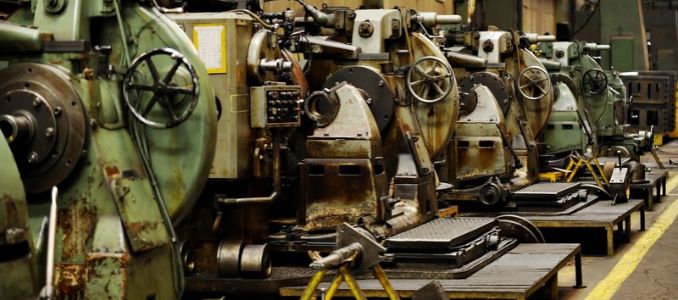
- Amputation Prevention: Utilizing machinery guards and safety interlocks.
- Heat Illness Mitigation: Implementing cooling stations, hydration programs, and monitoring equipment for outdoor and industrial workers.
- Trenching and Excavation Safety: Providing shoring, shielding, and slope-monitoring tools to prevent catastrophic collapses in the construction sector.
Applicants must do more than simply request funding; they are required to conduct a formal assessment of their current worksite conditions. This "hazard justification" must clearly demonstrate how the proposed equipment will mitigate a specific, identified risk. Additionally, applicants must prove they possess the internal expertise or access to professional training necessary to deploy the equipment effectively. A piece of safety gear is only as effective as the worker trained to use it, and MIOSHA emphasizes that the grant is as much about the knowledge as it is about the hardware.
A Historical Overview of the MIWISH Initiative
The MIWISH program is a key component of Michigan’s long-term strategy to reduce the rate of workplace injuries and fatalities. Historically, the program has evolved from a small pilot project into a staple of the state’s industrial health strategy. By providing targeted funding, the state has been able to help businesses transition from outdated, hazardous practices to modern, safe workflows.

During the previous fiscal year, 2025-26, MIOSHA successfully distributed $500,000 among 129 diverse employers. The data from that cycle provides a clear snapshot of where the most pressing needs exist within the state economy. The construction sector emerged as the leading recipient of funds, reflecting the inherently dangerous nature of site-based labor and the frequent introduction of new regulatory requirements. Other sectors, including manufacturing, agriculture, and warehousing, also utilized the funds to upgrade essential safety apparatus.
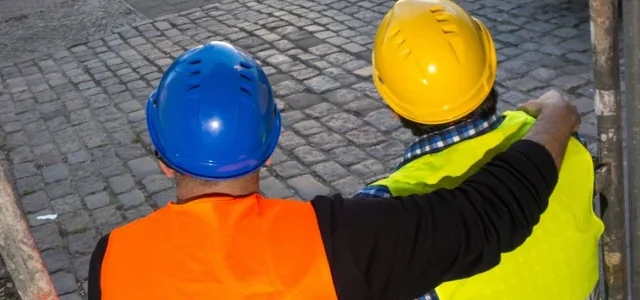
Typical procurement lists from past cycles have included a wide array of personal protective equipment (PPE). Among the most common items purchased were high-grade helmets, cut-resistant gloves, specialized protective eyewear, high-visibility apparel for night or traffic-adjacent work, and advanced fall-protection harnesses. These investments may seem incremental to large firms, but for a company with 20 or 50 employees, a $5,000 injection can mean the difference between maintaining a safe environment and exposing workers to unnecessary risk.

The Broader Impact on Workplace Safety Culture
The implications of the MIWISH program extend beyond the physical equipment acquired. By incentivizing safety, MIOSHA is actively encouraging a cultural shift within the Michigan small-business community. When a business owner goes through the process of auditing their site, identifying a risk, and applying for state support, they are engaging in a proactive safety management process. This process often leads to better record-keeping, increased awareness among staff, and a more robust safety culture that persists long after the specific piece of equipment has been installed.
From a macroeconomic perspective, the program is a cost-effective intervention. Workplace injuries are a significant drain on the economy, contributing to lost productivity, increased insurance premiums, and the long-term financial burden of medical care for injured workers. By subsidizing the cost of safety, the state helps keep workers healthy and on the job, which stabilizes the local economy and reduces the burden on public health systems.

Navigating the Application Process
For employers interested in the current cycle, the process is streamlined but rigorous. With the application window now open as of early October, the agency expects a high volume of requests. It is important for potential applicants to note that awards will continue to be distributed until the allocated funds are exhausted. Historically, the program has seen periods of high demand, making it advisable for businesses to submit their proposals early.
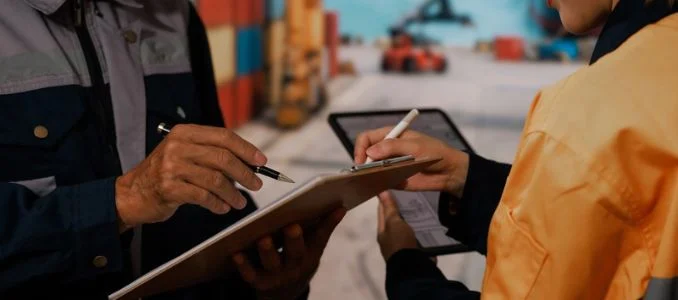
The application requires a comprehensive project narrative. Employers must articulate the "why" behind their request. For example, if a firm is requesting funds for a new fall-protection system, the application should include documentation of current heights-related tasks, a description of existing limitations, and an analysis of how the new equipment will reduce the risk of a fall-related injury. MIOSHA safety consultants are available to provide guidance on the application process, ensuring that the proposals are not only compliant with regulations but also genuinely effective in their safety outcomes.

Addressing Emerging Workplace Trends
As technology and work environments continue to change, so too does the nature of workplace hazards. The 2026-27 cycle of the MIWISH program is designed to be flexible enough to address these emerging trends. For instance, the increasing prevalence of heat-related illnesses due to changing climate patterns has prompted a renewed focus on environmental monitoring and cooling solutions. Similarly, the rapid adoption of automation in small-scale manufacturing has necessitated new approaches to machine guarding and robotic safety, areas where MIOSHA is ready to offer both technical support and matching grant funding.
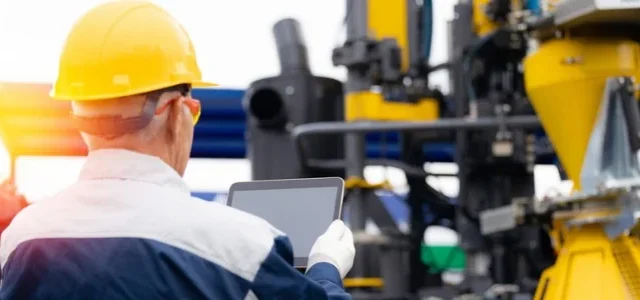
Furthermore, the integration of digital safety tracking tools—such as wearable devices that monitor for physical strain or proximity sensors on heavy machinery—is becoming more accessible for small businesses. MIOSHA’s support for these technologies represents a forward-thinking approach, ensuring that even the smallest Michigan employers are not left behind in the digital transformation of workplace safety.
Conclusion and Future Outlook
The MIWISH program stands as a testament to the belief that small business success and worker safety are mutually reinforcing goals. By providing a bridge between safety ambition and financial reality, the Michigan Occupational Safety and Health Administration continues to play a vital role in protecting the state’s workforce.
Employers are encouraged to review the specific criteria outlined on the official MIOSHA portal and to consult with local safety officers regarding the best way to utilize these matching funds. As the state moves further into the 2026-27 fiscal year, the success of this program will be measured not just in the number of helmets or harnesses purchased, but in the sustained reduction of workplace accidents and the continued growth of a culture of safety across Michigan’s diverse industrial landscape. The deadline for this cycle remains fluid, tied strictly to the availability of the allocated budget, making the current window a critical time for action for any business owner serious about upgrading their commitment to worker health.