
A Chronology of Clinical and Educational Milestones
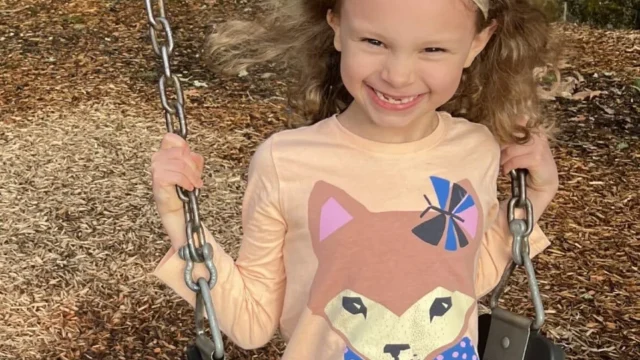
The timeline of Buckingham’s development began in 1994 when she was 22 months old. Following a diagnosis of pneumococcal meningitis—a severe bacterial infection that can lead to permanent sensorineural hearing loss—Buckingham experienced a sudden and profound decline in her auditory capabilities. In 1995, her family made the medical decision to pursue cochlear implantation at Seattle Children’s Hospital. At the time, this was a pioneering procedure, as the technology was still in its relative infancy regarding pediatric application.
In 1996, Buckingham enrolled in Listen and Talk, a Seattle-based center that provides early intervention and education for children who are deaf or hard of hearing. Working under the guidance of founder Star Leonard-Fleckman, Buckingham became one of the program’s inaugural pre-kindergarten students. This period was critical for her development; the curriculum focused on optimizing the use of her cochlear implant through structured auditory training. Over the subsequent years, she underwent a secondary procedure to receive a bilateral cochlear implant, a step that significantly enhanced her spatial hearing and ability to localize sound in complex environments.
Following her formative years at Listen and Talk, Buckingham pursued a traditional academic path, attending the Charles Wright Academy. She later enrolled at Stetson University, where she successfully completed a Bachelor of Science in Family Business with a minor in Management, graduating in 2014. Her current professional life as an assistant horse trainer in Middleton, Idaho, serves as a practical application of the life skills she developed throughout her childhood—resilience, communication, and the ability to navigate diverse social and professional environments.
The Science of Listening and Spoken Language (LSL)
The success of students like Buckingham is supported by a growing body of data surrounding the LSL approach. According to the Alexander Graham Bell Association for the Deaf and Hard of Hearing, children who receive early intervention, including access to high-quality hearing technology and specialized therapy, are significantly more likely to achieve language skills commensurate with their hearing peers by the time they reach school age.

The "critical period" for brain plasticity in children typically occurs within the first three years of life. During this window, the auditory cortex requires consistent stimulation to develop the neural pathways necessary for language acquisition. For children with profound hearing loss, the delay in receiving technology can result in a permanent developmental gap. Buckingham’s case highlights the necessity of the "early" in "early intervention." By beginning her specialized instruction at age two—less than six months after her initial diagnosis—she was able to capitalize on this developmental window, ensuring that her spoken language skills were not stifled by her auditory limitations.
Medical and Educational Collaboration
The integration of clinical audiology and educational support was the cornerstone of Buckingham’s success. The partnership between Seattle Children’s Hospital, the University of Washington Medical Center, and the pedagogical staff at Listen and Talk provided a multidisciplinary framework that is now considered the gold standard for pediatric hearing care.
Medical professionals focus on the "hardware"—the calibration of the cochlear implant and the monitoring of the internal and external components—while educators focus on the "software," or the cognitive and social strategies required to interpret auditory signals. This tandem approach ensures that a child is not merely hearing sounds, but is actively processing and assigning meaning to them. For parents, this requires a high degree of dedication. Buckingham’s parents were instrumental in this process, participating in ongoing training and ensuring that the home environment was conducive to constant auditory engagement.
Broader Societal and Economic Implications
The implications of successful early intervention extend beyond the individual. Research conducted by the Journal of Deaf Studies and Deaf Education indicates that individuals who receive robust early intervention are more likely to pursue higher education and secure gainful employment compared to those who do not have access to such services.
By facilitating the integration of children with hearing loss into the mainstream educational and professional workforce, organizations like Listen and Talk contribute to a more inclusive economy. Buckingham’s professional career as an equestrian instructor requires a high level of situational awareness, verbal communication with clients, and the ability to operate in a high-stakes, fast-paced environment. Her success proves that with the appropriate tools, hearing loss does not necessitate a limitation on career aspirations or professional achievement.
The Role of Alumni and Community Giving
In response to the long-term success stories of their graduates, institutions like Listen and Talk often rely on the continued involvement of their alumni. The organization’s 2025 Alumni Family Giving Campaign is designed to sustain these essential services for the next generation of students.
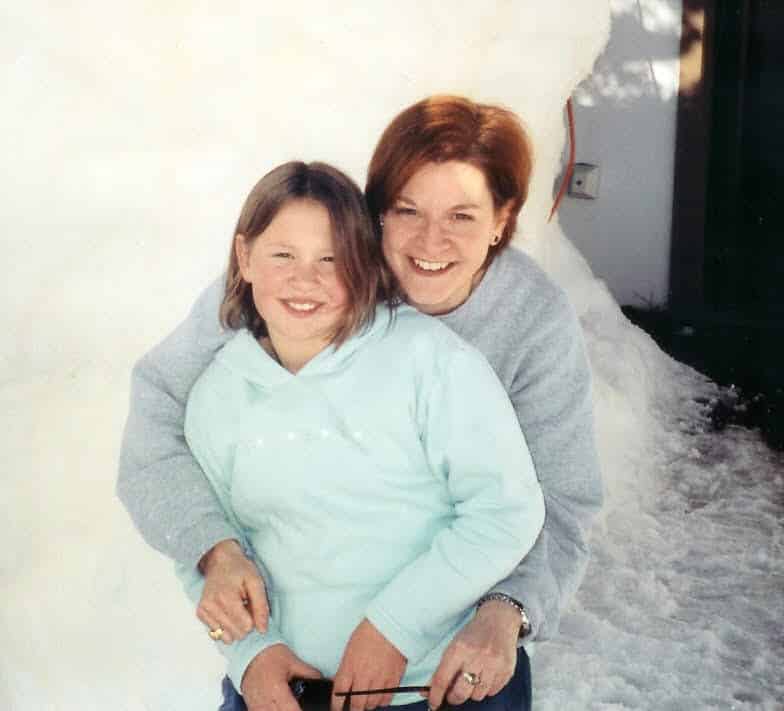
These programs are frequently funded through a combination of private donations, clinical billing, and educational grants. The financial commitment required to maintain high-quality audiological equipment, hire specialized speech-language pathologists, and conduct parent education classes is substantial. For alumni like Buckingham, giving back is not merely a philanthropic gesture; it is a recognition of the infrastructure that enabled their own personal and professional autonomy.
Reflecting on a Vision of No Limits
Buckingham’s advice to current families navigating a new hearing loss diagnosis is centered on three core pillars: patience, community, and persistence. She emphasizes that the process is not linear and that the "work" of developing language and listening skills is an iterative process that lasts for years.
"The tools provided by Listen and Talk were the foundation," Buckingham noted in reflections regarding her journey. "But the community—the ability to connect with other families who were walking the same path—made the process sustainable."
The success of students such as Buckingham offers a data-backed validation of the mission that "no child is limited by hearing loss." While challenges regarding medical access and the high cost of auditory technology remain, the model provided by the early intervention community continues to bridge the gap between diagnosis and potential. As the technology for cochlear implants continues to evolve, incorporating better sound processing and wireless connectivity, the baseline for what children with hearing loss can achieve continues to shift upward.
Ultimately, the story of Jordan Buckingham is one of transition—from a patient in a hospital room in 1995 to an independent professional in 2025. It serves as a testament to the fact that when medical advancement is paired with dedicated pedagogical support and parental involvement, the barriers once thought insurmountable by hearing loss are, in fact, entirely bridgeable. The focus of the broader community remains clear: to ensure that the early intervention resources that defined Buckingham’s childhood remain available, accessible, and effective for every child who follows in her footsteps.