

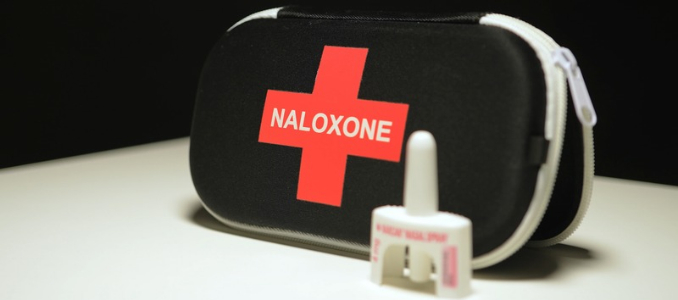
The proposed legislation, introduced in the House as H.R. 7479 and in the Senate as S. 3812, represents a significant shift in how federal regulators and private employers approach the intersection of substance use disorders and occupational safety. If enacted, the bill would mandate that OSHA develop nonmandatory guidance for the private sector while simultaneously imposing strict requirements on federal agencies to maintain life-saving opioid reversal medications, such as naloxone or nalmefene, on-site and provide mandatory annual training for staff.
The Growing Prevalence of Occupational Overdoses
Data released by the Bureau of Labor Statistics (BLS) highlights the urgency of this initiative. In 2024, the United States recorded 410 fatal occupational injuries linked to drug and alcohol overdoses. While this reflects a decrease from the 512 fatal incidents documented in 2023, safety experts caution against interpreting this decline as a sign that the crisis has abated. The figures, which encompass a broad spectrum of substance-related fatalities rather than being limited to opioids alone, underscore a persistent vulnerability in the modern workplace.
For decades, occupational safety standards were primarily focused on physical hazards—machinery, chemical exposure, and structural risks. However, the opioid epidemic has permeated every facet of American life, including the factory floor, the office, and the construction site. The NSC contends that the workplace is no longer a sanctuary from the broader societal crisis, and therefore, safety protocols must evolve to include medical emergency preparedness for drug-related incidents.
OSHA’s Regulatory Stance: Guidance vs. Mandate
On September 24, 2024, OSHA issued a formal fact sheet aimed at providing employers with a roadmap for mitigating the risks of workplace opioid overdoses. The guidance is advisory in nature, designed to empower employers to take proactive steps without imposing new compliance burdens or regulatory penalties.

Key recommendations in the OSHA fact sheet include:
- Strategic Placement: Ensuring that naloxone and nalmefene are stored in locations that are easily accessible to all employees, particularly in high-traffic areas or environments where the risk of exposure is higher.
- Inventory Management: Establishing a system for monitoring the expiration dates and availability of reversal medications.
- Preparedness Training: Educating staff on how to recognize the physiological signs of an opioid overdose and how to administer reversal agents correctly.
- Emergency Response Protocols: Reinforcing the necessity of calling 911 immediately after administering medication, as reversal agents have a limited duration of efficacy and may not address underlying medical complications.
OSHA’s decision to keep this guidance voluntary reflects a delicate balancing act. The agency aims to encourage safety without creating a regulatory environment that could lead to discriminatory hiring practices or the stigmatization of employees struggling with substance use. However, advocates for the WORK to Save Lives Act argue that the voluntary nature of this guidance makes it prone to neglect by employers prioritizing short-term cost-cutting over long-term safety culture.
Legislative Chronology and the Path to Reform
The journey toward the WORK to Save Lives Act began as stakeholders recognized that the overdose epidemic was increasingly bleeding into the labor force. The following chronology outlines the development of the current legislative push:

- Early 2023: Rising concern among health organizations regarding the number of unintentional drug-related deaths occurring at worksites leads to high-level discussions between the NSC and federal policymakers.
- Late 2023: Preliminary draft language for the WORK to Save Lives Act is circulated, focusing on the dual goals of federal agency mandates and private-sector support.
- March 2024: H.R. 7479 and S. 3812 are officially introduced in Congress, garnering bipartisan interest due to the non-partisan nature of workplace safety.
- September 2024: OSHA issues its formal fact sheet on opioid overdose preparedness, providing a regulatory foundation for the discussions surrounding the bill.
- Post-September 2024: The NSC and the GHAI increase pressure on Congress to move the bills from committee to a floor vote, citing the OSHA guidance as proof of the government’s recognition of the problem.
Analysis: The Impact of Workplace Preparedness
The fundamental question raised by this legislative effort is whether the workplace should function as a satellite for public health interventions. Critics of the bill have occasionally pointed to the potential for legal liability or the burden of training employees on medical procedures outside their job descriptions.
However, proponents argue that the presence of naloxone in a workplace is no different from the presence of an Automated External Defibrillator (AED) or a first-aid kit. An AED is designed to save lives during a cardiac event; similarly, naloxone is designed to save lives during an opioid-related medical emergency. The argument is that if the tools to save a life are readily available and the cost is relatively low, the failure to provide those tools is a failure of basic safety management.
Furthermore, the economic implications of workplace overdoses are profound. Beyond the tragic loss of life, employers face significant productivity losses, recruitment and training costs, and the psychological impact on the workforce following a fatal incident. By institutionalizing overdose response, companies can potentially mitigate the long-term disruptions associated with the opioid crisis.

The Role of Federal Agencies as Leaders
A core component of the WORK to Save Lives Act is the requirement for federal agencies to lead by example. By mandating that federal workplaces maintain reversal medication and provide training, the government signals that these measures are standard practice rather than optional charity.
Federal agencies possess the infrastructure to implement these changes systematically. If the bill passes, it would provide a model for the private sector to emulate. The NSC suggests that if the federal government demonstrates success in reducing workplace mortality through these mandates, private companies will be more likely to adopt similar policies voluntarily, thereby creating a cascading effect across the national labor market.
Stakeholder Perspectives and Future Outlook
The National Safety Council has been a vocal proponent of this legislation, emphasizing that "safety is a core value" that must be applied to all life-threatening situations. Their collaboration with the Global Health Advocacy Incubator underscores the multidisciplinary approach required to solve this problem—combining public health strategy with industrial safety standards.

For employers, the transition toward being "overdose-ready" involves more than just purchasing kits. It requires a fundamental shift in corporate culture that destigmatizes addiction. The OSHA guidance emphasizes that employers should view the availability of naloxone as a component of their overall injury and illness prevention program.
As the legislative session continues, the focus remains on whether the WORK to Save Lives Act can secure the necessary momentum to reach the President’s desk. Given the data provided by the BLS—which confirms that hundreds of workers lose their lives annually to substance-related incidents—the urgency for such a bill is supported by clear statistical evidence.
The intersection of workplace safety and public health is evolving. As the labor force continues to face the challenges of the 21st century, the ability of organizations to adapt to the realities of the drug epidemic will be a defining factor in their commitment to employee wellness. Whether through the passage of the WORK to Save Lives Act or the broader adoption of OSHA’s voluntary guidance, the message to employers is clear: the safety of the workforce is inextricably linked to the ability to respond to medical emergencies, including those caused by the opioid crisis.

In conclusion, the dual approach of legislative mandate and federal guidance represents the current state of national strategy regarding occupational substance-related safety. While the debate over the extent of government involvement continues, the consensus among safety professionals remains that doing nothing is no longer a viable option in an era where the workplace must be prepared to respond to the realities of a changing public health landscape.