The necessity for such an organization is underscored by stark epidemiological data. According to clinical research, approximately 10% to 15% of the UK adult population experiences persistent tinnitus. For a significant portion of these individuals, the condition is severe enough to cause significant distress, leading to comorbidities such as anxiety, depression, and social withdrawal. Despite its prevalence, tinnitus remains a complex, heterogeneous condition with no single "cure," making the need for sustained research and informed patient advocacy more critical than ever.
A Legacy of Advocacy and Support
The origins of Tinnitus UK—formerly known as the British Tinnitus Association—date back to the late 1970s. Founded by a group of individuals who recognized that patients were often told to "simply live with it," the organization has spent decades bridging the gap between clinical research and patient care. Over the last forty years, the organization has evolved from a small support group into a multifaceted charity that funds medical trials, provides professional training, and pushes for better healthcare policies at the governmental level.
The current membership model serves as the financial and democratic backbone of this work. By contributing an annual fee of £30, members provide the charity with the autonomy to pursue long-term projects that are often overlooked by public health funding streams. This membership is more than a donation; it is a stake in the future of auditory science.
The Membership Experience: Beyond the Welcome Pack
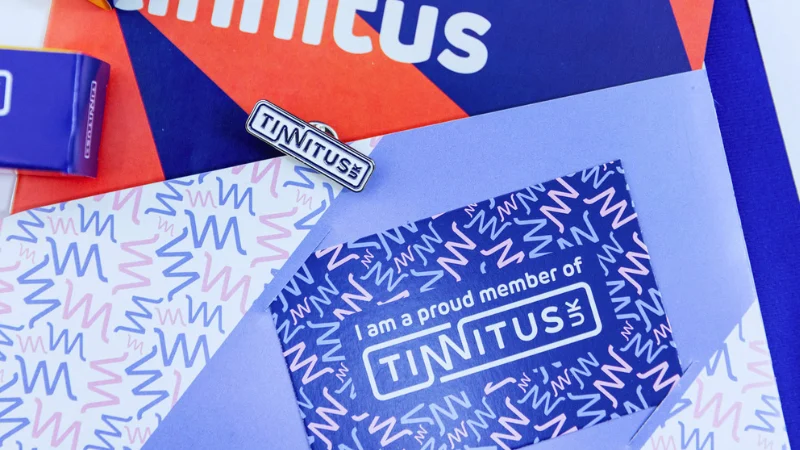
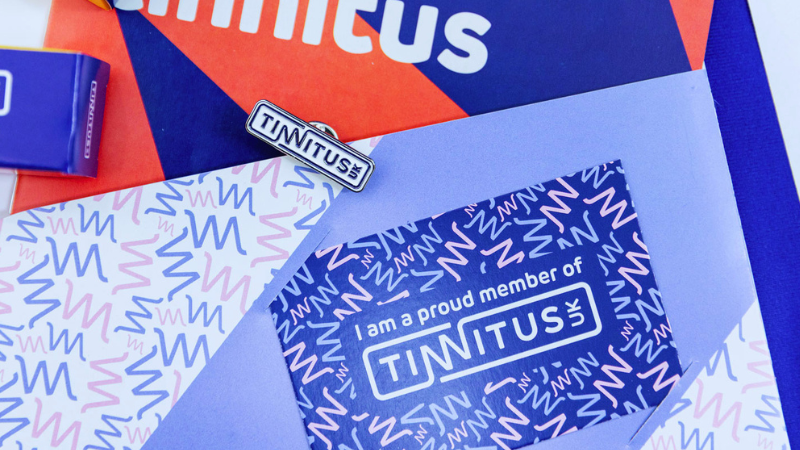
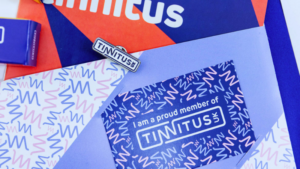
When an individual joins Tinnitus UK, the relationship begins with a comprehensive welcome pack designed to provide immediate relief and practical knowledge. This includes a personal welcome letter, a membership card, and a formal pin badge, which serves as a symbol of shared experience. Perhaps most importantly, members receive the "Living with Tinnitus" guide. This document is the result of years of clinical refinement, offering evidence-based strategies for managing the psychological and physiological impacts of the condition.
The guide covers cognitive behavioral therapy (CBT) techniques, sound therapy options, and lifestyle modifications that have been proven to help habituation. By providing this resource immediately upon enrollment, the charity ensures that new members are equipped with the tools to take control of their auditory health from day one.
Integrating Science and Community: The Webinar Program
One of the most significant advantages of the membership is exclusive access to live webinars. These sessions serve as a bridge between high-level medical research and the patient community. Hosted by leading audiologists, neuroscientists, and psychological therapists, these webinars allow members to stay abreast of the latest clinical trials and therapeutic breakthroughs.
A unique feature of these sessions is the "Ask the Experts" segment. In a healthcare landscape where consultation times are often restricted, this direct access to specialists is invaluable. Members can pose questions regarding their specific symptoms or the viability of new treatments, receiving evidence-based answers that are free from the commercial bias often found in private audiology marketing. Furthermore, the organization maintains a digital repository of all previous webinars, creating a library of knowledge that serves as a permanent, searchable resource for members.
QUIET Magazine: A Synthesis of Research and Human Experience
The organization’s flagship publication, QUIET magazine, plays a critical role in disseminating complex information to a lay audience. The magazine serves three primary functions: reporting on the progress of current research, providing personal narratives of recovery and adaptation, and offering actionable tips for daily management.
Research in the field of tinnitus is currently moving toward more targeted interventions, such as bimodal neuromodulation and advanced sound therapy. QUIET magazine regularly features updates from these research frontiers, ensuring that members are not just passive recipients of care, but informed participants in the broader tinnitus community. By balancing hard science with personal storytelling, the magazine validates the experiences of those living with the condition, helping to mitigate the isolation that often accompanies chronic tinnitus.
Monthly Updates and Professional Development
Information is a powerful tool in the management of chronic conditions. The monthly FOCUS newsletter serves as a curated news feed for members, detailing the latest legislative developments, research findings, and organizational updates. For those working within the hearing health sector—including audiologists, ENT specialists, and researchers—the organization offers a dedicated Professional Edition of the newsletter.

This professional stream provides early access to research papers, updates on clinical training opportunities, and discounts for professional development events. This dual-track approach ensures that Tinnitus UK remains a hub for both patients and the professionals who serve them, fostering a collaborative ecosystem where best practices are shared and refined.
Democratic Participation: The Role of the AGM
A cornerstone of Tinnitus UK’s operational philosophy is transparency and member-led governance. Each year, the organization holds an Annual General Meeting (AGM) where members are invited to exercise their right to vote on the charity’s strategic direction.
This is a rare feature for a charity of this size and reflects a commitment to ensuring that the organization remains responsive to the needs of the people it serves. Whether it is deciding which research initiatives to prioritize or how to allocate resources for advocacy campaigns, the input from the membership base is central to the decision-making process. This democratic involvement ensures that the charity’s trajectory remains aligned with the lived reality of those experiencing tinnitus, rather than drifting toward purely administrative or theoretical concerns.
Financial Sustainability and Future Implications
The £30 annual fee is structured to be accessible to a wide demographic, yet it provides the sustainable revenue required to maintain the charity’s operations. In the current economic climate, where third-sector organizations are facing increased pressure to demonstrate value, Tinnitus UK’s membership model is a model of efficiency.

The implications of a well-funded, member-driven charity are significant. By centralizing the voices of tens of thousands of individuals, Tinnitus UK can exert pressure on the National Health Service (NHS) to improve the standard of care for tinnitus patients. Recent campaigns have focused on ensuring that tinnitus is treated as a priority within the audiology department, rather than an afterthought. Without a strong membership base, such advocacy work would be significantly hampered.
The Broader Impact on Auditory Health
The broader goal of this membership initiative is to shift the cultural perception of tinnitus. Historically, the condition has been stigmatized or minimized, often leading patients to avoid seeking medical intervention. By fostering a sense of community, Tinnitus UK is effectively reducing this stigma. When an individual joins the organization, they are no longer an isolated patient; they are part of a national movement.
Looking toward the future, the organization aims to continue its investment in medical research. As our understanding of the brain’s neural plasticity grows, so too does the possibility of finding interventions that can significantly reduce the volume and impact of tinnitus. The funds generated through memberships directly support these research goals, accelerating the timeline from laboratory discovery to clinical application.
Conclusion: A Call to Action
For anyone affected by tinnitus, the benefits of membership—ranging from exclusive access to expert advice to the opportunity to vote on the organization’s future—are clear. However, the true value lies in the collective strength of the community. Every new member increases the organization’s reach, its influence, and its capacity to fund the research that will ultimately change the lives of millions.

By investing £30 a year, individuals are not just purchasing a service; they are contributing to a future where the ringing in the ears no longer dictates the quality of a person’s life. As Tinnitus UK continues to expand its reach and influence, it remains the most significant force in the UK for those seeking understanding, support, and, ultimately, a world without tinnitus.