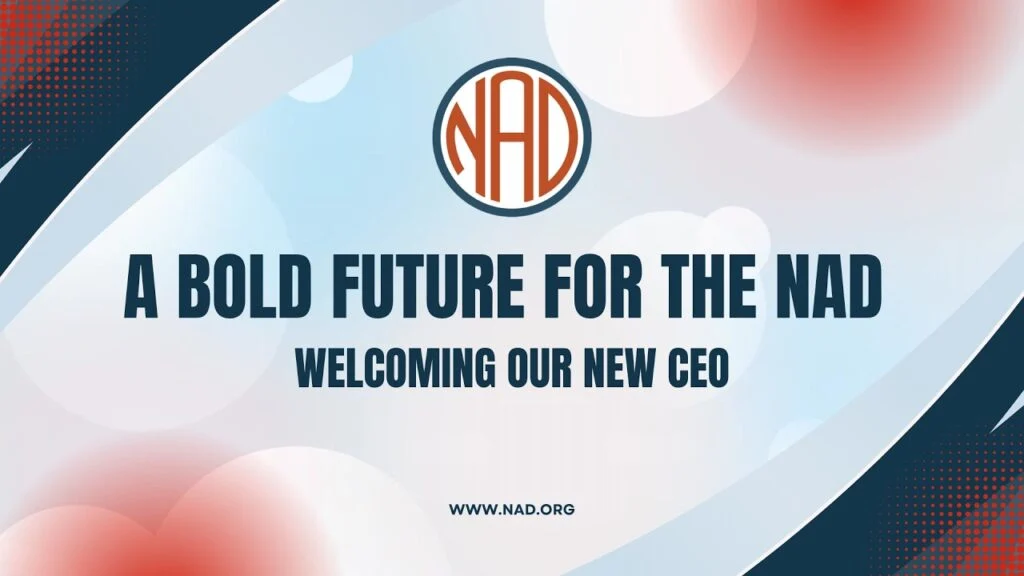
The appointment of Kiego comes at the conclusion of a rigorous, multi-month search process conducted by a dedicated committee. His selection follows a two-year period of organizational restructuring led by Interim CEO Bobbie Beth Scoggins, who took the helm during a time of institutional flux. Scoggins is credited with stabilizing the organization’s operational framework and restoring administrative confidence, providing the incoming CEO with a solid foundation upon which to build the next chapter of the NAD’s advocacy mission.
A Legacy of Advocacy: Context and Historical Significance
Founded in 1880 in Cincinnati, Ohio, the NAD has spent nearly a century and a half fighting to preserve, protect, and promote the civil, human, and linguistic rights of deaf and hard-of-hearing people. From lobbying for legislative protections—most notably the Americans with Disabilities Act (ADA)—to fighting for equal access to education, healthcare, and employment, the organization serves as a central hub for the American Deaf community.
The role of the CEO within this structure is multifaceted. It requires not only executive management of a complex non-profit but also deep diplomatic engagement with federal lawmakers, judicial systems, and state-level affiliates. The incoming CEO must navigate the ongoing challenges of modern accessibility, including the integration of emerging technologies, the preservation of American Sign Language (ASL) in educational settings, and the persistent socioeconomic disparities that continue to affect the Deaf population.
Chronology of the Transition
The path to this appointment began following a period of significant internal transition, which necessitated a comprehensive search for a leader capable of uniting a diverse and widespread membership base.
- 2024–2025: Bobbie Beth Scoggins serves as Interim CEO, focusing on operational stability and organizational transparency. During this period, the Board of Directors prioritized internal audits and long-term strategic planning.
- Early 2026: The NAD Board of Directors formally initiates a national search for a permanent CEO, establishing a Search Committee to review candidates and solicit community feedback.
- Spring 2026: The Search Committee conducts interviews with a diverse pool of candidates, evaluating their strategic visions for financial growth and membership engagement.
- May 2026: The Board of Directors confirms the appointment of Nicholas Kiego following a final selection process that included community stakeholder input.
- June 30 – July 5, 2026: The 58th Biennial NAD Conference in San Francisco is scheduled to serve as the platform for the public introduction of Kiego to the broader membership.
- August 1, 2026: Nicholas Kiego officially begins his tenure as Chief Executive Officer.
Strategic Priorities for the New Administration
In his inaugural remarks, Kiego outlined a clear, ambitious agenda focused on structural and fiscal health. Acknowledging the weight of the NAD’s legacy, Kiego emphasized that his immediate focus would be on rebuilding institutional trust and enhancing the organization’s financial stability.
"The work I have to do is clear: rebuild trust, make NAD financially stable, grow our membership, grow our revenue, focus on our mission, and remind the community of the significance of NAD’s legacy," Kiego stated during the announcement.
Industry analysts tracking non-profit leadership transitions suggest that Kiego’s emphasis on "growing revenue" is a vital acknowledgment of the shifting landscape for advocacy groups. In an era where grant funding is increasingly competitive and public interest in civil rights fluctuates, the ability to diversify revenue streams—through corporate partnerships, private donations, and membership growth—is essential for sustaining the legal battles and lobbying efforts that define the NAD’s work.
The Role of Membership and Affiliates
The NAD functions as a federation, comprising various state associations and organizational affiliates. This decentralized structure requires a CEO who can facilitate collaboration between local chapters and the national office. President Stephanie Hakulin highlighted this dynamic in her address, noting that the upcoming conference in San Francisco will be a "pivotal moment" for members to engage in strategic goal setting.
By involving the membership in the planning process, the Board aims to foster a more participatory culture. This inclusive approach is intended to ensure that the organization’s policy priorities remain aligned with the lived experiences of deaf individuals across the country, ranging from urban centers to rural areas where accessibility services may be limited.
Supporting Data and Organizational Outlook
The NAD operates within an ecosystem where the needs of the Deaf community are constantly evolving. According to data from the National Institute on Deafness and Other Communication Disorders (NIDCD), millions of Americans experience hearing loss, and the demand for ASL-fluent professionals and accessible public services continues to rise.
The financial health of the NAD is paramount to its ability to influence policy. Previous audits have shown that the organization relies on a mix of public grants, individual memberships, and philanthropic support. Strengthening this financial base will be the primary metric by which stakeholders measure Kiego’s early success. By increasing the membership base, the NAD not only bolsters its treasury but also strengthens its leverage when lobbying on Capitol Hill, as a larger, more active membership provides a louder voice for legislators to consider.
Perspectives on the Leadership Change
The transition has been met with measured optimism from within the community. Bobbie Beth Scoggins’ tenure is widely recognized as a period of "heavy lifting," providing the necessary breathing room for the Board to identify a successor.
"She led us through a difficult time, restored our stability, and set the groundwork for long-term growth and success," President Hakulin noted, emphasizing that the organization is now on "solid ground."
External observers have noted that the selection of Kiego suggests a desire for a steady, experienced hand at the wheel. By scheduling the public introduction for the 58th Biennial Conference, the Board is utilizing one of the most high-profile events in the Deaf community to ensure that the leadership transition is transparent and accessible to as many stakeholders as possible.
Implications for the Future
The implications of Kiego’s appointment extend beyond internal operations. As the NAD enters its next chapter, the organization faces a critical juncture in civil rights. Issues such as the digital divide, the lack of qualified interpreters, and the push for standardized deaf education are at the forefront of the advocacy agenda.
Kiego’s commitment to "rebuilding trust" suggests an awareness of the internal frictions that often accompany long-standing organizations during periods of transition. His focus on "hearing the stories" of the members indicates a grassroots leadership style that may prove effective in mobilizing the federation’s diverse, nationwide network.
As the organization prepares for the San Francisco conference, the focus remains on unity. The transition represents more than just a change in personnel; it signifies a strategic shift toward a more modernized, financially robust, and community-centric model of advocacy. For a community that has historically had to fight for every legislative gain, the stability of its representative body is not just a matter of organizational health—it is a matter of fundamental rights.
Conclusion: Preparing for San Francisco
With the dates for the 58th Biennial NAD Conference set for June 30 through July 5, 2026, the organization is pivoting toward a period of intensive engagement. The event is expected to draw thousands of attendees, providing a massive stage for the transition of power.
As President Hakulin stated, "You are the heart of the NAD. Your energy and involvement are what keep us moving forward." With a new leader identified and a clear set of fiscal and operational priorities established, the NAD appears poised to navigate the complexities of the 21st-century advocacy landscape, provided the incoming administration can successfully translate its strategic vision into tangible, community-wide impact. The upcoming months will be a critical testing ground for the new leadership team as they prepare to present their roadmap to the federation.