The Biomechanics of Vertical Motion and Vestibular Input
To understand why an elevator ride can trigger dizziness, one must first examine the anatomy of the inner ear, specifically the vestibular apparatus. This system is comprised of two primary components: the three semicircular canals and the otolith organs, which include the utricle and the saccule. While the semicircular canals are responsible for detecting rotational movements—such as nodding, turning the head, or tilting—the otolith organs are specialized for detecting linear acceleration and the pull of gravity.
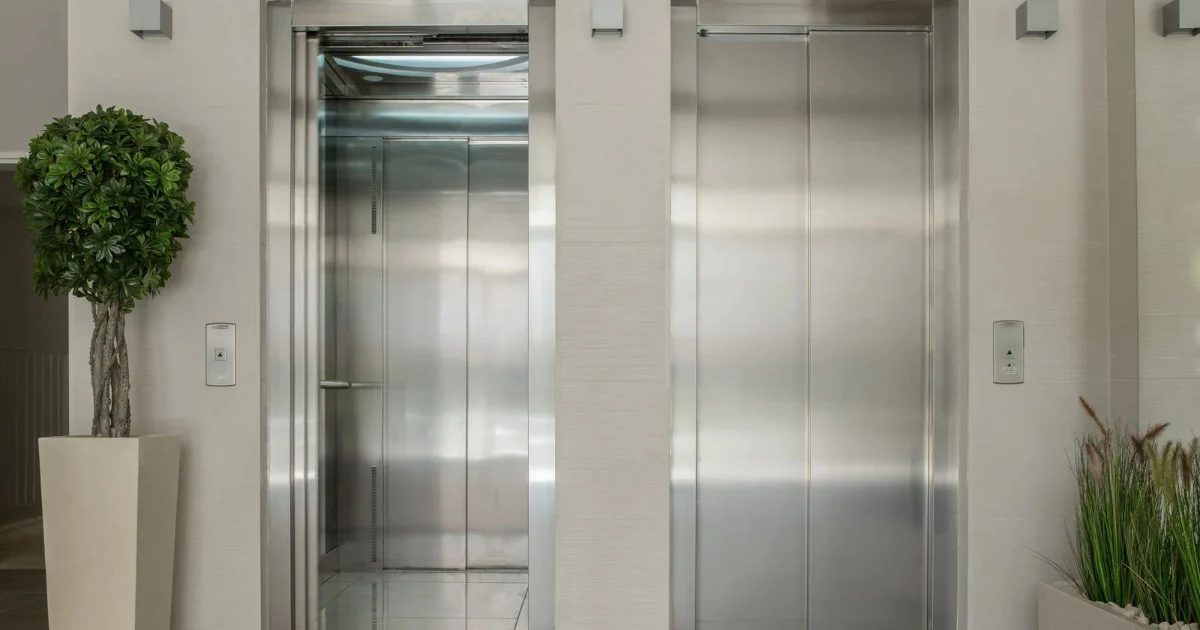
In the context of an elevator, the body is subjected to almost pure vertical (linear) acceleration. As the elevator car begins its ascent, the saccule detects the upward shift. Conversely, as the car slows down to reach a higher floor, the brain perceives a momentary reduction in gravitational pull. Under normal circumstances, the brain integrates this information with data from the eyes and the somatosensory system (sensors in the muscles and joints). However, an elevator presents a unique sensory conflict: the passenger is standing inside a closed, windowless box. While the inner ears report significant vertical movement, the eyes report that the immediate environment is stationary. This "mismatch" between the vestibular system and the visual system is the primary catalyst for disorientation.
The Chronology of Sensory Conflict: From Entry to Exit
The experience of elevator-induced dizziness typically follows a specific chronological progression. It begins with the initial acceleration, where the otolith organs register the change in velocity. During the middle of the ride, when the elevator moves at a constant speed, the sensation of motion often vanishes because the vestibular system only detects changes in acceleration, not constant velocity.
The most critical phase occurs during deceleration and the subsequent exit from the elevator. As the car comes to a halt, the brain must quickly reconcile the end of the vertical movement with the sudden transition to a stationary, horizontal environment. In a healthy, well-calibrated system, the brain settles this sensory disagreement almost instantly. However, for those with a "lag" in neurological processing, the brain continues to act as if the body is in motion even after the elevator doors have opened. This results in the "wobble" or the sensation that the floor is still moving beneath the feet, a state known as a sensory after-effect.
Underlying Conditions and Predisposing Factors
While many people experience brief elevator dizziness, certain medical conditions can exacerbate the feeling or cause it to linger. Clinical data suggests that individuals with a history of vestibular injuries, such as vestibular neuritis, are particularly susceptible. Even after a patient has "recovered" from an inner ear infection or injury, the brain may have undergone a process called central compensation. While this allows for normal daily functioning, the system often remains "hyper-aware" of unusual motion, making the sudden stop of an elevator feel more jarring than it would to a healthy individual.
Another significant factor is the presence of Vestibular Migraine. Unlike traditional migraines characterized primarily by headache, vestibular migraines involve the brain’s balance centers. Patients with this condition often have a long history of motion sickness. For these individuals, a brief elevator ride can act as a provocative stimulus, especially if the patient is already dealing with other triggers like sleep deprivation, high stress, or fluctuating blood sugar levels.
Persistent Postural-Perceptual Dizziness (PPPD) also plays a role in chronic elevator sensitivity. PPPD is a functional vestibular disorder where patients experience near-constant unsteadiness. This condition is frequently worsened by upright posture and "visually busy" environments. The transition from a moving elevator to a crowded, brightly lit lobby with patterned flooring can create a "stacking" effect of triggers, leading to a prolonged period of dizziness.
Furthermore, the physical mechanics of the ride itself can be a factor. In high-speed elevators found in modern skyscrapers, rapid changes in air pressure can affect the middle ear, similar to the sensation experienced during a flight’s descent. In rare cases, such as a perilymph fistula—a small tear or leak in the membranes between the inner and middle ear—these pressure changes can cause significant vertigo, nausea, and even hearing fluctuations.
Supporting Data on Vestibular Prevalence
The significance of these symptoms is underscored by the prevalence of vestibular disorders in the general population. According to data from the Vestibular Disorders Association (VeDA) and the National Institute on Deafness and Other Communication Disorders (NIDCD), approximately 35% of adults aged 40 years or older in the United States—roughly 69 million people—have experienced some form of vestibular dysfunction.
Research indicates that as the population ages, the sensitivity of the otolith organs decreases, making the "recalibration" process after an elevator ride more difficult. Furthermore, studies on motion sickness suggest that women are statistically more likely to report symptoms of motion-induced dizziness than men, though the exact hormonal or neurological reasons for this remain a subject of ongoing clinical study.
Clinical Responses and the Role of Vestibular Rehabilitation
When elevator-induced dizziness becomes a barrier to daily life, medical professionals often recommend Vestibular Rehabilitation Therapy (VRT). VRT is an exercise-based program designed by specialized physical therapists to promote central nervous system compensation for inner ear deficits.
The goal of VRT is not to avoid the triggering stimulus, but rather to use "habituation" exercises to desensitize the brain to the movement. For a patient struggling with elevators, a therapist might design a protocol that involves gradual exposure. This could begin with short rides on slower elevators during quiet times of the day, gradually moving toward taller buildings and faster cars. By providing the brain with repeated, safe exposure to the stimulus, the "mismatch" between the eyes and the ears is eventually minimized.
In addition to formal therapy, clinicians suggest immediate "in-the-moment" strategies to mitigate dizziness:
- Visual Anchoring: Focusing on a stationary object, such as the elevator door or a specific point on the wall, can provide the brain with a consistent visual reference.
- Physical Grounding: Widening one’s stance and maintaining firm contact with the floor or the handrail can increase somatosensory input, helping the brain realize the body is stable.
- Head Positioning: Avoiding the common habit of looking up at the floor numbers can prevent the triggering of Benign Paroxysmal Positional Vertigo (BPPV), a condition where calcium crystals in the ear shift into the wrong canal during head tilts.
Broader Implications for Urban Health and Architecture
As urban centers continue to grow vertically, the reliance on high-speed elevator technology increases. This has implications for "sick building syndrome" and general workplace wellness. Architects and engineers are increasingly looking at "vibration dampening" and "acceleration curves" to make elevator rides smoother, not just for mechanical efficiency, but to accommodate the neurological comfort of passengers.
From a public health perspective, the recognition of elevator-induced dizziness as a legitimate vestibular concern allows for better screening of balance disorders. It serves as an early warning system for conditions like Mal de Débarquement Syndrome (MdDS), where a rocking sensation persists for days or months after exposure to passive motion. While a single elevator ride is rarely the sole cause of MdDS, it can be a contributing factor in a larger pattern of motion sensitivity that requires specialized neurological care.
Emergency Protocols and Red Flags
While most instances of dizziness following an elevator ride are benign and related to the inner ear, it is critical for the public to distinguish between vestibular issues and cardiovascular or neurological emergencies. Medical professionals emphasize that dizziness accompanied by a "thunderclap" headache, sudden weakness or numbness on one side of the body, difficulty speaking, double vision, or a total inability to walk should be treated as a medical emergency. These symptoms are hallmarks of a stroke or transient ischemic attack (TIA) and require an immediate 911 call.
In contrast, if the dizziness is isolated to the "rocking" sensation or a brief spell of vertigo upon changing head positions, it is likely a vestibular issue. Patients are encouraged to consult with an otolaryngologist (ENT) or a vestibular physical therapist to determine the specific cause and develop a management plan.
Conclusion
Elevator-induced dizziness is a multifaceted issue that bridges the gap between simple sensory confusion and chronic vestibular pathology. By understanding the roles of the otolith organs and the brain’s need for sensory congruence, individuals can take proactive steps to manage their symptoms. Whether through simple behavioral changes like visual anchoring or through the structured path of Vestibular Rehabilitation Therapy, the goal remains the same: ensuring that the transition from motion to stillness is seamless. As our built environment continues to reach new heights, understanding the human body’s response to vertical travel remains an essential component of modern vestibular medicine.