IDEASforEARS: A Nexus of Youthful Ingenuity and Real-World Experience
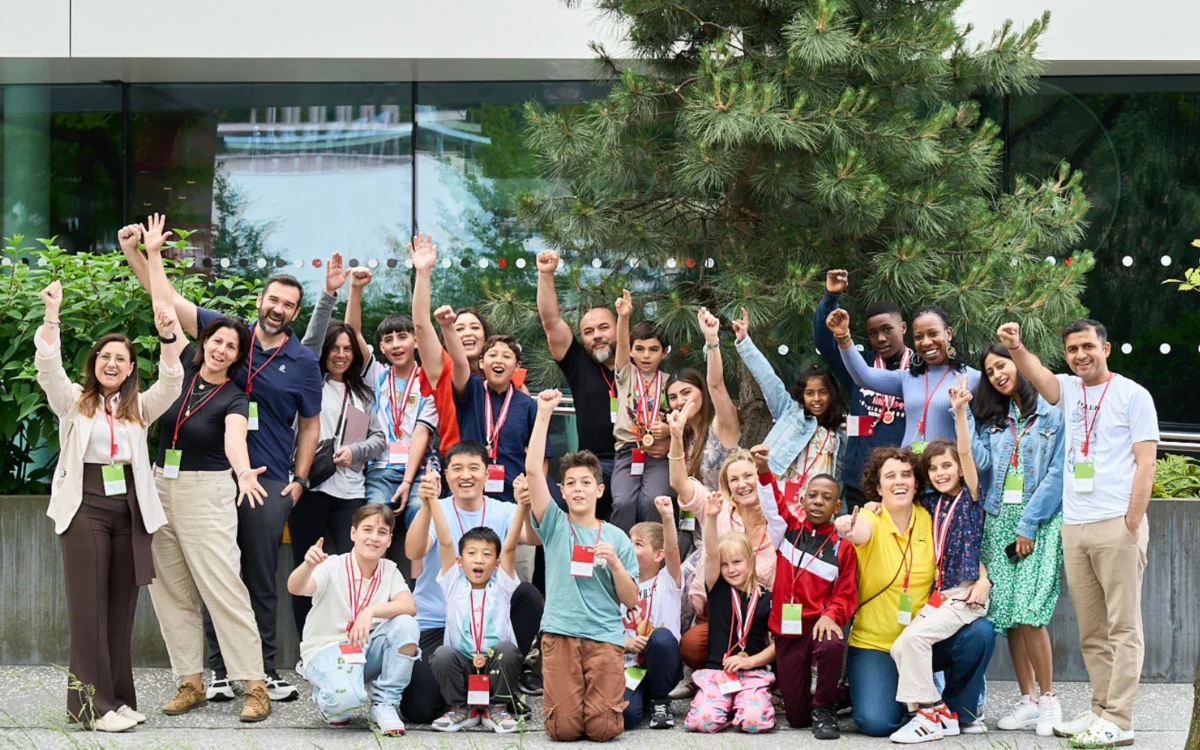
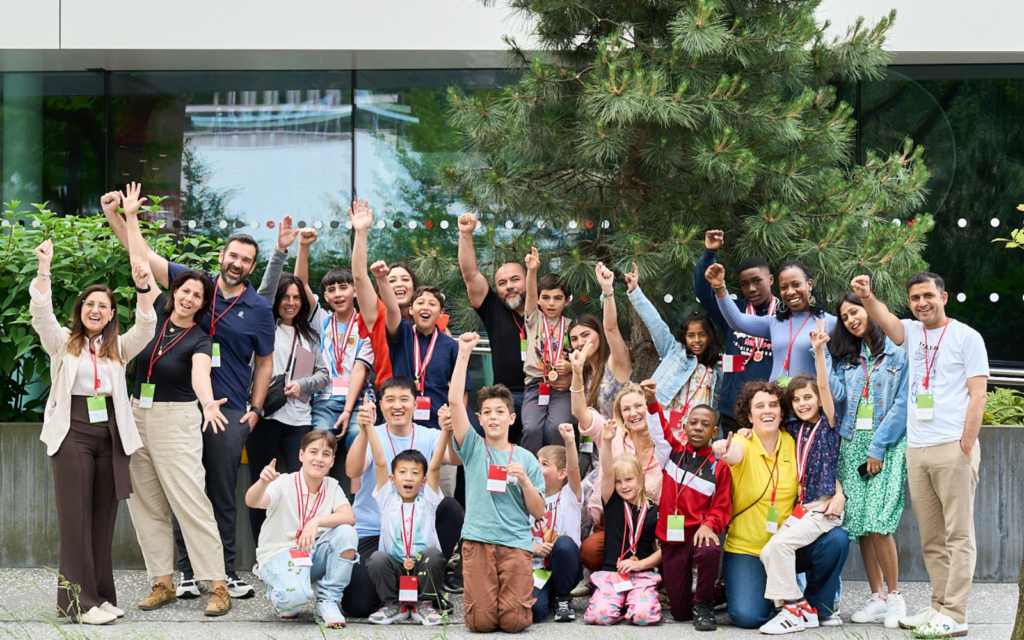
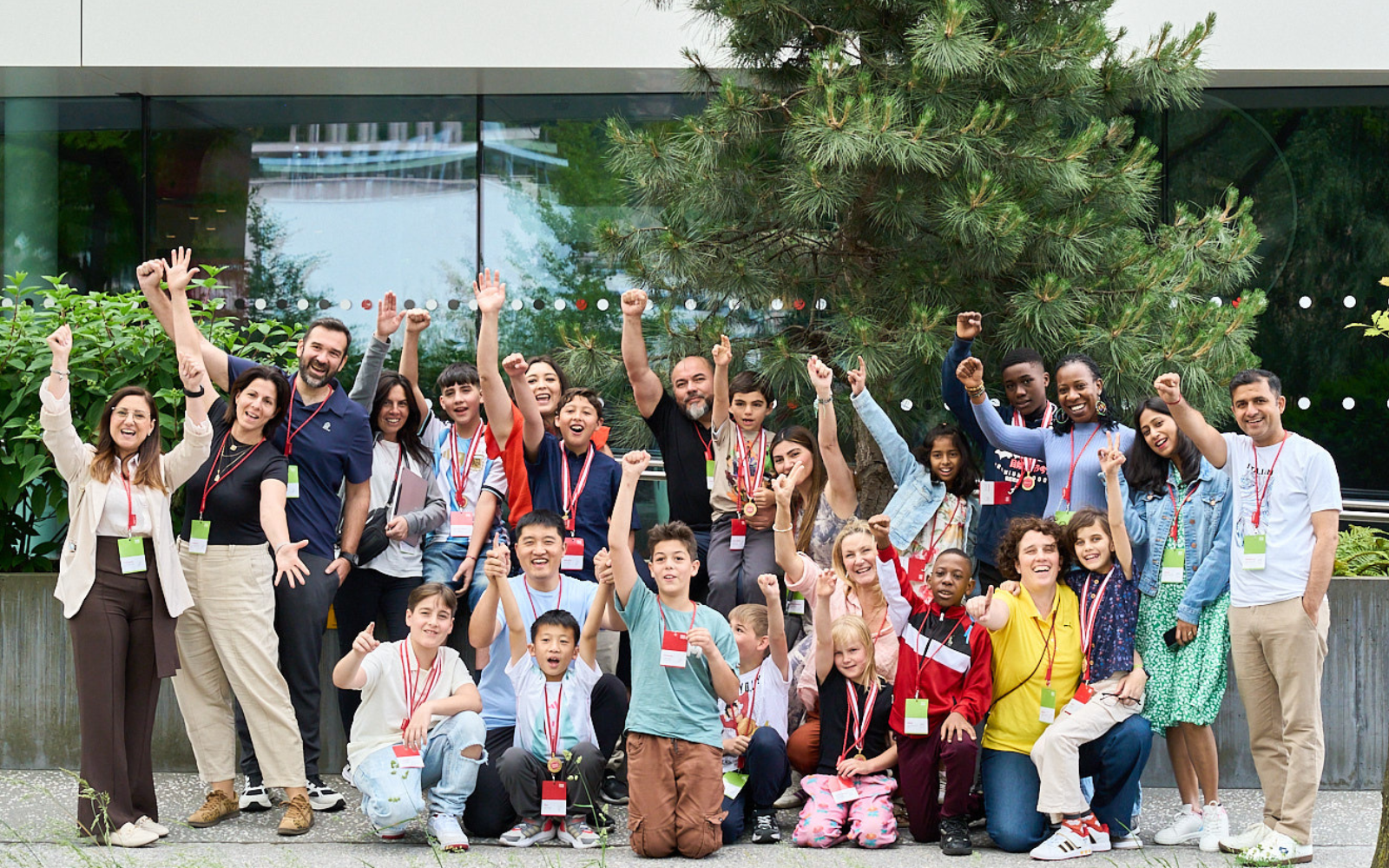
The IDEASforEARS event, held annually at MED-EL’s headquarters, serves as a testament to the remarkable capacity of young minds to envision what comes next. These children, who navigate the world with hearing implants, bring a unique perspective to technological development. Their inventions are not abstract concepts but rather practical solutions born from the daily realities of their lives. This year’s event, published on June 9, 2026, highlighted the innovative spirit of participants who are transforming their personal journeys into tangible advancements for the hearing loss community.
Christos: Enhancing Auditory Environments Through AI
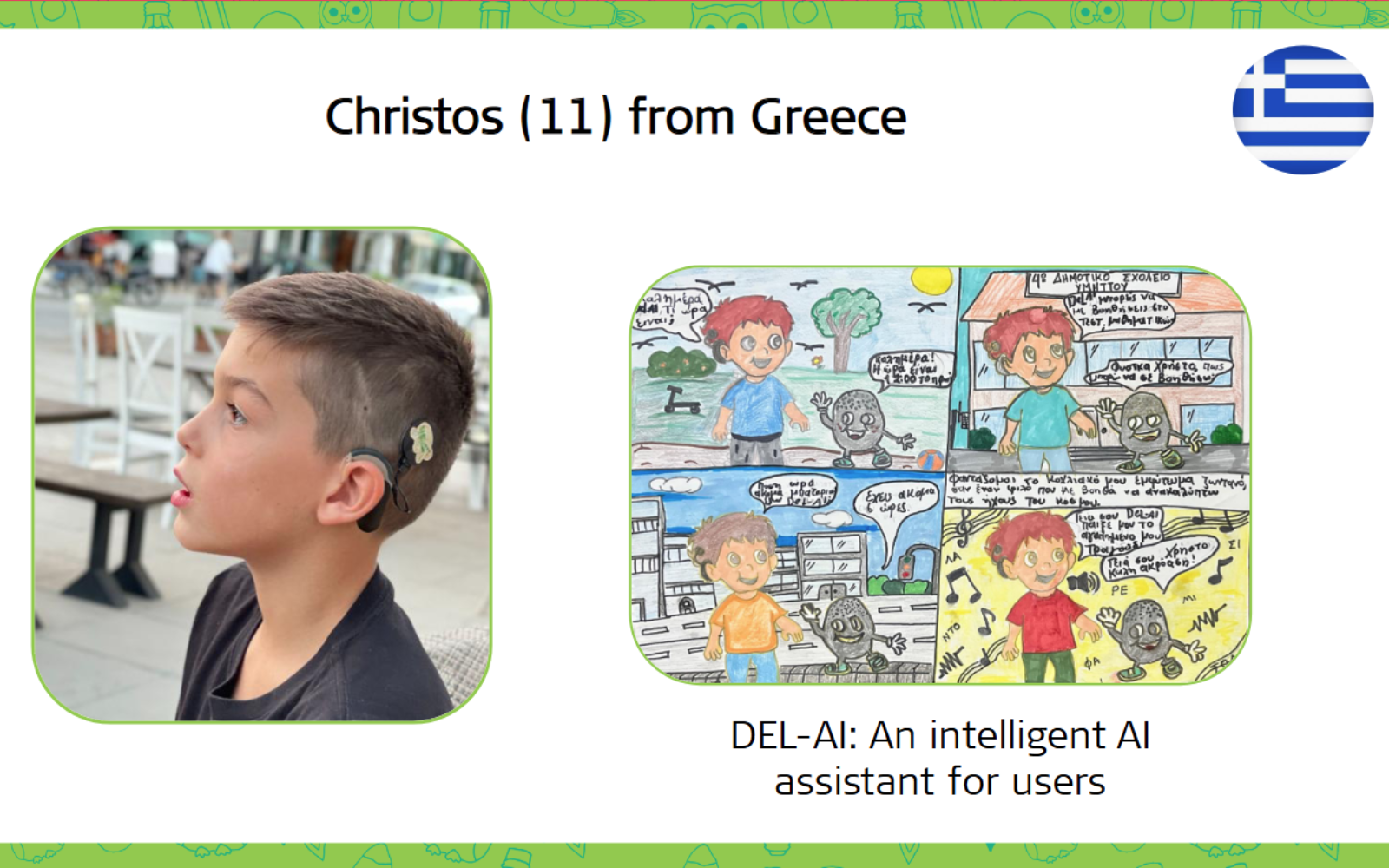
Eleven-year-old Christos, hailing from Greece, has been a cochlear implant user since he was just 15 months old, receiving his second implant at two and a half years of age. For Christos, hearing is fundamental to "communication with friends and contact with nature." His experience, marked by early intervention and consistent use of hearing technology, has fueled his imagination. Inspired by his daily interactions and the challenges he sometimes faces, Christos has conceptualized an artificial intelligence-powered cochlear implant designed for seamless adaptation to diverse listening environments.
Christos envisions an implant capable of responding to voice commands for volume control, effectively mitigating disruptive background noise, and providing more intuitive battery life monitoring. A particular focus of his invention is the enhancement of auditory clarity in noisy classroom settings, a crucial factor for effective learning. "I wanted loud noises not to bother me, and to be able to turn the volume down with just a command," Christos explained, articulating a need deeply felt by many young users. His innovative concept directly addresses the desire for greater control and comfort in everyday listening situations, demonstrating a sophisticated understanding of user needs.
Georgie: Fostering Inclusive Classrooms with "All Hear Together"
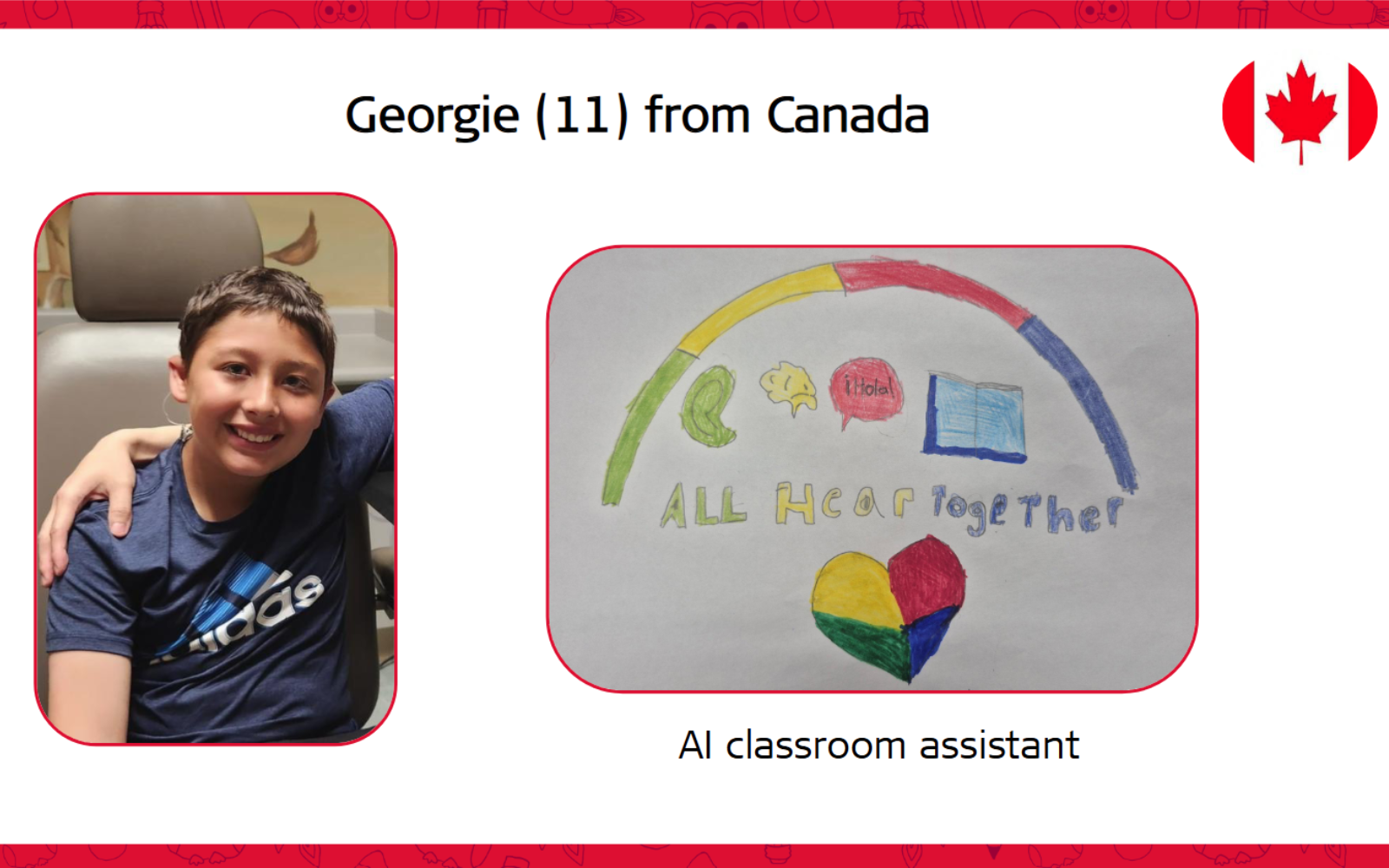
Georgie, another 11-year-old participant from Canada, is driven by a vision of creating more inclusive educational spaces for all students. Born with microtia and a consequent hearing loss, Georgie’s journey involved years of medical appointments, intensive therapy, and diagnostic testing before he received his hearing implant at the age of nine. He vividly recalls the transformative moment his device was activated: "Everything sounded clear. For the first time, I could truly understand sounds. That moment changed my life."
This life-altering experience has propelled Georgie to develop "All Hear Together," an AI-based classroom application designed to support students with a range of needs, including hearing loss, language barriers, ADHD, and autism. The software aims to provide real-time captions, instant translations, supplementary visual aids, and direct audio streaming to hearing devices. Georgie’s motivation stems directly from his personal experience in multicultural classrooms where many students grapple with learning in a new language while simultaneously navigating diverse educational requirements. "I wanted to create something that helps everyone feel included and gives all students the same opportunity to understand and learn," Georgie stated, underscoring his commitment to equity in education. His invention reflects a profound empathy and a forward-thinking approach to educational technology.
Santino: Ensuring Independence with a Vibrating Alarm Bracelet
Twelve-year-old Santino from Argentina has also channeled his lived experience into a practical invention. As he has grown older, Santino has increasingly considered the importance of independence and the everyday challenges faced by cochlear implant users. His innovative idea is a vibrating bracelet alarm, designed to help cochlear implant users wake up independently, especially when their audio processors are not being worn. "When I was 8 years old, I used to think about how I would wake up by myself when I grew up," Santino shared, highlighting a practical concern that many young individuals might overlook. This invention addresses a fundamental need for personal autonomy and reliability in daily routines, showcasing Santino’s thoughtful consideration of practical user needs.

The Crucial Role of Early Intervention and Support
The compelling inventions presented at IDEASforEARS are underpinned by a common thread: the profound importance of early diagnosis, prompt support, and timely access to sound. The experiences of Christos, Georgie, and Santino, and their families, illuminate the transformative power of early intervention.
Christos’ parents recognized his need for additional hearing support when he was merely one year old. The subsequent cochlear implantation and therapy yielded significant improvements in his speech, communication abilities, and overall confidence. His parents reflect, "If someone does not notice that he wears a cochlear implant, they would not realize that this child was born deaf." This sentiment speaks volumes about the efficacy of early intervention in enabling children to achieve near-typical development and integration.
Santino’s hearing journey also commenced at an early age. Diagnosed as an infant, he began speech therapy at six months and utilized hearing aids before becoming a candidate for bilateral cochlear implants, which he received at age two. His mother emphasizes the critical role of patience and continued therapy post-activation. "Santi not only started speaking but also learned how to listen," she recounted, "and that was when we realized: Yes, this is really working!" This illustrates how consistent support can unlock a child’s full potential for auditory processing and language development.
Georgie’s family navigated a particularly protracted and emotionally demanding path. His parents’ dedication led them to relocate internationally to ensure he had access to the best possible support and opportunities. Early therapeutic interventions, including music therapy, speech therapy, and the use of a bone conduction device, laid a crucial foundation that facilitated his successful implantation.
For all three families, early support transcended mere auditory restoration. It was about enabling their children to participate fully in life, fostering natural communication with family and friends, building self-assurance at school, facilitating language acquisition, and nurturing passions. Crucially, it equipped their children with the tools necessary to become independent thinkers and future innovators themselves.
Empowering Dreams: Growing Up Without Boundaries
One of the most inspiring aspects of these young innovators’ stories is the unshakeable confidence they exhibit in their futures. When asked if he felt capable of achieving anything he desired, Georgie responded with unwavering conviction: "Yes, I feel like the sky is the limit. Because of everything I’ve been through, I’ve learned that nothing comes easy, but if you keep trying and don’t give up, you can achieve your goals." This powerful affirmation encapsulates the resilience and determination fostered by overcoming challenges and embracing technological solutions.
For these families, cochlear implantation marked the beginning of an expansive journey filled with possibilities for their children. As Santino’s mother eloquently stated, "With his implant, he has the same opportunities as any other child." Georgie’s parents echo this sentiment, observing a profound transformation in their son: increased independence, enhanced academic engagement, and greater social confidence. "We’ve seen a big change," they shared. "He understands much more, and that helps him feel more secure and independent." These testimonials highlight the holistic benefits of hearing technology, extending beyond audiology to encompass psychological well-being and social integration.
A Collaborative Future for Hearing Technology
The IDEASforEARS event stands as a vibrant celebration of creativity, courage, and community. It powerfully demonstrates that children with hearing loss are not defined by their limitations but rather by their boundless potential as innovators, dreamers, problem-solvers, and leaders. Their inventions serve as compelling evidence of how lived experiences can catalyze meaningful technological advancements. Their personal narratives underscore the critical importance of early access to hearing technology and tailored support systems. Furthermore, their inherent confidence serves as a testament to what can be achieved when children are empowered to develop without constraints.
At MED-EL, a company with a long-standing commitment to people-centered innovation, events like IDEASforEARS are instrumental in ensuring that the next generation of users has a direct voice in shaping the future of hearing technology. The success of these young innovators inspires not only their peers but also the broader scientific and medical communities.
The upcoming 10th edition of IDEASforEARS is scheduled to commence in November 2026, promising another showcase of visionary ideas and further advancements in the field of hearing solutions.
The Broader Impact: Data and Analysis
The success stories emerging from IDEASforEARS are not isolated incidents but rather indicative of a broader trend in pediatric audiology. Global statistics consistently show a strong correlation between early hearing intervention and improved long-term outcomes for children with hearing loss. According to the World Health Organization (WHO), an estimated 360 million people worldwide live with disabling hearing loss, with children accounting for a significant proportion. Early identification and intervention, ideally within the first year of life, can dramatically improve speech and language development, academic achievement, and social-emotional well-being.
Studies published in journals like The Laryngoscope and the Journal of the American Academy of Audiology have repeatedly demonstrated that children who receive cochlear implants and comprehensive auditory rehabilitation before the age of two exhibit language skills comparable to their hearing peers by the time they reach school age. This highlights the critical "critical period" for auditory development and the irreversible impact of timely intervention.
The IDEASforEARS initiative by MED-EL, therefore, plays a dual role: it not only provides a platform for young innovators but also serves as a powerful advocacy tool, illustrating the tangible benefits of advanced hearing technology and the potential of individuals who are empowered by it. The analytical implication is clear: investing in early diagnosis, accessible technology, and supportive environments for children with hearing loss yields significant societal returns in terms of human capital development and individual well-being.
Looking Ahead: Continued Innovation and Community Engagement
The commitment to fostering innovation among young users is a strategic imperative for companies like MED-EL. By involving children directly in the design and conceptualization process, the company ensures that its future products are not only technologically advanced but also deeply attuned to the evolving needs of its user base. This user-centric approach is crucial for maintaining relevance and driving meaningful progress in the field of hearing healthcare. The ongoing success of IDEASforEARS suggests a robust pipeline of future talent and groundbreaking ideas that will continue to push the boundaries of what is possible for individuals with hearing loss. The next edition promises to build upon this legacy, further solidifying the collaborative relationship between hearing technology providers and the communities they serve.