Evolution of Firefighter Safety Standards
For decades, the standard SCBA was judged primarily on its durability, air capacity, and reliability in extreme heat. However, the evolution of the National Fire Protection Association (NFPA) standards reflects a broader shift toward integrating telemetry and communication. The transition from the 2018 standards to the consolidated NFPA 1970 performance requirements marks a turning point where structural and proximity firefighting gear are evaluated through a more holistic lens.
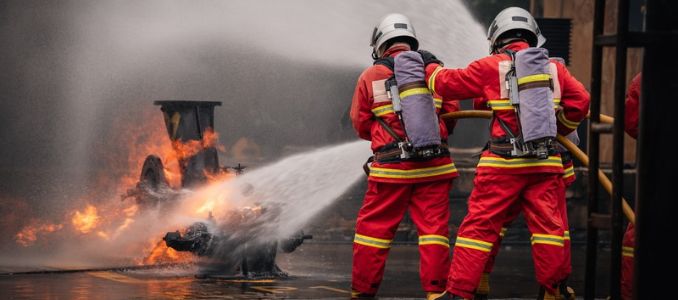
The NFPA 1970 standard is a comprehensive update that merges several previous requirements, focusing on the total integration of protective equipment. For manufacturers like MSA Safety, this meant re-engineering the G1 platform from the ground up. The goal was twofold: to alleviate the physical strain that contributes to long-term cardiac and musculoskeletal issues among firefighters and to solve the "lost firefighter" problem—a primary cause of line-of-duty deaths.
The Technological Edge: LUNAR Beacon Integration
At the heart of the G1 City Edition is the integration of LUNAR Beacon Technology directly into the power module of the SCBA. This technology utilizes radio frequency signals to create a "homing" capability. When a firefighter enters an alarm state—typically triggered by a lack of movement or a manual distress call—the SCBA begins transmitting a beacon signal.
A responding firefighter or search-and-rescue team member equipped with a LUNAR handheld device can detect this signal and receive real-time directional feedback. This feature is particularly vital in large-scale industrial fires or collapsed structures where smoke, high noise levels, and disorienting layouts render traditional auditory-based PASS (Personal Alert Safety System) devices insufficient. The system does more than just indicate the presence of a distressed individual; it provides a spatial vector, guiding rescuers directly to the location of the downed firefighter.

Beyond localization, the synergy between the SCBA and the LUNAR device allows for a data-sharing loop. The handheld device displays critical telemetry, including current cylinder pressure and the time remaining based on the wearer’s breathing rate. When connectivity permits, this data is synchronized with the FireGrid Monitor application, allowing Incident Commanders (ICs) to oversee the status of their entire crew from a centralized command post. This transparency allows for more informed decision-making regarding when to deploy Rapid Intervention Crews (RICs) or initiate extraction protocols.
Ergonomics and Physical Impact
The physical burden of firefighting gear has long been a subject of study in occupational health. The average weight of a modern SCBA setup, combined with turnout gear and tools, can exceed 70 pounds. The G1 City Edition achieves a weight reduction of up to half a pound in its standard configuration, a change that may appear marginal on paper but yields significant benefits during a multi-hour operation.
The reduction in weight is complemented by a redesign of the cylinder-retention system and the inclusion of a swiveling lumbar pad. These modifications are designed to shift the center of gravity closer to the wearer’s core, which improves balance and reduces the torque applied to the lower back. By minimizing the "swing" of the cylinder during movement, the design reduces the kinetic energy that the firefighter’s core muscles must counteract, thereby delaying the onset of fatigue.

Additional refinements include:
- Enhanced Tactility: Regulator and cylinder-valve controls have been thickened to ensure they can be operated effectively while wearing heavy, wet, or frozen structural firefighting gloves.
- Streamlined Fit: Thinner shoulder pads and longer adjustment straps allow for a more customized fit across a wider range of body types, ensuring the gear stays secure during strenuous maneuvers such as climbing ladders or dragging hoses.
- Visual Interface: The control-module display has been optimized for high-contrast visibility, showing essential metrics—pressure and estimated air time—at a glance, reducing the time a firefighter must spend looking away from the fire environment.
Chronology of Development and Implementation
The development of the G1 City Edition follows a multi-year trend in the fire safety industry toward "connected PPE."
- 2014-2016: Initial rollout of the G1 SCBA platform, which focused on introducing Bluetooth connectivity and integrated heads-up displays.
- 2019-2021: Introduction of the LUNAR device as a standalone or add-on accessory, providing the first major leap in portable search-and-rescue beacon technology.
- 2024: Finalization of the NFPA 1970 standards, consolidating requirements for SCBA, PASS, and thermal imaging equipment.
- 2025-2026: Official release and market adoption of the G1 City Edition, marking the first time the LUNAR technology is fully integrated into the base power module of the SCBA rather than existing as an external peripheral.
Implications for Incident Command
The integration of digital tracking into standard respiratory protection represents a paradigm shift for fire departments. Traditionally, accountability was maintained through manual tag systems or voice-based "check-ins" on the radio. The reliance on radio communication, however, is a known vulnerability in high-intensity incidents, where radio traffic is often congested and signal interference is common.

By automating the reporting of air levels and location data, the G1 City Edition reduces the cognitive load on both the firefighter and the Incident Commander. The IC no longer needs to rely solely on the firefighter’s ability to communicate their status over the radio; the data is presented on the FireGrid dashboard. This allows for a more proactive approach to safety. If the system detects a firefighter’s air levels reaching a critical threshold or if a beacon is activated, the command team is alerted instantaneously.
Challenges and Future Considerations
While the technological advancements in the G1 City Edition offer clear benefits, the implementation of such systems is not without challenges. Fire departments must invest not only in the hardware but also in the digital infrastructure required to support it. This includes ensuring stable radio connectivity on the fire ground and providing training for personnel to navigate the interface under extreme stress.
Furthermore, the reliance on digital telemetry brings up the perennial issue of cybersecurity and system redundancy. Departments are increasingly prioritizing "fail-safe" protocols, ensuring that if a digital connection is lost, the traditional mechanical backups—such as manual PASS alarms and analog pressure gauges—remain fully functional and easily readable.

Economic and Operational Impact
For municipal and industrial fire departments, the decision to upgrade to equipment like the G1 City Edition involves a cost-benefit analysis that extends beyond the initial purchase price. The long-term savings associated with reduced injuries, improved efficiency, and lower training requirements for complex maneuvers are significant.
Moreover, as insurance requirements and safety regulations become more stringent, having equipment that exceeds the 2025 NFPA 1970 standards provides a layer of institutional protection. By standardizing the equipment across a fleet, departments can also streamline their maintenance and logistics, as the modular nature of the G1 series allows for easier repairs and part replacements compared to legacy systems.
Conclusion: The Future of Fireground Accountability
The G1 City Edition is indicative of the industry’s broader direction: moving away from standalone tools toward an integrated, networked safety ecosystem. By combining ergonomic advancements that address the physical reality of the job with beacon and connectivity technologies that address the cognitive and navigational challenges of the fire ground, MSA Safety has created a piece of equipment that serves as both a life-support system and a communication hub.

As fire services continue to evolve, the ability to "see" and "track" personnel through the chaos of an active fire will likely become the standard requirement for all departments. The transition to the 2025 NFPA 1970 standards is just the beginning of this shift. In the coming years, as this technology becomes ubiquitous, the expectation for real-time accountability will grow, likely driving further innovations in sensors, materials science, and data analytics. For now, the G1 City Edition stands as a vital development, promising to improve the odds for firefighters when they need it most—in the critical moments when visibility is zero and every second counts.