
The Anatomy of Sound and Its Disruptions
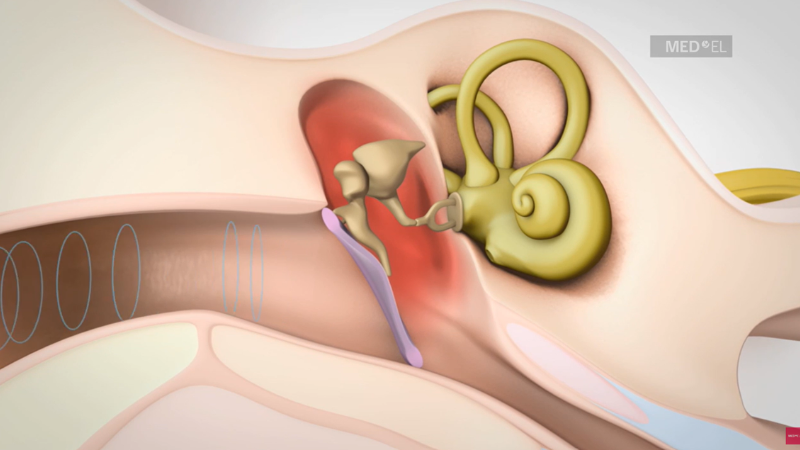
To fully grasp the nuances of conductive versus sensorineural hearing loss, it’s essential to understand the ear’s basic architecture. The outer ear, comprising the auricle and ear canal, collects sound waves and directs them towards the eardrum. The middle ear, an air-filled cavity, houses the eardrum and three tiny bones – the malleus, incus, and stapes – which amplify and transmit these vibrations to the oval window, an opening to the inner ear. The inner ear, a fluid-filled labyrinth, contains the cochlea, responsible for converting mechanical vibrations into electrical signals, and the auditory nerve, which carries these signals to the brain for interpretation as sound.
Conductive hearing loss arises when any part of this sound transmission pathway in the outer or middle ear is compromised. This can be due to a physical blockage, such as excessive earwax or a foreign object, or a mechanical issue like fluid buildup behind the eardrum (often seen in middle ear infections), a perforated eardrum, or abnormalities in the ossicles. The sound waves simply cannot reach the inner ear effectively.

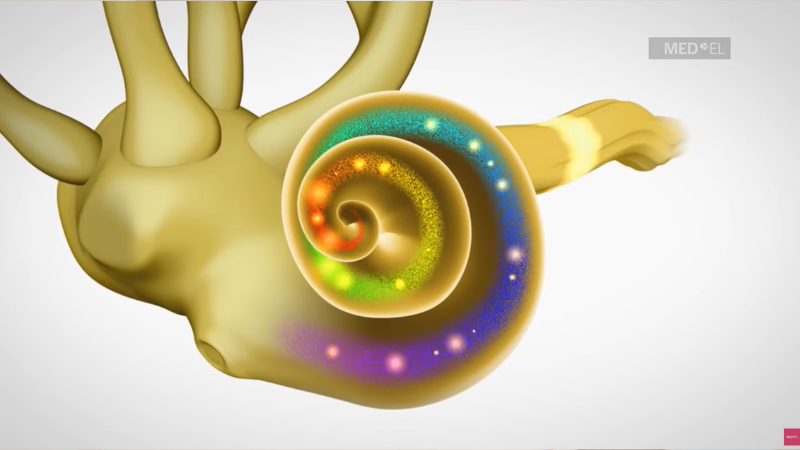
Sensorineural hearing loss, conversely, involves damage to the delicate structures within the inner ear, particularly the hair cells in the cochlea, or to the auditory nerve itself. These hair cells are crucial for transducing mechanical vibrations into electrical impulses. Damage to them, or to the nerve fibers that carry these impulses, means that even if sound reaches the inner ear, the signals cannot be generated or transmitted accurately to the brain.
A Comparative Overview: Conductive vs. Sensorineural Hearing Loss
| Feature | Conductive Hearing Loss | Sensorineural Hearing Loss |
|---|---|---|
| Location of Problem | Outer or middle ear | Inner ear (cochlea) or auditory nerve |
| Nature of Issue | Mechanical issue: Sound transmission is blocked or reduced. | Neurological/Biological issue: Sound transduction or signal transmission is impaired. |
| Common Causes | Earwax impaction, middle ear infections (otitis media), perforated eardrum, otosclerosis, foreign objects. | Aging (presbycusis), prolonged exposure to loud noise, genetics, viral infections, Meniere’s disease, ototoxic medications, head trauma. |
| Auditory Perception | Sound may seem muffled, quieter, or as if the ears are blocked. | Speech may be quieter, distorted, or difficult to understand, especially in noisy environments. Certain frequencies may be lost. |
| Duration | Often temporary and reversible, depending on the underlying cause. | Usually permanent and progressive. |
| Typical Treatments | Medical or surgical intervention to address the blockage or mechanical issue, hearing aids (in some cases), bone conduction devices. | Hearing aids, cochlear implants, auditory brainstem implants, assistive listening devices, speech therapy. |
Unpacking Conductive Hearing Loss: The Sound Transmission Barrier
Conductive hearing loss is essentially a problem with the "volume knob" of the ear – the ability to amplify and transmit sound efficiently. Imagine trying to hear a whispered conversation through a thick wall; the sound is still there, but its intensity and clarity are significantly diminished.
Common Culprits:
- Earwax Buildup: The most frequent cause, earwax can physically obstruct the ear canal, preventing sound waves from reaching the eardrum.
- Middle Ear Infections (Otitis Media): Fluid accumulation behind the eardrum, often following a cold or upper respiratory infection, dampens the eardrum’s ability to vibrate and transmit sound. This is particularly common in children.
- Perforated Eardrum: A tear or hole in the eardrum, caused by infection, injury, or sudden pressure changes, impairs its vibratory function.
- Otosclerosis: A condition where abnormal bone growth in the middle ear affects the stapes’ mobility, hindering sound transmission.
- Foreign Objects: Accidental insertion of small objects into the ear canal can cause a blockage.
The Sound Experience: Individuals with conductive hearing loss often describe sounds as being "muffled," "quiet," or feeling like their ears are "plugged." They might hear people speaking but struggle to discern the words clearly, especially in environments with ambient noise. The world of sound can feel as though it’s underwater.

Reversibility: A significant characteristic of conductive hearing loss is its potential for reversibility. Many of its causes, such as earwax impaction or middle ear infections, can be treated medically or surgically, restoring hearing to normal or near-normal levels. For instance, earwax can be safely removed by a healthcare professional, and antibiotics can clear middle ear infections. Surgical interventions, like tympanoplasty to repair a perforated eardrum or stapedectomy for otosclerosis, can also be highly effective.
Delving into Sensorineural Hearing Loss: The Signal Processing Deficit
Sensorineural hearing loss (SNHL) represents a more profound challenge, affecting the intricate process of converting sound vibrations into electrical signals and transmitting them to the brain. It’s akin to having a faulty microphone and a damaged wire; even if the sound is loud, the signal that reaches the brain is distorted or incomplete.
The Pervasive Causes:
- Aging (Presbycusis): The most prevalent cause of SNHL, presbycusis is a gradual decline in hearing that occurs with age due to the natural wear and tear on the inner ear structures and auditory nerve.
- Noise-Induced Hearing Loss (NIHL): Prolonged or sudden exposure to loud sounds, whether from occupational noise, recreational activities (concerts, shooting ranges), or explosions, can damage the delicate hair cells in the cochlea. The World Health Organization estimates that over 1 billion people aged 12-35 are at risk of hearing loss due to unsafe listening practices.
- Genetics: Hereditary factors play a significant role in congenital and early-onset SNHL.
- Illness and Disease: Certain viral infections (like measles, mumps, meningitis) and chronic conditions can affect the inner ear or auditory nerve.
- Ototoxic Medications: A range of medications, including certain antibiotics (like aminoglycosides), chemotherapy drugs, and high doses of aspirin, can be toxic to the auditory system.
- Trauma: Head injuries can sometimes damage the structures of the inner ear or auditory nerve.
The Sonic Landscape: SNHL often manifests not just as reduced loudness but also as a loss of clarity. Speech may sound "fuzzy," "garbled," or incomplete. Individuals might find it particularly difficult to distinguish consonants, leading to a struggle in understanding words, especially in noisy environments like restaurants or social gatherings. Phone conversations can become a significant challenge, and understanding speech in group settings may be nearly impossible. The ability to perceive high-frequency sounds, crucial for understanding speech, is often compromised first.
The Permanence Factor: Unlike conductive hearing loss, SNHL is typically permanent. The hair cells in the cochlea, once damaged or destroyed, do not regenerate. Similarly, damage to the auditory nerve is often irreversible. This permanence underscores the importance of early detection and management to preserve remaining hearing and optimize the use of assistive technologies.
The Conundrum of Mixed Hearing Loss
It’s not uncommon for individuals to experience both conductive and sensorineural hearing loss simultaneously. This condition, known as mixed hearing loss, presents a dual challenge, involving both a transmission issue in the outer/middle ear and a processing problem in the inner ear or auditory nerve. This is particularly prevalent in older adults who may have age-related SNHL and also suffer from conditions like chronic ear infections or otosclerosis, or in individuals with long-standing ear conditions that have caused both conductive and sensorineural damage over time.
Treating mixed hearing loss requires a comprehensive approach that addresses both components. For example, if a patient has fluid behind the eardrum (conductive) and age-related hair cell damage (sensorineural), initial treatment might focus on clearing the fluid surgically, followed by amplification through hearing aids to compensate for the SNHL.
Diagnosis: Pinpointing the Source of the Sound Deficit
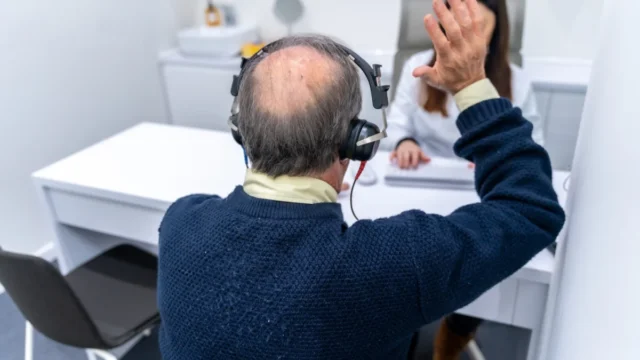
Accurately identifying the type of hearing loss is the cornerstone of effective intervention. While individuals may notice symptoms, self-diagnosis is unreliable due to overlapping presentations. A professional audiological evaluation is essential.
Key Diagnostic Tools:
- Pure-Tone Audiometry: This test measures an individual’s hearing thresholds across a range of frequencies, revealing the degree and configuration of hearing loss.
- Tympanometry: This test assesses the function of the middle ear and eardrum, helping to identify issues like fluid buildup or eardrum perforation, indicative of conductive hearing loss.
- Otoacoustic Emissions (OAEs): These tests measure the "echoes" produced by the outer hair cells in the cochlea in response to sound. The absence of OAEs can suggest SNHL.
- Auditory Brainstem Response (ABR): This test measures the electrical activity in the auditory nerve and brainstem in response to sound, helping to identify problems along the neural pathway.
Starting with an online hearing test can be a useful preliminary step, prompting individuals to seek professional evaluation if concerns arise. However, these online tools are not a substitute for a comprehensive diagnostic assessment by a qualified audiologist or ENT specialist.
Navigating Treatment Options: Restoring Auditory Function
The treatment strategy for hearing loss is intricately linked to its type, cause, and severity.
For Conductive Hearing Loss:
- Medical Treatment: Addressing underlying infections or inflammation with medication.
- Surgical Intervention: Procedures like myringoplasty (eardrum repair), tympanostomy tube insertion (for fluid drainage), or stapedectomy (for otosclerosis) can restore mechanical function.
- Hearing Aids: In cases where surgery is not an option or doesn’t fully restore hearing, hearing aids can amplify sound.
- Bone Conduction Devices: These devices bypass the outer and middle ear entirely, transmitting sound vibrations directly to the inner ear through the bones of the skull. Examples include the MED-EL BONEBRIDGE and ADHEAR systems, which are particularly beneficial for conductive or mixed hearing loss where conventional hearing aids are not suitable.
For Sensorineural Hearing Loss:
- Hearing Aids: These devices amplify sounds and can be programmed to compensate for specific frequency losses, making speech clearer and louder. Modern digital hearing aids offer sophisticated features to filter out background noise and enhance speech understanding.
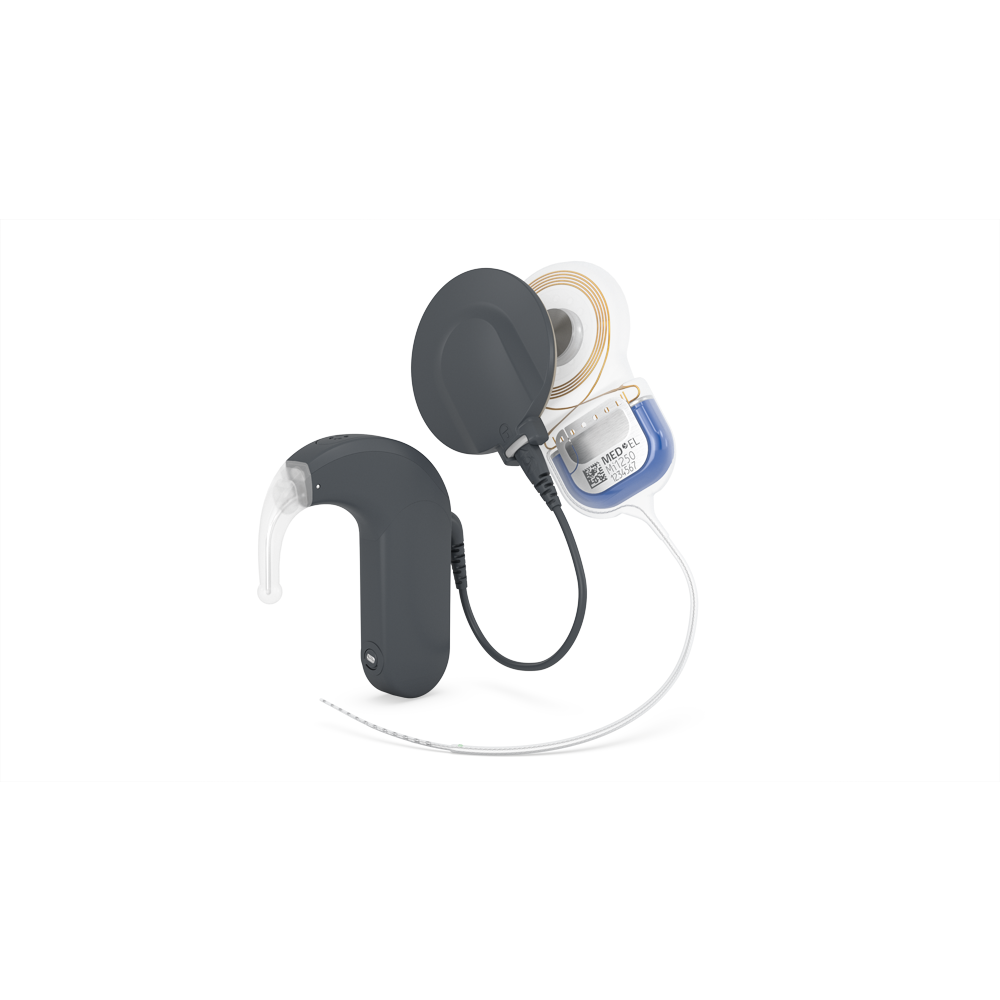
- Cochlear Implants: For individuals with severe to profound SNHL who do not benefit sufficiently from hearing aids, cochlear implants offer a revolutionary solution. These devices bypass damaged hair cells in the cochlea and directly stimulate the auditory nerve with electrical signals. MED-EL is a leading provider of cochlear implant systems, offering solutions like the SYNCHRONY 2 cochlear implant, designed for optimal audiological performance and comfort.
- Auditory Brainstem Implants (ABIs): In rare cases where the auditory nerve itself is severely damaged or absent, ABIs can be implanted to directly stimulate the brainstem, bypassing the nerve altogether.
- Assistive Listening Devices (ALDs): These include devices like FM systems, telecoils, and alerting devices that can enhance communication in specific listening situations.
The Broader Impact: Quality of Life and Early Intervention
Hearing loss, regardless of type, can have profound implications for an individual’s quality of life, impacting social interactions, cognitive function, emotional well-being, and even occupational opportunities. The World Health Organization estimates that untreated hearing loss costs the global economy over $977 billion annually due to lost productivity.
The message from experts like Dr. Yi Ge, Senior Manager of Medical Affairs at MED-EL, is clear: early detection and intervention are crucial. "Symptoms can overlap between different types of hearing loss, making professional testing indispensable," states Dr. Ge. "Sudden changes in hearing, in particular, require immediate medical attention to ensure timely diagnosis and treatment, which can significantly impact the outcome."
For those experiencing hearing difficulties, consulting a healthcare professional is the most vital first step. An accurate diagnosis paves the way for personalized treatment plans, empowering individuals to reconnect with the sounds of their lives and maintain a higher quality of existence. MED-EL, with its extensive expertise in hearing solutions, offers resources and support for individuals navigating the complexities of hearing loss, from initial assessment to advanced technological interventions.

The journey to understanding and managing hearing loss is a personal one, but by comprehending the fundamental differences between conductive and sensorineural types, individuals can become more informed participants in their auditory health journey, leading to more effective and life-enriching outcomes.