The Strategic Importance of the 2026 Conference
The NAD Conference has historically functioned as the primary mechanism for the organization to set its national agenda, elect leadership, and deliberate on resolutions that guide its advocacy efforts for the subsequent two-year cycle. By selecting San Francisco, the organization is leveraging a city with a deep history of disability rights activism, providing a symbolic and functional backdrop for a movement currently grappling with systemic inequities.
Under the guidance of Conference Chair Milmaglyn Morales and the NAD Board of Directors, the planning committee recently concluded a series of site visits to the host venue. These visits are essential to ensuring that the physical environment meets the rigorous accessibility standards required by the Deaf community—standards that often exceed standard Americans with Disabilities Act (ADA) requirements. The logistical oversight is currently spearheaded by Interim CEO Bobbie Beth Scoggins, whose leadership is focused on harmonizing the complex needs of thousands of attendees with the high-level professional programming the conference demands.
Collaborative Frameworks and Stakeholder Engagement
The success of a gathering of this scale relies heavily on the integration of local and national stakeholders. The NAD is coordinating with a wide array of partners to ensure a multi-faceted approach to the event. Key collaborators include the Registry of Interpreters for the Deaf (RID) Region V and its affiliate chapters, which are essential for providing the high-quality, professional interpretation services that remain the lifeblood of the conference.
Furthermore, the participation of Deaf in Government, the National Deaf Education Committee (NDEC), and the Education Section of the NAD highlights a deliberate focus on the intersection of professional development and educational policy. On the local level, the NAD is working in tandem with the City of San Francisco’s Office of Disability and Access. This public-private partnership is intended to ensure that the conference infrastructure—ranging from transportation to municipal accommodation—is fully integrated into the city’s broader disability access initiatives. Regional organizations, including NorCal Services for Deaf & Hard of Hearing, the Deaf Counseling Advocacy and Referral Agency (DCARA), and the Greater Los Angeles Agency on Deafness (GLAD), are also providing critical regional expertise to ensure that the conference reflects the diverse needs of the California Deaf community.
Contextualizing Current Challenges: The Advocacy Landscape
While the conference serves as a celebration, the underlying impetus for the 2026 gathering is a response to a volatile landscape of civil rights challenges. The NAD is currently tracking several critical issues that have reached a boiling point in the post-pandemic era.
- Interpreter Shortages: The demand for qualified American Sign Language (ASL) interpreters has significantly outpaced supply, particularly in medical and legal settings. This shortage creates a cascading effect, limiting access to justice and healthcare for Deaf citizens.
- Language Access Gaps: Despite federal mandates, the consistent implementation of ASL access in public spheres remains inconsistent. The NAD is actively monitoring policy shifts that threaten to dilute the effectiveness of the Rehabilitation Act and the ADA.
- Educational Inequities: The landscape of Deaf education is currently experiencing a period of transition, with ongoing debates surrounding mainstreaming versus specialized residential schools. The National Deaf Education Committee is at the forefront of these discussions, seeking to ensure that language deprivation—a significant risk factor for Deaf children—is treated as a public health and civil rights priority.
Digital Transformation and Organizational Infrastructure
In tandem with conference planning, the NAD is preparing to launch a comprehensive redesign of its digital infrastructure. The organization’s current website, a vital repository for advocacy toolkits, legislative alerts, and educational resources, is scheduled for a significant overhaul in the coming weeks. This digital migration is expected to improve accessibility for users who rely on screen readers and other assistive technologies.
From an organizational standpoint, this represents a shift toward a more modern, data-driven advocacy model. By streamlining access to information, the NAD aims to increase the engagement of its grassroots membership, allowing for more rapid mobilization when legislative threats to disability rights emerge at the state or federal level.
A Chronology of Planning
The road to the 2026 conference is mapped out across a rigorous timeline:
- Early 2025: Site selection finalization and initial contract negotiations with hospitality and service providers.
- March 2025: Community engagement sessions begin, allowing stakeholders to voice priorities for the conference agenda.
- Late 2025: Launch of the registration portal and the call for workshop proposals, which serves as a pulse-check on current research and advocacy trends within the community.
- Early 2026: Finalization of accessibility protocols, including specialized technical requirements for remote participation.
- Summer 2026: The official convening in San Francisco.
Data-Driven Advocacy
The NAD’s approach is increasingly informed by the need for hard data in legislative hearings. According to internal NAD reporting, the organization has seen a 25% increase in requests for assistance related to language access in the workplace over the last 24 months. This spike in demand underscores the urgency of the conference’s mission. By bringing together experts in legal, educational, and technological sectors, the NAD intends to produce actionable policy papers that can be presented to lawmakers.
The implication of these efforts is clear: the NAD is moving away from purely reactive advocacy toward a proactive, strategic model. The conference is the primary venue where this model is stress-tested. By gathering thousands of stakeholders in one location, the organization creates a dense network of professionals who can share best practices and replicate successful local advocacy efforts on a national scale.
Future Outlook and Membership Engagement
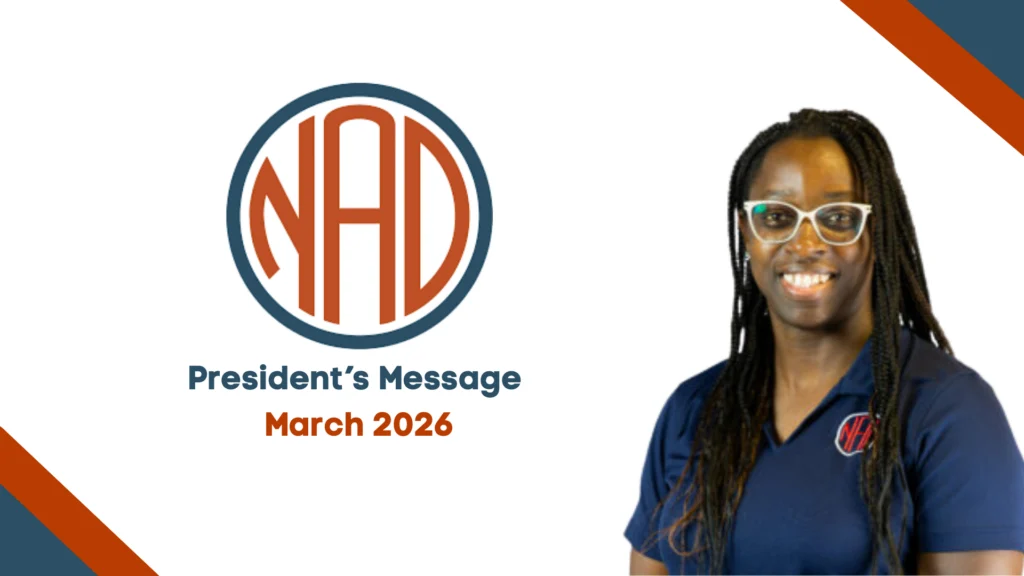
The NAD leadership, led by President Stephanie, has emphasized that the strength of the organization lies in the individual participation of its members. As the organization prepares for the 2026 cycle, the board has called for increased engagement from state associations and individual chapters.
The upcoming conference is expected to be one of the largest in the organization’s history, given the pent-up demand for in-person collaboration following years of remote or hybrid-limited gatherings. The focus will remain on the core mission: protecting the civil rights of the Deaf community while fostering a sense of cultural identity and linguistic pride.
As the NAD moves forward, it faces a complex set of variables. Economic fluctuations affecting travel and event costs, the rapid evolution of artificial intelligence in captioning and sign language recognition, and shifting political winds in Washington D.C. all present significant variables for the planning committee. However, by leaning on its long-standing partnerships with agencies like GLAD and the regional California organizations, the NAD appears prepared to navigate these challenges with a focus on sustainable, long-term advocacy.
For the latest updates, attendees and stakeholders are directed to monitor the official portal at www.nad.org/sf26, where upcoming deadlines for registration, housing, and speaker submissions will be posted. The success of the 2026 conference will ultimately be measured not just by attendance numbers, but by the tangible impact the resolutions passed there have on the lives of Deaf and hard-of-hearing Americans in the years that follow. The NAD has issued a clear message: the movement is growing, the challenges are significant, and the collective resolve of the community remains the most effective tool for progress.