The Critical Window: Early Diagnosis and Intervention
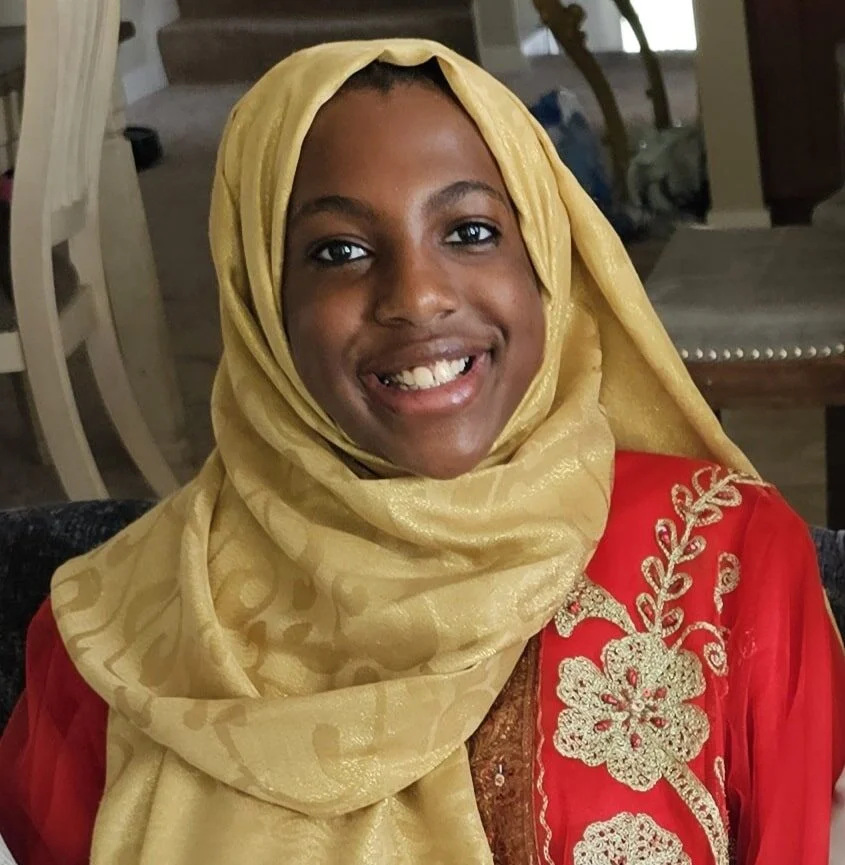
Amalia Faraji’s path began shortly after her birth with the clinical diagnosis of sensorineural hearing loss—a condition resulting from damage to the inner ear or the nerve pathways from the inner ear to the brain. This form of hearing loss is generally permanent, necessitating medical and rehabilitative intervention. In Amalia’s case, the timeline of her care was a decisive factor in her long-term success.
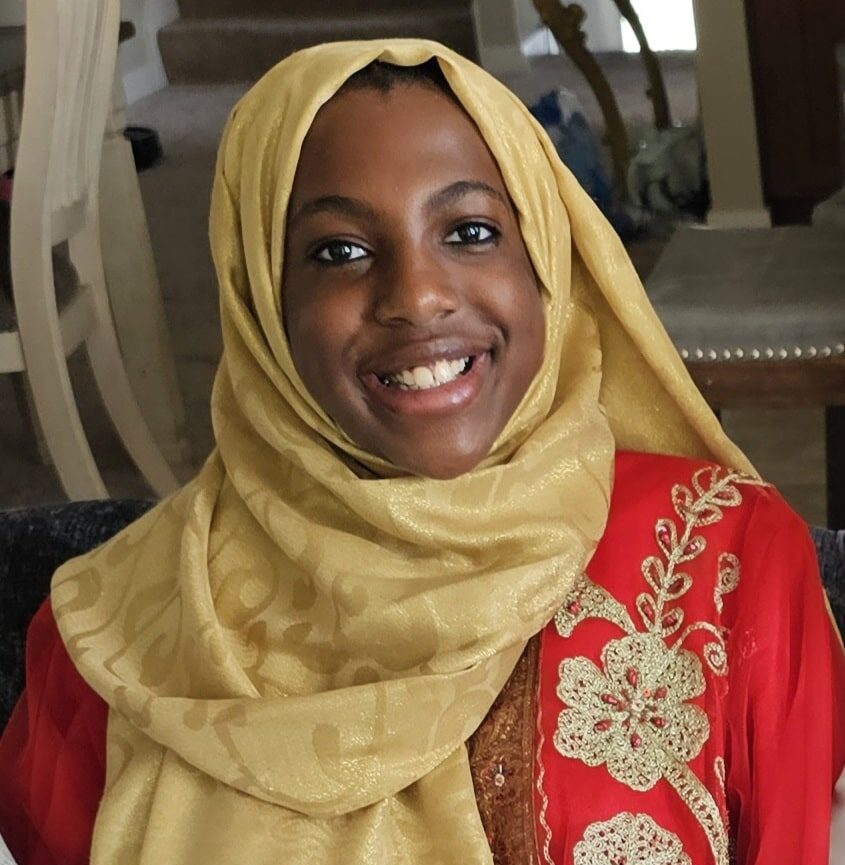
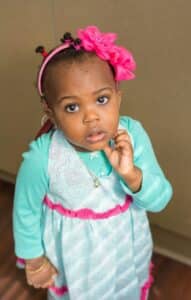
At ten months of age, Amalia underwent the surgical implantation of cochlear devices. Cochlear implants differ from traditional hearing aids in that they bypass damaged hair cells in the cochlea to stimulate the auditory nerve directly via electrical signals. Clinical data consistently demonstrates that the brain exhibits maximum plasticity during the first three years of life; consequently, intervention during this "critical window" is essential for developing the neural pathways required for speech perception and language acquisition.
Following her surgery, Amalia was enrolled in programs offered by Listen and Talk, an organization specializing in auditory-verbal therapy. Her early years involved participation in "Birth to Three" programs, followed by transition into a "Blended Classroom" model. This approach allowed her to engage with specialized therapists and educators who focused on maximizing the utility of her implants while simultaneously fostering linguistic development in a structured, supportive setting.
The Blended Classroom Model: Integration and Social Development
The "Blended Classroom" is a hallmark of modern educational strategies for children with cochlear implants. By exposing children to both peers with typical hearing and those with hearing loss, the program mimics the challenges and successes of a real-world social environment. For Amalia, this meant that the transition to a general education classroom was not a radical shift but rather a natural evolution of her daily experiences.
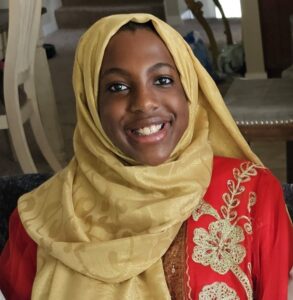
Educational experts often cite the "social-emotional learning" (SEL) benefits of these integrated models. Children who receive early LSL intervention often demonstrate higher self-efficacy, as they are equipped with the vocabulary and communication confidence to advocate for their needs. Amalia’s transition into mainstream academics allowed her to compete and collaborate alongside her hearing peers, effectively leveling the playing field through the foundational work laid during her toddler years.
Beyond the Classroom: Holistic Development Through Athletics
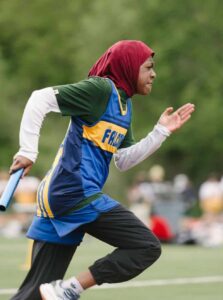
While academic performance is a primary metric for success, the holistic development of children with hearing loss is equally vital. Amalia’s involvement in diverse extracurricular activities—ranging from track and field to swimming and basketball—serves as evidence of the comprehensive benefits of her early intervention.
Athletics require a high degree of auditory processing, particularly in noisy environments like basketball courts or tracks. The ability to participate in these sports suggests that Amalia has reached a level of auditory proficiency where she can successfully navigate complex soundscapes. This level of engagement in team sports also provides critical lessons in communication, teamwork, and resilience, which are essential for navigating the transition into young adulthood. Her athletic achievements are not merely recreational; they represent a significant milestone in her ability to integrate into social and competitive environments without the limitations typically associated with sensory impairment.
Supporting Data: The Efficacy of Early Intervention
The success of the Listen and Talk model reflects broader trends in pediatric audiology. According to the Joint Committee on Infant Hearing (JCIH), infants who are identified with hearing loss and receive intervention before six months of age demonstrate significantly better language development than those identified later. By providing services that focus on listening and spoken language, organizations like Listen and Talk align with the "1-3-6" rule: screening by one month, diagnosis by three months, and intervention by six months.
Furthermore, studies published in journals such as Pediatrics have shown that children with cochlear implants who receive intensive support in their early years are increasingly likely to graduate from high school and attend post-secondary education. The socioeconomic implications of this are significant, as early investment in these services reduces the long-term need for specialized support in later educational stages and improves overall workforce participation rates for individuals with hearing loss.
Organizational Impact: The Role of Alumni Giving
The sustained success of programs like those provided to Amalia depends heavily on philanthropic support. Organizations that provide specialized early intervention services often operate on a hybrid funding model, relying on public education partnerships and private donations. The 2026 Alumni Family Giving Campaign, currently being promoted by Listen and Talk, represents a strategic effort to ensure that the same level of care provided to Amalia remains accessible to current and future generations of families.
The initiative highlights the "pay-it-forward" nature of these organizations. By inviting alumni and their families to contribute, the campaign not only raises necessary funds but also strengthens the community of support for parents navigating the initial stages of a child’s diagnosis. For families receiving a new diagnosis, the ability to see the success of alumni like Amalia provides a tangible roadmap for their own expectations and goals.
Analysis: A Vision of Limitless Potential
The mission statement of Listen and Talk—"No child is limited by hearing loss"—is a declaration of intent that moves beyond medical management and toward full social inclusion. The case of Amalia Faraji demonstrates that when medical technology is paired with rigorous, expert-led educational support, the "limits" traditionally placed on children with sensorineural hearing loss are significantly expanded, if not removed entirely.
However, the analysis of this success must also consider the ongoing need for systemic support. While Amalia’s story is one of triumph, it also serves as a reminder that the quality of outcomes for children with hearing loss is often contingent upon the availability of specialized resources. Ensuring that these resources remain available in communities across the country remains a key public health challenge.
Conclusion
Amalia Faraji’s development from an infant with hearing loss to a versatile student-athlete is a testament to the power of timely intervention and the dedication of the professionals who support it. Her story provides a clear illustration of how clinical and educational milestones are reached. As she moves forward into the next chapter of her life, her experience remains a benchmark for what is possible when families, therapists, and educators work in tandem to provide the tools necessary for success.
For organizations involved in this sector, the challenge remains to replicate these successes at scale. By continuing to prioritize the "listening and spoken language" approach and encouraging community investment through campaigns like the Alumni Family Giving effort, the goal of creating an environment where hearing loss does not dictate a child’s future remains an achievable reality. The narrative of the Faraji family is not just a personal story; it is a validation of a model that continues to change lives, one child at a time.