A Lifelong Passion for Sound and Activity Interrupted
Brogan’s journey with hearing loss began in her teens. Diagnosed with a hereditary, progressive hearing impairment, she received her first hearing aids at 18. "One of my earliest memories was realizing I couldn’t hear people sitting in the back seat of the car when I was driving," she recalls. This early challenge foreshadowed a future where auditory awareness would be a constant consideration. Her passion for an active lifestyle, which included competitive Highland dancing, further underscored the impact of her hearing loss, particularly when struggling to hear the bagpipes during competitions.
The progressive nature of her hearing loss meant that by her late 30s, despite managing a demanding career as an audiologist and raising two children, hearing aids were no longer sufficient. This realization led her to pursue bilateral cochlear implants, a decision she states was "inspired by her own hearing journey."
The Water Dilemma: A Choice Between Connection and Immersion
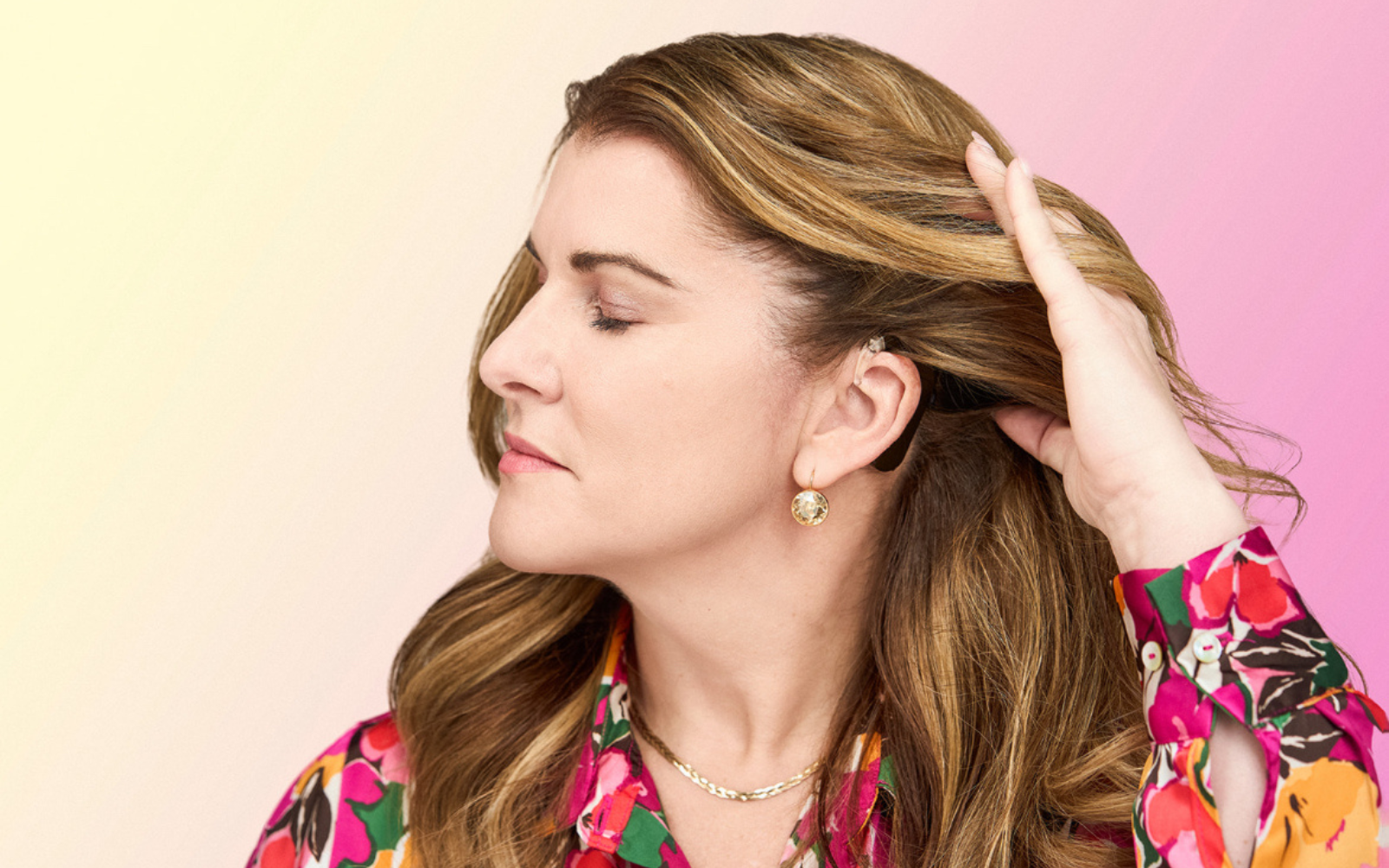
For individuals with bilateral cochlear implants, the decision to engage in water activities often presents a stark choice: immerse oneself in the experience without the ability to hear, or remain connected to sound by abstaining from water altogether. Brogan experienced this dilemma acutely. "For 20 years, while I wore hearing aids, water became something I gradually avoided," she explained. The fear of damaging her devices was compounded by the isolation experienced when she removed them. "Every trip to the beach, every day on the boat, every afternoon at the pool meant making a choice between protecting my devices or staying connected with the people around me." This compromise led her to gradually withdraw from many activities she once cherished.
The significance of this challenge is amplified when considering the prevalence of hearing loss and the desire for active lifestyles. Data from the World Health Organization (WHO) indicates that over 5% of the world’s population, or 430 million people, require hearing rehabilitation. For many, this includes the use of hearing aids or cochlear implants, technologies that, until recently, posed significant limitations around water.
MED-EL WaterWear: Reconnecting with Sound Underwater
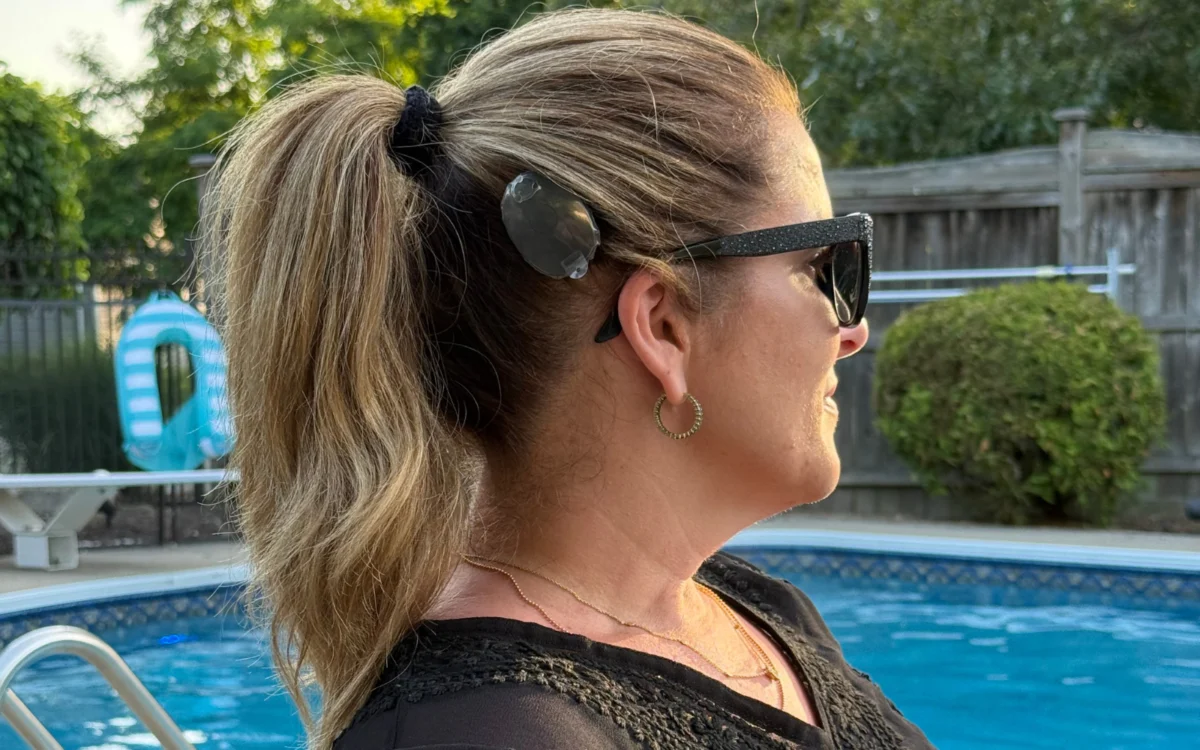
The introduction of MED-EL’s WaterWear accessory marked a turning point for Brogan. "I started using WaterWear years ago," she stated. The impact was immediate and profound. "One of the biggest surprises with WaterWear was realizing I could actually hear while I was fully submerged. I still remember how amazed I was the first time it happened." This technological advancement allowed her to overcome the long-standing barrier between her auditory experience and water-based activities.
The accessory functions by creating a watertight seal around the audio processors of MED-EL cochlear implant systems, enabling them to be submerged in water. This is particularly crucial for bilateral CI users, as removing both processors results in complete loss of hearing. The development of such waterproof solutions addresses a critical need for enhanced quality of life and social inclusion for individuals with hearing implants.
A Transformative Experience: From Avoidance to Active Participation

Brogan’s personal anecdotes vividly illustrate the impact of WaterWear. She shared a cherished memory of floating in her pool, "completely relaxed, while still hearing my kids laughing and splashing around me." This simple yet profound experience encapsulates the essence of regaining lost moments.
Her professional insight as an audiologist further informs her perspective. She frequently encounters individuals who fear that choosing a hearing implant will necessitate giving up water-based activities. "I understand that fear because I had it myself," she admitted. However, she now confidently advises them, "WaterWear made it possible to reconnect with activities I’d avoided for more than 20 years."
The implications of this technology extend beyond mere recreation. Brogan emphasizes the importance of communication and safety. "With WaterWear, I can hear people talking, I can hear the boat, and I can stay connected to conversations. That’s enjoyable, but it’s also important for communication and safety." This highlights the dual benefit of enhanced enjoyment and increased security in aquatic environments.
Travel Without Compromise: Embracing the World
Travel has always been a significant aspect of Brogan’s life, and WaterWear has become an indispensable travel companion. She recounts a memorable family trip to Arizona, where she was able to "jump right into the water with everyone else" while her daughter wakeboarded. "Before WaterWear, I never would have done that," she reflected. This anecdote underscores how the technology has facilitated spontaneous participation and deeper engagement with travel experiences.
The ability to enjoy hotel pools, hot tubs, beaches, boats, and lakes without constant concern for her hearing equipment has fundamentally altered her approach to vacations. This freedom from worry allows for a more present and immersive experience, fostering stronger connections with loved ones and a greater appreciation for her surroundings.
Beyond Protection: Restoring Confidence and Independence
Brogan articulates that the most significant benefit she has regained is confidence. "Confidence allows you to stay socially active. It gives you the freedom to try new things and participate fully instead of standing back because you’re worried about your hearing." This psychological shift is as crucial as the technological advancement itself. Before WaterWear, the anticipation of removing her processors often led to distress. Now, she experiences "confidence, connection, and freedom to enjoy the activities I love with the people I love."
This sentiment aligns with broader discussions in audiology regarding the holistic impact of hearing rehabilitation. Beyond restoring auditory function, effective solutions aim to improve social engagement, emotional well-being, and overall quality of life. Accessories like WaterWear play a vital role in enabling individuals to maintain their existing lifestyles rather than adapting their lives around their hearing technology.
Insights for New Users and Broader Implications
For individuals considering WaterWear, Brogan offers practical advice, emphasizing its versatility. She clarifies that it’s not solely for swimming but is beneficial in a wide range of water-related scenarios, including boating, paddleboarding, and relaxing at the beach. She also highlights its suitability for various demographics, from children at splash pads to adults enjoying cruises or lakes.
Her experience as both a hearing healthcare professional and a CI user provides a unique vantage point on the challenges and triumphs associated with hearing loss and its management. She advocates for solutions that empower individuals to live life on their own terms. "There is very little in my life that I’ve had to give up," she asserts, listing skiing, cycling, paddleboarding, and extensive travel as activities she continues to enjoy. Her cochlear implants, she concludes, "have opened my world rather than limiting it."
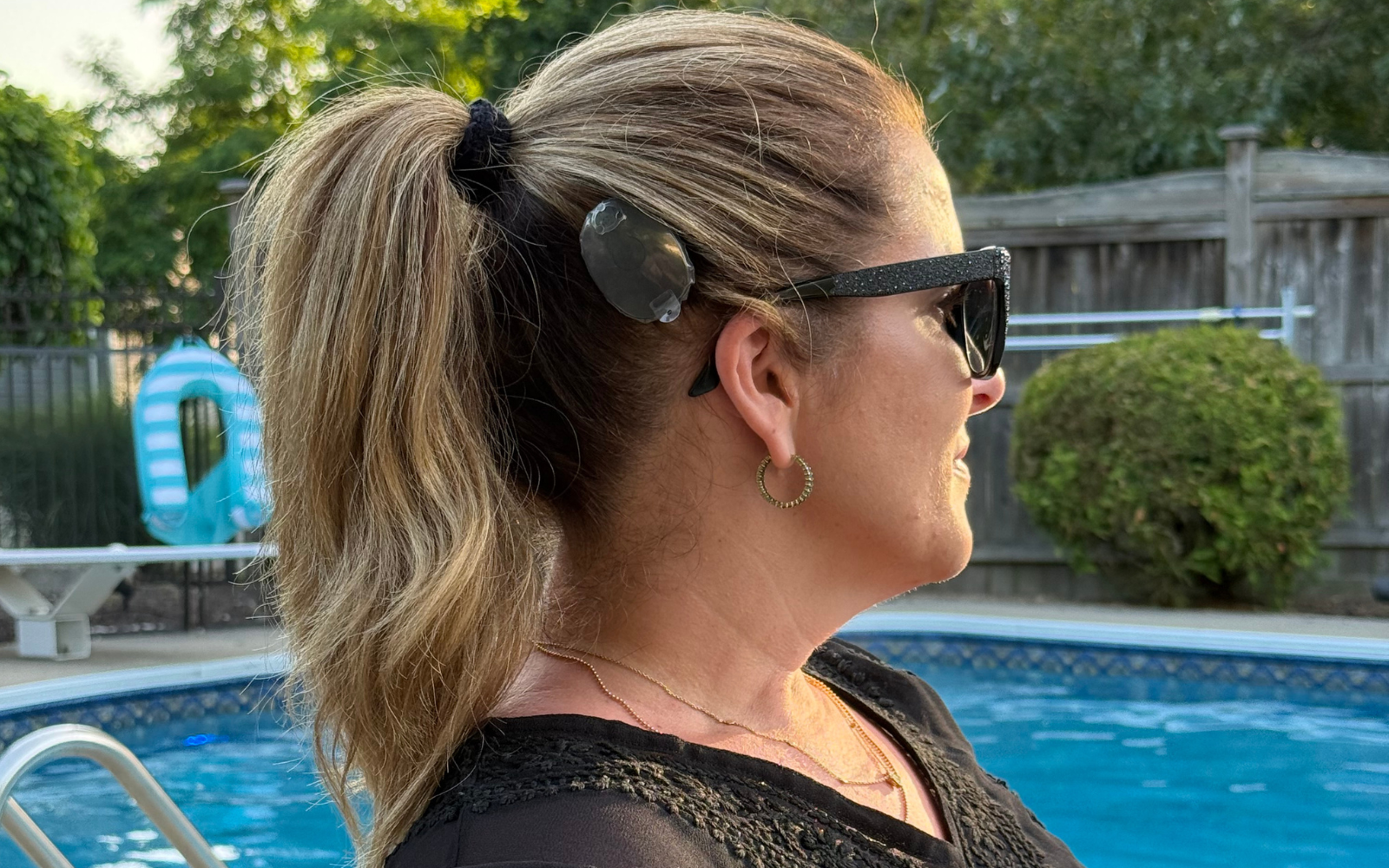
The transformation she has witnessed in her own life, and in the lives of her patients, fuels her passion. "So many individuals slowly lose pieces of their lives because of hearing loss. Then they receive an implant and begin getting those moments back, with more connection, more confidence, and less fear," she states, finding profound reward in facilitating this positive change.
MED-EL’s Commitment to Enhanced Lifestyle Solutions
MED-EL’s development of WaterWear underscores the company’s commitment to providing comprehensive solutions that address the diverse needs of individuals with hearing loss. By offering accessories that facilitate participation in a wider range of activities, MED-EL aims to empower its users to live fuller, more connected lives. The company offers an order request form on its website, indicating a proactive approach to making these lifestyle-enhancing solutions accessible to those who can benefit.
The story of Dr. Nashlea Brogan serves as a powerful testament to the evolving capabilities of hearing technology and its profound impact on restoring not just sound, but also freedom, confidence, and the joy of shared experiences. Her journey highlights that with the right tools and support, individuals with hearing loss can indeed live life without compromise, embracing every splash, wave, and conversation that comes their way.