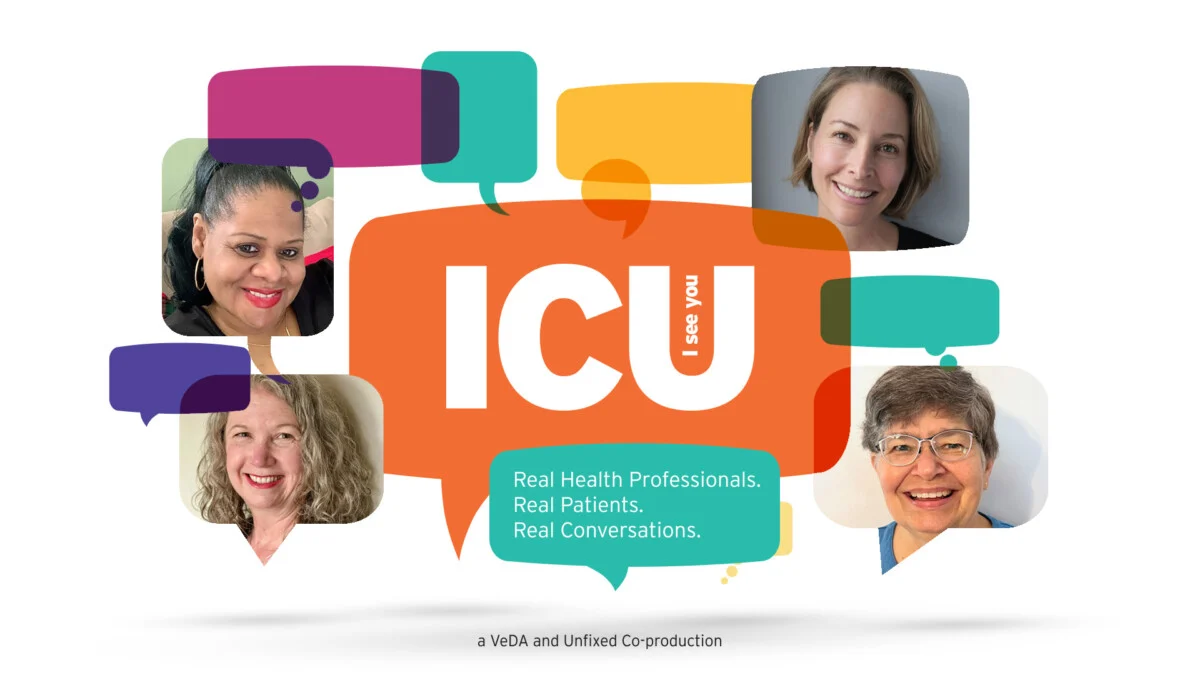
The Clinical and Psychological Landscape of Vestibular Dysfunction
For many patients, the onset of a vestibular disorder marks the beginning of a "hidden" crisis. Because symptoms like vertigo, oscillopsia (the illusion of an unstable visual world), and tinnitus are invisible to the naked eye, patients frequently report feelings of isolation and a lack of validation from the broader community. The ICU Podcast highlights that when the physical world begins to "spin" or "tilt" uncontrollably, the internal world often follows suit, leading to a high prevalence of secondary anxiety and depression. It is within this vacuum of stability that spirituality often emerges as a critical tool for cognitive and emotional reframing.
Chronology of Adaptation: From Onset to Advocacy
The experiences of Lynn Johnson and Reverend Carol Rexroad Cannon provide a chronological roadmap of how chronic illness necessitates a total reconstruction of the self.
For Lynn Johnson, the shift began abruptly in 2015. Previously an award-winning high school biology teacher, Johnson was thrust into a medical odyssey following the sudden onset of severe imbalance and debilitating tinnitus. The subsequent diagnosis of Autoimmune Inner Ear Disease (AIED) and Bilateral Vestibular Hypofunction led to profound hearing loss and a permanent loss of mobility. The timeline of her illness illustrates a common trajectory for vestibular patients: a period of acute crisis, a search for a definitive diagnosis, the grief of career loss, and eventually, the transition into patient advocacy. As a VeDA Ambassador and leader of support communities, Johnson now utilizes her background in biology and her personal faith to assist others in navigating the complexities of AIED.
Reverend Carol Rexroad Cannon’s journey followed a similar, albeit distinct, path beginning in 2016. Having served as a pastor for four decades, her diagnosis of vestibular neuritis and the development of PPPD challenged her ability to perform the very duties that defined her life’s work. The sensory overload of church meetings and the physical demands of pastoral care required a radical reassessment of her professional and spiritual limits. Her recovery, aided by Vestibular Rehabilitation Therapy (VRT), allowed her to return to a modified version of her calling, focusing on "presence" rather than high-output activity.
The Role of Spiritual Anchors in Chronic Care
The podcast discussion delineates spirituality not necessarily as a cure, but as an "anchor." This distinction is vital in a journalistic and clinical context. Johnson notes that her faith did not shield her from the clinical reality of depression; rather, it provided a structured environment in which to process her grief.
In professional chaplaincy and clinical psychology, this is often referred to as "meaning-making." When a patient loses their career or their physical independence, they face a crisis of "biographical disruption." Johnson and Cannon argue that spiritual practices—such as Bible journaling, meditation, and the observation of a "Sabbath" for rest—serve as stabilizers. For Johnson, the realization that her "gifts" (creativity, compassion, and teaching) remained intact despite her physical limitations was a turning point. This represents a psychological shift from a "deficit model" of disability to a "resource model," where the individual focuses on remaining capabilities.
Data-Driven Insights into Spirituality and Health Outcomes
While the ICU Podcast focuses on personal narratives, its themes are supported by broader academic research. Studies published in the Journal of Religion and Health consistently indicate that patients with high levels of spiritual well-being often experience lower levels of perceived pain and higher levels of treatment compliance. In the context of vestibular disorders, where recovery often involves grueling physical therapy (VRT) and significant lifestyle changes, the motivation provided by a spiritual or philosophical framework can be a deciding factor in long-term outcomes.
Furthermore, the podcast touches upon the "Spiritual Discipline of Rest." In a high-productivity society, chronic illness is often viewed as a failure of the body. Reverend Cannon’s theological defense of rest—positing it as a divine necessity rather than a personal weakness—offers a counter-narrative to the stigma of disability. This perspective is particularly relevant for PPPD patients, whose symptoms are often exacerbated by stress and sensory overstimulation.
Institutional Responses and the Need for Inclusive Communities
A significant portion of the discussion centers on how religious and social institutions respond to those with vestibular disorders. Reverend Cannon’s experience of having to "bolt" from meetings due to sensory overload highlights a critical gap in institutional accessibility.
Official responses from disability advocates suggest that faith communities and professional organizations must move beyond physical ramps and elevators to consider "sensory accessibility." This includes:
- Acoustic Management: Reducing echoes and multiple competing sound sources that can trigger symptoms in those with vestibular or hearing issues.
- Visual Stability: Avoiding high-contrast patterns or flickering lights that can induce vertigo.
- Flexible Engagement: Allowing for remote participation or "low-sensory" environments for meetings and services.
Reverend Cannon’s commitment to "presence over platitudes" also serves as a critique of common social responses to chronic illness. She emphasizes that telling a patient "everything happens for a reason" can be dismissive of their suffering. Instead, she advocates for a model of "lament," where the community acknowledges the pain of the individual without rushing to provide a superficial solution.
Broader Impact: The Biopsychosocial-Spiritual Model
The insights shared by Johnson and Cannon contribute to the evolving "biopsychosocial-spiritual" model of healthcare. This model posits that a patient’s health is the result of a complex interaction between biological factors (the vestibular system), psychological factors (anxiety and identity), social factors (community support), and spiritual factors (meaning and hope).
The broader implication for the medical community is the necessity of integrated care. When physicians treat a patient for vestibular neuritis or AIED, referring them to support groups (like those led by Johnson) or encouraging spiritual counseling (like that practiced by Cannon) may be as essential as prescribing vestibular suppressants or physical therapy.
Conclusion: Navigating the Spinning World
The ICU – “I See You” Podcast episode on spirituality and chronic illness concludes that while a vestibular diagnosis may permanently alter a person’s physical trajectory, it does not necessitate the end of a meaningful life. Through the stories of Lynn Johnson and Carol Rexroad Cannon, it becomes clear that the "miracle" of recovery is often found in the adaptation to new limits and the discovery of a resilience that exists independent of physical balance.
As the population ages and the prevalence of vestibular conditions rises, the intersection of spiritual health and clinical medicine will likely become a primary focus of holistic patient care. For the millions of individuals currently navigating the "spinning world," these spiritual frameworks offer more than just comfort; they provide a functional strategy for enduring the unendurable and finding a sense of peace in the midst of permanent uncertainty.