The Landscape of Tinnitus in the United Kingdom
Tinnitus affects an estimated 10 to 15 percent of the adult population in the United Kingdom. For many, the condition is manageable, but for a significant minority, it results in profound distress, sleep deprivation, anxiety, and depression. Tinnitus UK serves as the primary national body representing those affected by the condition, providing support services, advocating for increased research funding, and acting as a bridge between patients and the medical community.
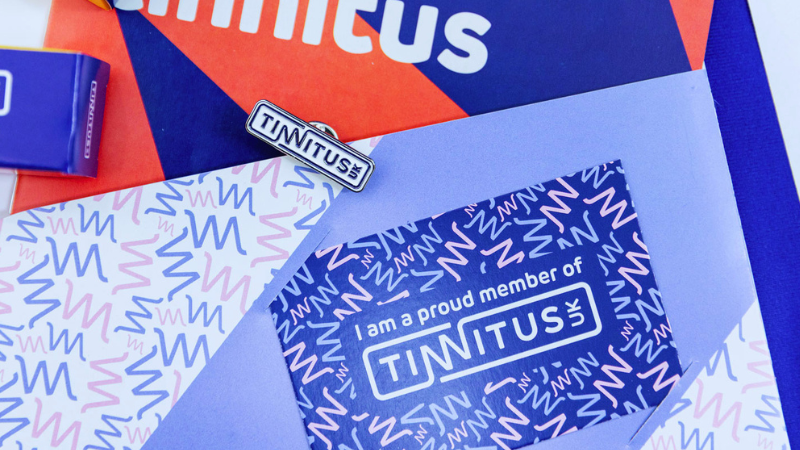
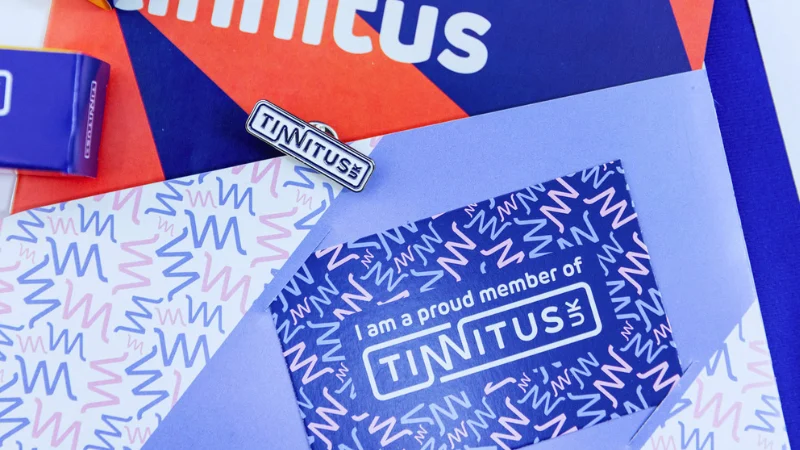
The organization’s membership program is designed to move beyond passive support, transforming those affected into active stakeholders in the national conversation surrounding auditory health. By formalizing this relationship through a £30 annual membership fee, the organization creates a sustainable stream of funding that directly fuels research initiatives and public awareness campaigns.
The Evolution of Tinnitus Advocacy: A Chronology
The history of formal support for tinnitus patients in the UK has evolved significantly over the last three decades. In the 1990s and early 2000s, support was largely decentralized, existing primarily through localized hospital-based clinics and informal peer-support groups. As the prevalence of noise-induced hearing loss and age-related auditory decline rose, the necessity for a unified national voice became apparent.
Tinnitus UK (formerly the British Tinnitus Association) underwent a strategic rebranding to modernize its outreach and consolidate its digital resources. The introduction of the current membership structure marks a shift toward a "patient-led" model, where members are no longer just recipients of information but are empowered to participate in governance through the Annual General Meeting (AGM) and gain direct access to clinical experts.
Core Membership Benefits and Clinical Integration
Membership is structured to address both the practical daily needs of patients and the broader requirement for long-term health literacy. The core offerings are categorized into five distinct pillars:
1. The Welcome Pack and Educational Foundation
Upon registration, members receive a comprehensive welcome pack. This is not merely an introductory gesture; it serves as a clinical resource. The inclusion of the "Living with Tinnitus" guide is a primary intervention tool, offering evidence-based strategies for habituation and cognitive behavioral approaches to managing the emotional burden of the condition. By standardizing the information provided to new members, Tinnitus UK ensures that individuals are equipped with the same baseline understanding of their condition, which is a critical step in reducing the initial panic associated with diagnosis.
2. Expert-Led Clinical Engagement
Perhaps the most significant value proposition for members is the exclusive access to live webinars. Unlike public-facing forums that often suffer from misinformation, these sessions are hosted by vetted tinnitus experts, including audiologists, psychologists, and ENT consultants. The ability to participate in live Q&A sessions provides a level of direct access to clinical wisdom that is rarely available outside of a private consultation. Furthermore, the creation of a centralized "members hub" serves as a historical repository of these sessions, creating a longitudinal library of knowledge that is accessible 24/7.

3. The Role of Quiet Magazine in Health Communication
Print and digital media continue to play a vital role in health advocacy. The annual "QUIET" magazine functions as both a clinical update and a community-building tool. By combining peer-reviewed research summaries with personal narratives of resilience, the publication addresses the psychological aspect of chronic illness. Research suggests that hearing the lived experiences of others—"peer modeling"—is a highly effective tool in increasing patient self-efficacy and reducing the feelings of isolation that often accompany chronic tinnitus.
4. Monthly Updates and Professional Development
The "FOCUS" newsletter acts as a conduit for real-time developments in the tinnitus sector. For the average member, this means staying informed about the latest clinical trials, potential pharmacological breakthroughs, and policy shifts that may impact their access to care. For professionals—who make up a growing segment of the membership—the professional edition of the newsletter provides curated updates on industry-specific standards, training opportunities, and sector-wide networking, reinforcing the organization’s role as a nexus for clinical best practices.
5. Democratic Governance and Structural Participation
The invitation for members to vote in the AGM represents a democratization of the organization. By allowing members to influence the strategic direction of Tinnitus UK, the organization ensures that its advocacy goals remain aligned with the lived reality of those it serves. This creates a feedback loop: members provide the funds that allow for research advocacy, and in return, they dictate the priorities for that advocacy, ensuring that the patient perspective remains central to all institutional decision-making.

Economic and Societal Implications
The financial commitment of £30 per year is calibrated to be accessible to the widest possible demographic, yet it carries significant weight when aggregated. With the increasing burden of tinnitus on the National Health Service (NHS), the role of third-sector organizations like Tinnitus UK is becoming increasingly critical.
From an economic perspective, effective tinnitus management—facilitated by the resources and support provided by membership—reduces the reliance on costly, reactive emergency care. By promoting proactive self-management and education, the organization contributes to the overall reduction of the "tinnitus burden" on the healthcare system. Analysis of current health trends suggests that as the population ages, the demand for non-clinical, supportive resources will continue to grow. The Tinnitus UK membership model serves as a scalable solution to this rising demand, providing high-quality, expert-vetted resources at a fraction of the cost of traditional clinical services.
Official Perspectives and Future Outlook
While Tinnitus UK does not offer a "cure" in the traditional sense, the organization’s leadership emphasizes that the focus is on "living well." By fostering a community that prioritizes research, the goal is to shift the medical community’s perception of tinnitus from a symptom to be ignored to a condition to be treated and managed with urgency.

The current membership initiatives reflect a broader shift in patient advocacy, where the "patient" is treated as an expert in their own experience. By providing tools—both digital and physical—the organization is effectively decentralizing the management of tinnitus, placing the agency firmly in the hands of those who live with the condition daily.
As of mid-2026, the organization’s trajectory suggests a continued expansion of its digital offerings. The integration of more sophisticated, interactive webinars and the development of a more robust, research-focused portal for members indicate that the organization is preparing for a future where patient data and patient feedback are the primary drivers of innovation in the field of auditory health.
Conclusion: The Value of Collective Action
The decision to join Tinnitus UK is not merely an act of personal support but a contribution to a larger, necessary infrastructure. For the individual, the benefits are clear: access to verified information, expert guidance, and a community of peers. For the broader society, the membership program represents a vital, patient-funded engine of progress. In a world where tinnitus remains a silent, often invisible struggle, the organized, informed, and collective voice of the membership provides the most robust platform for change. Whether through the direct impact of research funding or the indirect benefits of improved health literacy among the patient population, the membership program is an essential component of the national strategy to one day realize a world without tinnitus.