For the 16th consecutive year, fall protection remains the primary enforcement priority for the agency, highlighting a systemic failure in the construction and industrial sectors to adequately safeguard employees working at heights. While the Top 10 list provides a snapshot of regulatory non-compliance, it also serves as a diagnostic tool for safety professionals, signaling where training, equipment maintenance, and administrative oversight are most critically lacking.
A Persistent Pattern: The Fiscal Year 2026 Landscape
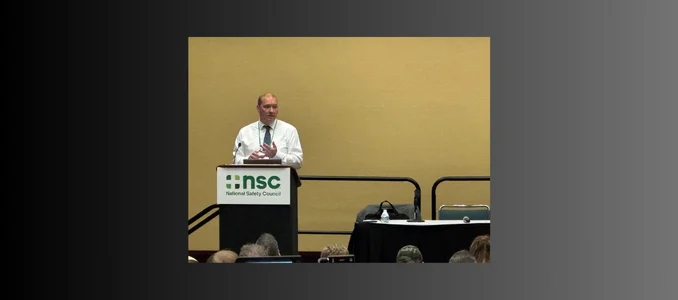
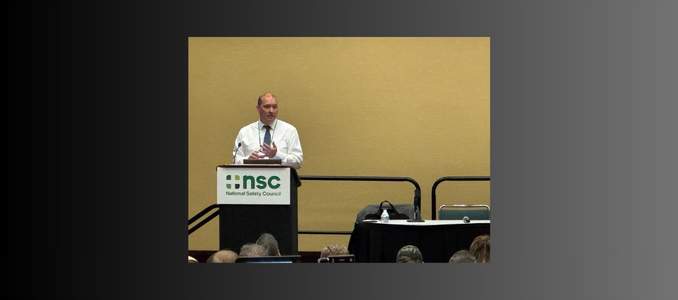
The data presented by Cline on Sept. 15 illustrates that non-compliance is not merely a matter of willful negligence, but often a result of operational complexities. Small and midsize enterprises, which often lack dedicated safety departments, remain the most frequent offenders. According to Cline, these employers often struggle to navigate the granular details of OSHA standards, leading to gaps in compliance that can have fatal consequences.
The 2026 list, while preliminary, reflects a consistent pattern of hazards that have plagued the workforce for over a decade. The inclusion of respiratory protection, powered industrial trucks, and machine guarding suggests that while technology and safety standards evolve, the basic mechanics of workplace injury prevention remain unmastered in many environments.
Chronology of Hazards: The 2026 Top 10 Breakdown
The following violations represent the most common failures documented by OSHA inspectors over the past fiscal year:

10. Machine Guarding (1910.212): With 1,072 violations, this standard remains a critical issue in manufacturing and processing environments. Machine guarding is the first line of defense against amputation, crushing injuries, and lacerations. Violations often involve the failure to anchor fixed machinery or the removal of point-of-operation guards to increase production speed.
9. Eye and Face Protection (1926.102): Recording 1,120 violations, this standard is frequently neglected in the residential construction and masonry sectors. The primary issues identified by inspectors include the use of non-compliant eyewear, a lack of side protection, and the total absence of face shields when workers are exposed to flying particles, molten metal, or chemical splashes.
8. Fall Protection—Training Requirements (1926.503): This category, with 1,273 violations, highlights the "human factor" of safety. It is not enough to provide a harness; if the worker does not understand how to inspect, fit, and use the equipment, the gear is essentially useless. Cline noted that the high turnover rates in construction exacerbate this issue, as new workers are often pushed into active job sites before receiving the mandatory safety certification.

7. Powered Industrial Trucks (1910.178): With 1,379 citations, this standard encompasses a wide range of failings, including unauthorized operation, lack of daily inspections, and failure to provide refresher training after an accident or a "near miss." Warehousing and logistics firms continue to struggle with balancing high-pressure throughput requirements with the rigorous safety protocols required for forklift operation.
6. Respiratory Protection (1910.134): Recording 1,608 violations, this standard has seen increased scrutiny following the occupational health awareness campaigns of the early 2020s. Common failures include the lack of documented fit testing, missing medical evaluations to ensure workers are physically capable of using a respirator, and the procurement of improper equipment for specific chemical or particulate hazards.
The Construction Challenge: A Fragmented Industry
A significant portion of the violations identified in the 2026 report is rooted in the structure of the modern construction industry. As Prent Cline observed during his presentation, the multi-employer nature of contemporary job sites creates a "fragmented" landscape. On a single residential or commercial project, dozens of subcontractors may operate simultaneously, each with different safety cultures and levels of regulatory sophistication.

When a general contractor fails to implement a cohesive safety management system, the burden falls on the individual subcontractor. If that subcontractor is a small operation with limited resources, safety training—and the associated costs of compliance—often becomes a secondary concern to project timelines. This fragmentation is precisely why OSHA has signaled an intent to increase its focus on the oversight responsibilities of general contractors, urging them to take greater accountability for the safety of all personnel on their sites.
Data-Driven Implications for Employers
The annual release of the Top 10 list is not intended merely to serve as a "name and shame" exercise. Rather, OSHA intends for the data to be utilized as a roadmap for safety directors and business owners to audit their own facilities.
Data from the Bureau of Labor Statistics (BLS) frequently corroborates the OSHA findings. Injuries involving falls, machine entanglement, and vehicle-related accidents consistently rank among the most costly and frequent causes of workers’ compensation claims. By focusing on these ten areas, employers can mathematically reduce their risk profile and minimize the likelihood of a disruptive and costly OSHA inspection.

Industry analysts suggest that the persistence of these violations points toward a need for a shift in safety culture. Rather than viewing safety standards as an external, bureaucratic imposition, companies that successfully navigate the Top 10 list are those that integrate safety into their daily operational workflows. This includes digital tracking of certification expirations, automated scheduling for respirator fit tests, and the institutionalization of daily equipment pre-shift inspections.
Official Responses and the Future of Enforcement
OSHA’s stance remains clear: the agency’s goal is to drive the numbers down, but it requires cooperation from the private sector. Agency officials have signaled that the 2026 fiscal year will be marked by more targeted, risk-based inspections. Instead of conducting randomized audits, OSHA is increasingly using data analytics to identify high-risk industries and geographical regions where compliance is statistically low.
"These are all issues that seem to crop up again and again," Cline emphasized. His sentiment echoes a growing frustration within the agency regarding the lack of improvement in specific sectors. Consequently, for the remainder of the fiscal year, OSHA is expected to leverage its full enforcement capabilities—including enhanced penalties and follow-up inspections—to ensure that the message reaches employers who have previously remained non-compliant.

Broader Impacts: Safety as a Business Imperative
The economic implications of these violations extend far beyond the direct cost of OSHA fines. When an employer is cited for a safety violation, the ripple effects include increased insurance premiums, potential project delays, damage to the firm’s reputation, and the immeasurable human cost of workplace accidents.
As the 2026 NSC Safety Congress & Expo demonstrated, the safety industry is moving toward a more proactive approach. Safety professionals are increasingly using wearable technology, artificial intelligence, and predictive analytics to identify hazards before an inspector ever arrives on site. However, as Cline’s report demonstrates, even the most sophisticated technology cannot replace the fundamental requirement of consistent training and the enforcement of basic safety standards.
For small and midsize businesses, the path forward is clear: start with the Top 10. By addressing the violations that appear on this list—specifically focusing on fall protection, respiratory health, and operator training—employers can move from a state of reactive compliance to one of proactive risk management. The 2026 data serves as a final reminder that until these persistent gaps are closed, the workforce remains vulnerable to hazards that have been well-understood and preventable for decades.