The Genesis of the Child Labor Compliance Assistance Team
The formation of the CLCAT represents a multi-agency effort to consolidate enforcement and education. The initiative integrates the expertise and jurisdictional reach of Cal/OSHA, the Labor Commissioner’s Office, the Employment Development Department (EDD), and the Agricultural Labor Relations Board (ALRB). By pooling these resources, the state aimed to create a more cohesive presence in the field, ensuring that agricultural employers—who often manage complex seasonal labor needs—are fully apprised of both federal and state mandates.
Historically, the agricultural sector has faced scrutiny regarding the employment of minors. While the state recognizes the historical and cultural importance of youth participation in agricultural activities, the risks associated with manual labor—particularly in extreme climate conditions—have necessitated a more robust regulatory framework. The pilot program was designed not as a punitive measure, but as a compliance-first initiative to educate employers on the nuances of work permits, restricted hours for minors, and the prohibited tasks that fall outside the legal scope for workers under the age of 18.

Chronology of the Summer Outreach Phase
The outreach program began in early July, following reports of increased labor demand during the peak harvest season. During the first few weeks, the focus was primarily on high-density agricultural regions, including the Central Valley and coastal growing districts. By mid-summer, the CLCAT had reached a critical mass of inspections, targeting worksites where young workers were identified or where the nature of the crops necessitated labor-intensive manual harvesting.
Throughout August, the intensity of these visits increased as temperatures across California reached record highs. The program shifted from a general educational focus to a high-priority safety campaign, emphasizing the "Heat Illness Prevention" (HIP) standard. By early September, the team had surpassed the 500-visit milestone, effectively doubling the initial outreach goals set by the DIR. The data gathered during these weeks is now undergoing systematic review, which will define the scope and frequency of future inspections.

Addressing Vulnerability and Workplace Hazards
A core premise of the DIR’s outreach is the understanding that young workers possess a unique vulnerability profile. Many of these individuals are entering the formal labor market for the first time, often possessing limited familiarity with their rights as employees or the specific risks associated with heavy machinery, pesticides, and manual labor under the sun.
According to labor experts, the lack of "workplace socialization"—the process by which a worker learns to identify hazards and communicate concerns to supervisors—is a significant risk factor for injury. When a minor is unfamiliar with the protocol for reporting a fatigue-related issue or an unsafe condition, they are statistically more likely to suffer preventable injuries. The CLCAT visits served to fill this knowledge gap, with officials providing multilingual educational materials to both employers and the workforce to ensure that safety protocols are not just printed in handbooks, but are understood by those on the front lines of production.

Cal/OSHA Standards and Heat Illness Prevention
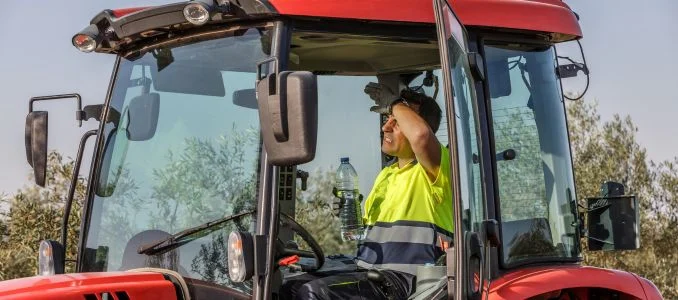
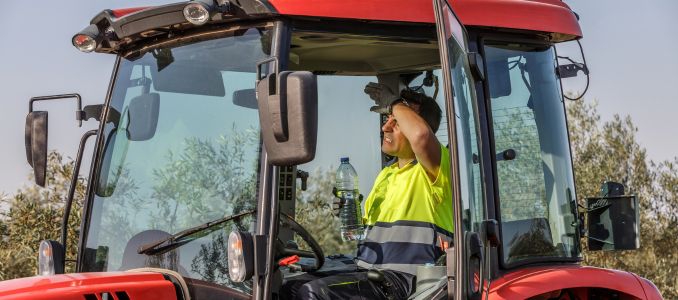
For agricultural workers in California, the most persistent environmental threat is heat stress. Cal/OSHA’s heat illness prevention standards are among the most stringent in the nation, requiring employers to provide more than just basic necessities. These mandates include:
- Water Access: Employers must provide fresh, pure, and suitably cool water at no cost, located as close as practicable to the work area.
- Shade Requirements: Shade must be present when temperatures exceed 80 degrees Fahrenheit, or earlier if requested by an employee. The shade must be open to the air or provided with ventilation.
- Acclimatization: New workers, or those working during a heatwave, must be closely monitored during their first 14 days of employment to ensure their bodies have adjusted to the thermal load.
- Emergency Procedures: Supervisors must be trained in identifying the early symptoms of heat exhaustion and heat stroke, with a clear, actionable plan to contact emergency services.
During the 541 visits, CLCAT members specifically audited these provisions. For many employers, the interaction provided a "pre-enforcement" opportunity to correct minor deficiencies—such as insufficient shade structures or inadequate water placement—before a formal citation was necessary.

Data-Driven Regulatory Oversight
The DIR’s approach to this pilot program reflects a growing trend in public administration: the use of predictive and observational data to refine enforcement. By visiting 22 counties, the state has gained a granular look at the varying challenges of different crops and geographic regions. For example, the requirements for a vineyard in Napa may differ significantly from the logistical challenges of a row-crop operation in Fresno.
The information collected during these months—which includes the demographics of the workforce, the frequency of youth employment in specific sectors, and the common hurdles to compliance—will be utilized to tailor future regulatory guidance. Industry analysts suggest that this collaborative approach is likely to improve long-term outcomes, as it reduces the "adversarial" nature of inspections and encourages a culture of safety that benefits both the employer’s bottom line and the employee’s well-being.

Economic and Legal Implications for Agricultural Employers
For the agricultural industry, these outreach efforts come at a time of tight labor markets and increasing operational costs. Employers are balancing the need for reliable labor with an increasingly complex regulatory landscape. The state’s intervention serves as a reminder that compliance is a legal requirement that carries significant financial and operational risks. Non-compliance with child labor laws can lead to hefty fines, stop-work orders, and potential loss of operating licenses.
Furthermore, the legal landscape regarding minor labor in California is strict. Minors are often restricted from operating specific types of heavy equipment, handling hazardous chemicals, or working during school hours. By providing clear guidance, the CLCAT is effectively mitigating the risk of inadvertent violations that could lead to litigation or severe reputational damage for agricultural firms.

Future Trajectory: Moving Beyond the Pilot
The success of the 541-site pilot has prompted discussions regarding the permanent institutionalization of the Child Labor Compliance Assistance Team. While the pilot was explicitly designed to gather information and provide assistance, its success in reaching such a large number of sites suggests that the state may transition toward a hybrid model of education and targeted enforcement.
Stakeholders, including agricultural trade groups and worker advocacy organizations, are currently evaluating the pilot’s impact. While some industry representatives have expressed concerns about the frequency of unannounced visits, there is broad consensus on the importance of maintaining a safe environment for youth. The DIR has indicated that the data gathered this summer will be foundational for the upcoming 2027 season, with a focus on refining outreach methods and ensuring that the most remote agricultural communities receive the same level of safety support as those in more accessible regions.

Conclusion: A Shift Toward Proactive Protection
The 541-site outreach program underscores a pivotal shift in California’s labor policy: a movement away from reactive, post-incident investigations toward proactive, on-site education. By embedding the principles of safety, heat illness prevention, and labor law into the daily operations of agricultural worksites, the state is making a concerted effort to ensure that the next generation of workers is protected from the inherent risks of the industry.
As California continues to lead the nation in agricultural production, the balance between economic output and worker welfare remains a delicate one. The summer outreach initiative demonstrates that through inter-agency cooperation and consistent communication, the state can successfully navigate these challenges, setting a national benchmark for how to effectively safeguard young workers in one of the most demanding industries in the world. As the state reviews the data from the 22-county pilot, the goal remains clear: to create an agricultural sector where productivity is matched by a steadfast commitment to the health, safety, and legal protection of every worker, regardless of age.