A Global Stage for Young Visionaries
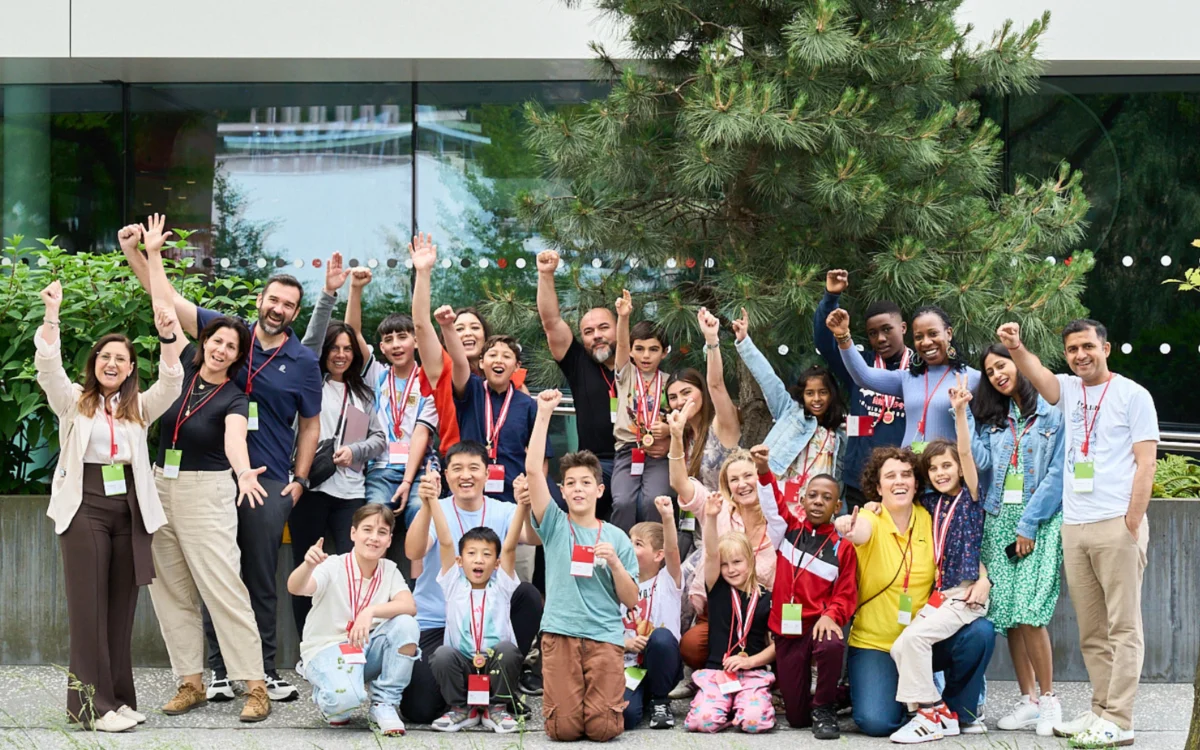
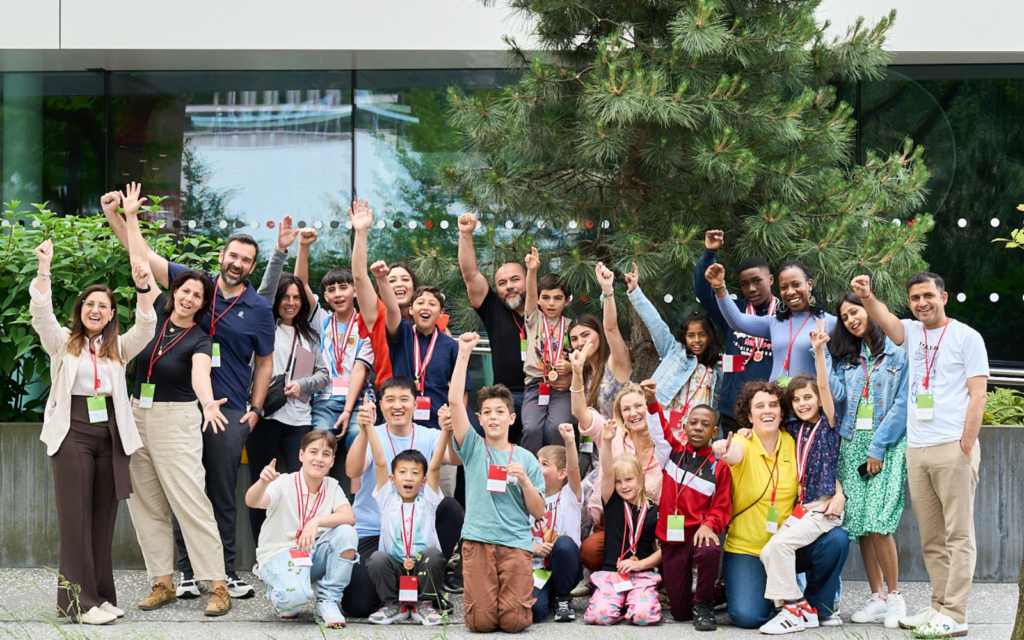
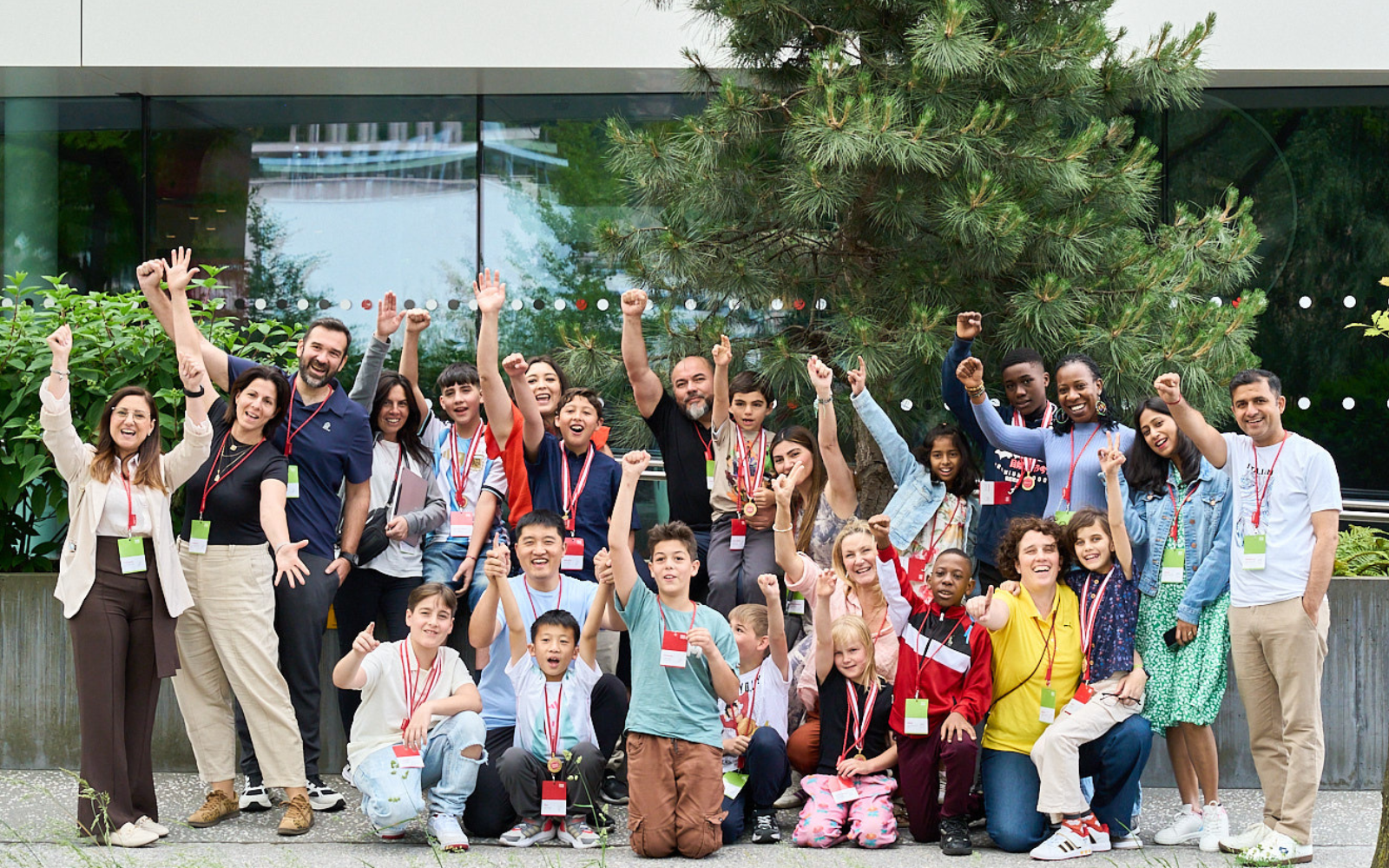
The IDEASforEARS event, now a cornerstone in MED-EL’s commitment to fostering innovation from the user’s perspective, brings together young individuals from across the globe who have direct experience with hearing implant technology. These young innovators gather annually at MED-EL headquarters to present inventions conceived from their unique lived experiences. Their ideas are consistently characterized by their creativity, thoughtfulness, and deep personal resonance, vividly demonstrating how children who grow up with hearing technology not only benefit from ongoing advancements but also actively shape the future trajectory of hearing solutions. This year’s event, held on June 9, 2026, highlighted a new cohort of young minds eager to share their perspectives and potential breakthroughs.
Innovation Rooted in Lived Experience
The children participating in IDEASforEARS are not merely recipients of technology; they are active thinkers, envisioning the next wave of innovation. Their inventions are born from the everyday challenges and opportunities they encounter, translating personal needs into tangible solutions.
Christos, Age 11, Greece: The AI-Powered Cochlear Implant
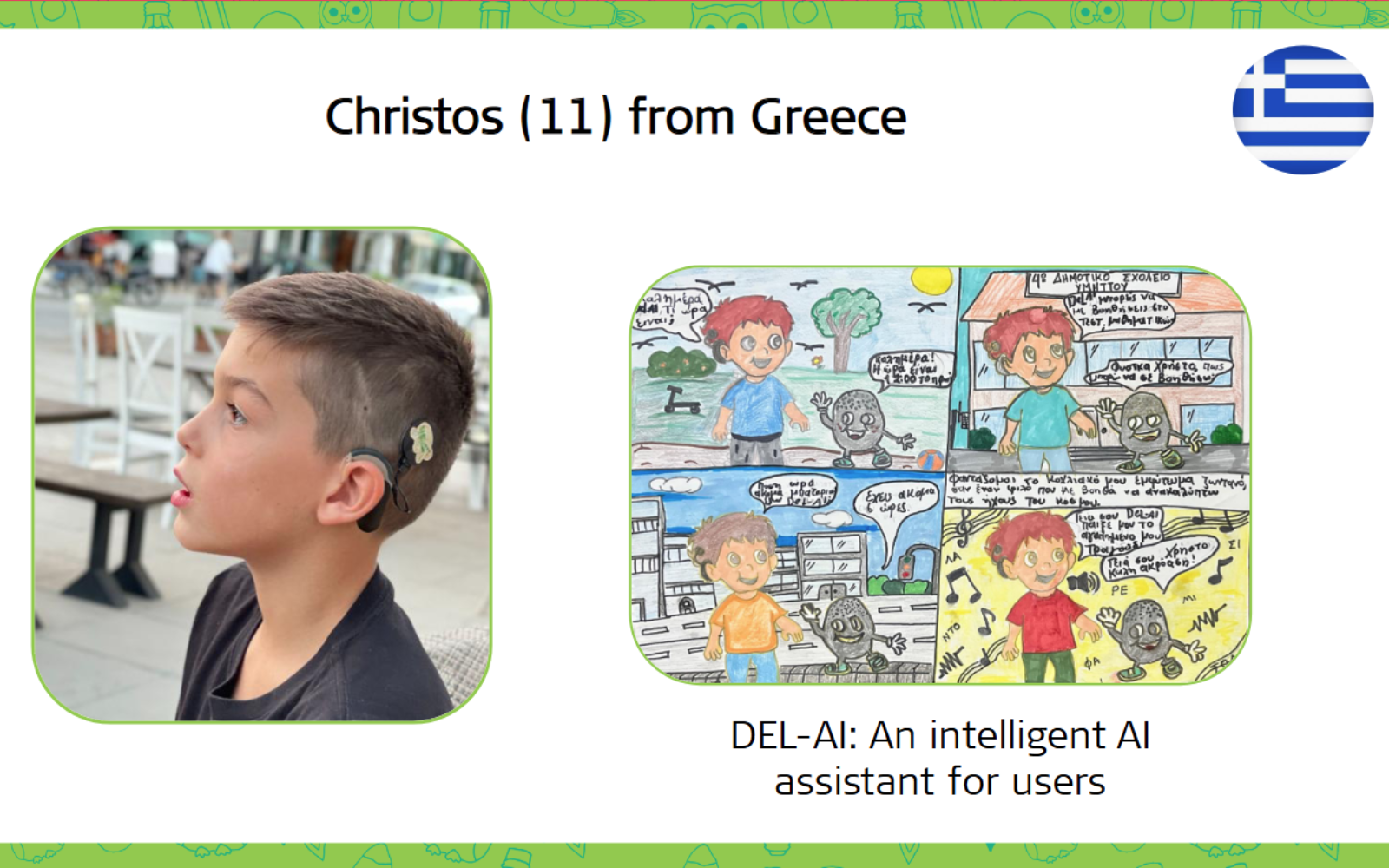
Christos, an 11-year-old from Greece, received his first cochlear implant at 15 months old and his second at two and a half years. For him, hearing is synonymous with "communication with friends and contact with nature." His personal journey with hearing loss and subsequent implantation has fueled a desire for more seamless and intuitive technology.
Inspired by his daily interactions, Christos conceptualized an artificial intelligence (AI)-powered cochlear implant designed to automatically adapt to diverse listening environments. His envisioned device would allow users to control volume through voice commands, effectively mitigate loud background noise, and simplify battery life monitoring. A particular focus for Christos is enhancing clarity in noisy classroom settings, where distinguishing a teacher’s voice can significantly impact a child’s learning experience and academic success. He stated, "I wanted loud noises not to bother me, and to be able to turn the volume down with just a command." This invention addresses a critical need for improved auditory processing in complex soundscapes, a common challenge for many cochlear implant users.
Georgie, Age 11, Canada: "All Hear Together" for Inclusive Classrooms
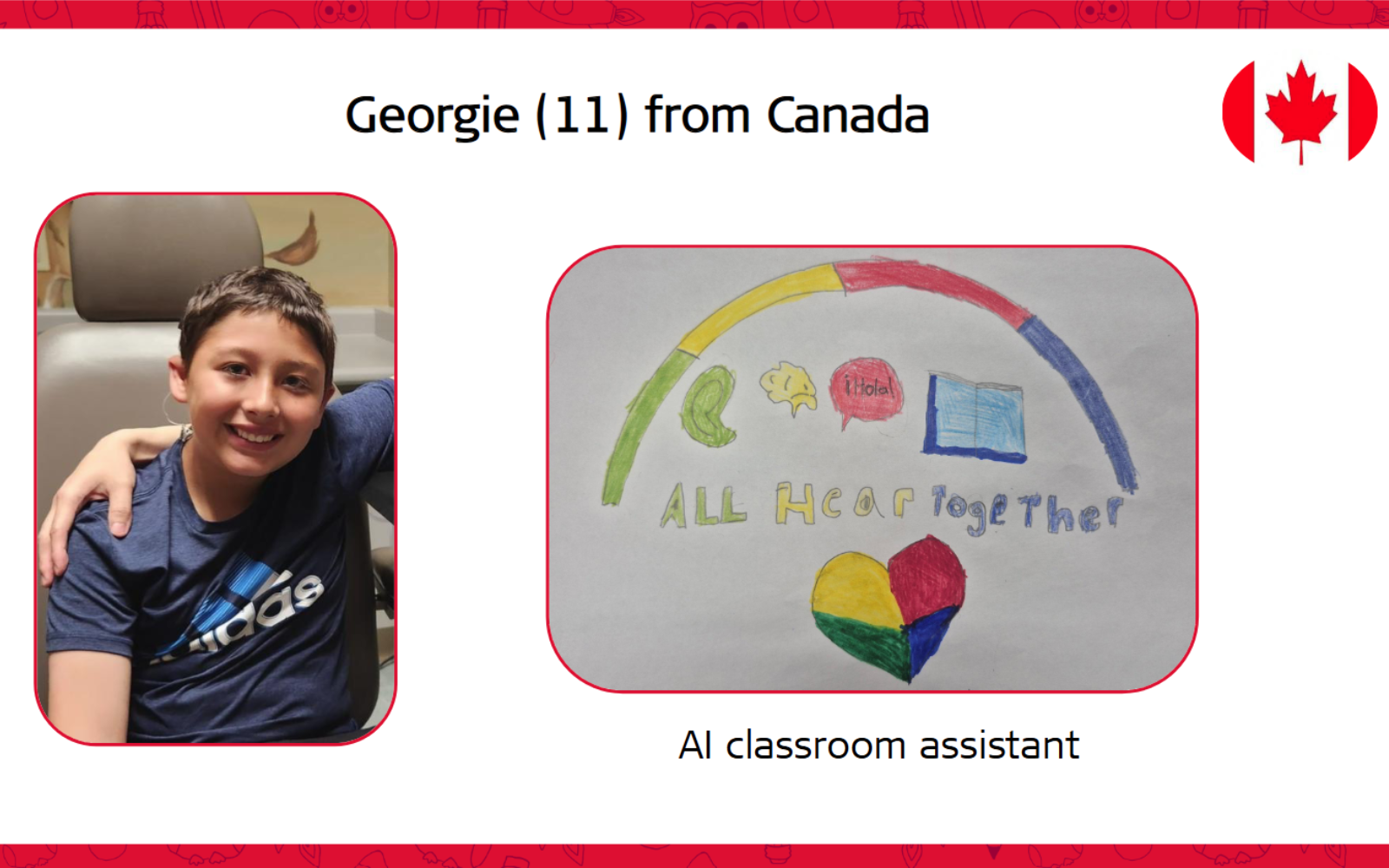
Georgie, also 11 years old and hailing from Canada, is driven by the aspiration to create more inclusive educational environments for all students. Born with microtia and experiencing hearing loss, Georgie navigated a lengthy process of appointments, therapies, and assessments before receiving his hearing implant at the age of nine. He vividly recalls the transformative moment his device was activated: "Everything sounded clear. For the first time, I could truly understand sounds. That moment changed my life."
Georgie’s innovative project, aptly named "All Hear Together," is an AI-based classroom application engineered to support students with a range of needs, including hearing loss, language barriers, Attention Deficit Hyperactivity Disorder (ADHD), and autism. The software aims to provide real-time captions, instant translations, visual aids, and direct audio streaming to hearing devices. His motivation stems directly from his experiences in multicultural classrooms where many students grapple with learning in a new language while simultaneously managing diverse educational requirements. Georgie articulated his vision: "I wanted to create something that helps everyone feel included and gives all students the same opportunity to understand and learn." This initiative highlights the growing recognition of technology’s role in addressing multifaceted learning challenges and promoting equitable educational access.
Santino, Age 12, Argentina: The Vibrating Bracelet Alarm
Santino, a 12-year-old from Argentina, developed an invention that addresses a practical daily concern for many implant users: independence in waking up. As he has grown older, Santino has become increasingly aware of the practical challenges faced by individuals with hearing implants, particularly concerning nighttime and morning routines.

His ingenious idea is a vibrating bracelet alarm system designed to alert cochlear implant users when they are not wearing their audio processors. This simple yet effective solution aims to empower users to wake up independently, ensuring they don’t miss important events or responsibilities. Santino shared his early inspiration: "When I was 8 years old, I used to think about how I would wake up by myself when I grew up." This invention underscores the importance of developing assistive technologies that support independence and daily living for individuals with hearing loss.
The Profound Impact of Early Intervention
Underpinning the remarkable inventions presented at IDEASforEARS are several common threads, most notably the critical importance of early diagnosis, comprehensive support, and timely access to sound. The success stories of these young innovators are inextricably linked to the proactive interventions undertaken by their families and medical professionals.
Christos’s Journey: A Foundation for Confidence
Christos’s parents recognized his need for additional hearing support when he was just one year old. The subsequent implantation and dedicated therapy yielded significant positive outcomes in his speech, communication abilities, and overall confidence. His parents reflect on the profound impact: "If someone does not notice that he wears a cochlear implant, they would not realize that this child was born deaf." This testament highlights how early and effective intervention can lead to near-natural hearing development, enabling children to integrate seamlessly into their environments.
Santino’s Path to Auditory Fluency
Santino’s hearing journey also commenced in infancy. Diagnosed as a baby, he began speech therapy at six months old and utilized hearing aids before becoming a candidate for bilateral cochlear implants, which he received at the age of two. His mother emphasizes the vital role of patience and consistent therapy post-activation. She recalls, "Santi not only started speaking but also learned how to listen, and that was when we realized: Yes, this is really working!" This narrative illustrates the transformative power of early auditory rehabilitation, enabling not just vocalization but also the fundamental skill of auditory perception.
Georgie’s Resilient Progression
Georgie’s family navigated a particularly demanding and emotionally taxing path. His parents’ dedication was so profound that they relocated to ensure he had access to the necessary support and opportunities. Early therapeutic interventions, including music therapy, speech therapy, and the use of a bone conduction device, established a robust foundation that paved the way for his successful implantation. For all three families, early support transcended mere auditory restoration; it was about enabling their children to engage fully in life. This included fostering natural communication with loved ones, building self-assurance in academic settings, acquiring languages, participating in play, and discovering personal passions. Crucially, it equipped their children with the essential tools to become independent thinkers and future innovators.
Empowering Futures: Growing Up Without Boundaries
One of the most inspiring aspects of these young individuals’ stories is the palpable confidence they possess regarding their futures. This confidence is a direct result of the opportunities afforded to them through hearing technology and the unwavering support they have received.
When asked about his belief in his ability to achieve his aspirations, Georgie responded with resounding optimism: "Yes, I feel like the sky is the limit. Because of everything I’ve been through, I’ve learned that nothing comes easy, but if you keep trying and don’t give up, you can achieve your goals." This sentiment reflects a profound resilience and a deep understanding of the value of perseverance.
For these families, cochlear implantation marked the commencement of a journey brimming with possibilities for their children. As Santino’s mother aptly stated, "With his implant, he has the same opportunities as any other child." This highlights the fundamental principle of equity in access to life’s opportunities.
Georgie’s parents echo this sentiment, observing a significant transformation in their son since receiving his implant. They note his increased independence, greater engagement in school, and enhanced social confidence. "We’ve seen a big change," they explained. "He understands much more, and that helps him feel more secure and independent." This observation underscores the interconnectedness of hearing, comprehension, security, and independence.
A Collaborative Future for Hearing Technology
The IDEASforEARS event serves as a vibrant celebration of creativity, courage, and community. It powerfully refutes any notion that individuals with hearing loss are defined by limitations. Instead, it showcases them as capable innovators, ambitious dreamers, astute problem-solvers, and emerging leaders.
The inventions presented are compelling testaments to how lived experiences can serve as a powerful catalyst for meaningful innovation. Their personal narratives underscore the paramount importance of early access to hearing technology and tailored, individualized support. Furthermore, their unwavering confidence serves as irrefutable proof of what can be achieved when children are empowered to grow without artificial constraints.
At MED-EL, the ethos of innovation has always been intrinsically linked to the people it serves. Events like IDEASforEARS play a pivotal role in ensuring that the next generation of users has a direct voice in shaping the future of hearing technology. This collaborative approach, where users are not just beneficiaries but active co-creators, promises a future where hearing solutions are more intuitive, effective, and seamlessly integrated into the lives of those who rely on them.
The upcoming 10th edition of IDEASforEARS, scheduled to commence in November 2026, is eagerly anticipated, promising yet another opportunity to witness the ingenuity and vision of young individuals who are redefining the landscape of hearing technology.
Broader Implications and Future Outlook
The IDEASforEARS initiative by MED-EL represents a forward-thinking approach that recognizes the invaluable insights of its user community. By actively involving children in the innovation process, MED-EL not only gathers novel ideas but also fosters a sense of ownership and empowerment among young users. This strategy is likely to accelerate the development of hearing solutions that are not only technologically advanced but also deeply attuned to the real-world needs and desires of individuals with hearing loss.
The success of early intervention, as exemplified by the stories of Christos, Georgie, and Santino, continues to be a critical area of focus for audiology and otolaryngology. Data from various global health organizations, such as the World Health Organization (WHO), consistently highlight the correlation between early diagnosis and intervention for hearing loss and improved long-term developmental outcomes, including language acquisition, academic performance, and social-emotional well-being. For instance, studies indicate that children identified with hearing loss in the first six months of life and provided with appropriate interventions demonstrate language development comparable to their hearing peers by school age.
The emphasis on AI-powered solutions, as showcased by Christos’s invention, reflects a broader trend across the technology sector. The integration of AI promises to enhance the adaptability and personalized functionality of hearing devices, making them more responsive to individual user needs and diverse listening environments. Similarly, Georgie’s "All Hear Together" app addresses the growing need for inclusive technology in educational settings, a crucial step towards bridging the digital divide and ensuring equitable access to learning for all students.
The continued success of initiatives like IDEASforEARS is vital for fostering a generation of confident, capable, and innovative individuals who are not defined by their hearing status but empowered by their ability to contribute meaningfully to society and to the advancement of the technologies that support them. MED-EL’s commitment to this approach sets a precedent for how technology companies can foster user-centric innovation and build a more inclusive future.