The Unseen Challenge: Third-Party Disability
Upon receiving newly adjusted hearing aids, patients typically feel a sense of professional care: the fit is checked, questions are answered, and follow-up appointments are scheduled. However, the true test of these devices – whether they become integral to daily life or are relegated to a bedside drawer – often unfolds in domestic settings: at the dinner table, during car rides, or amidst the din of a busy restaurant. In these critical environments, the efficacy of the hearing aids and the patient’s adaptation are heavily influenced by another person, a communication partner who has likely never met the audiologist nor received any tailored guidance.
This communication partner spends considerably more time interacting with the hearing loss than any clinician ever will. Their role can pivot between being a vital ally and an unintentional obstacle, largely depending on their understanding and ability to assist. Research identifies this phenomenon as "third-party disability," a term describing the activity limitations and participation restrictions that a person’s hearing loss imposes on those closest to them. Studies have consistently shown that spouses, in particular, experience measurable impacts, ranging from communication frustration to social withdrawal. For instance, a partner might gradually cease sharing minor daily details because the effort of repeating information feels too burdensome, leading to a subtle but persistent erosion of relational intimacy.
The Current Gap in Audiological Care
Despite the acknowledged importance of communication partners, most audiology appointments remain singularly focused on the individual patient and their device. The concept of "patient-centered care," while laudable in its intent to prioritize the individual’s needs, has, in many instances, inadvertently led to the exclusion of the communication partner. If a partner attends the appointment, they are often treated as a peripheral presence, offered a polite greeting but given no substantive role or practical guidance.
This omission is not typically due to audiologists’ unawareness of the partners’ significance. Rather, it stems from practical constraints inherent in clinical settings. Audiology appointments are often time-pressured, with a concrete agenda dominated by technical discussions: the etiology of the hearing loss, the intricacies of the hearing devices, and the interpretation of audiograms. Introducing the complexities of communication dynamics for a third party can feel like an additional burden in an already packed schedule. The prevailing model, therefore, prioritizes the technical fitting and adjustment of devices, inadvertently marginalizing the psychosocial and relational aspects of hearing loss management.
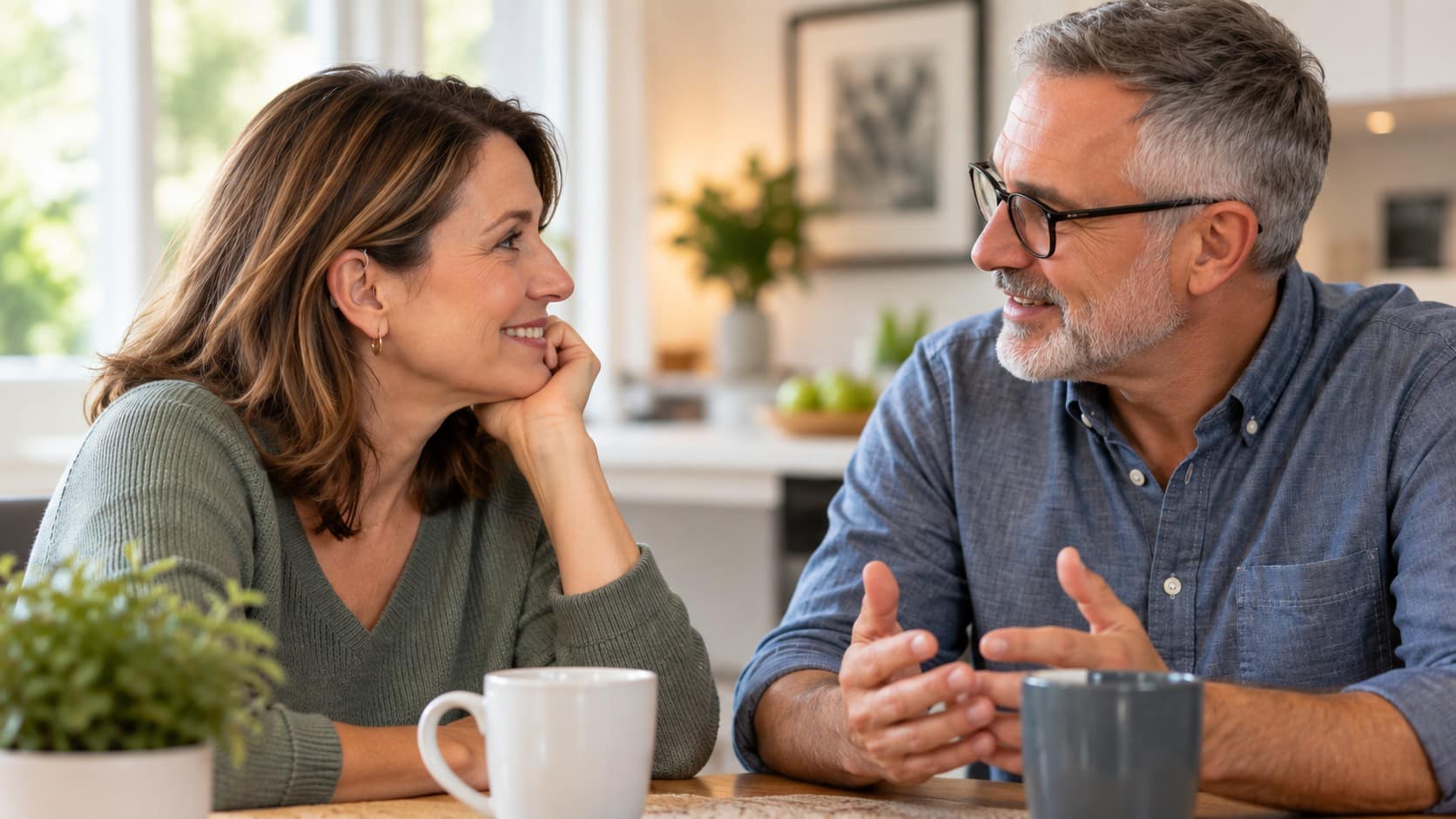
The cost of this oversight is substantial, often manifesting as frustration that leads to hearing aid abandonment. When a patient articulates, "I can hear you, but I can’t understand you," an uncoached partner might interpret this as inattention, stubbornness, or a lack of effort. This misinterpretation can escalate into interpersonal friction, transforming the communication partner from a potential source of support into an additional reason for the patient to disengage from their hearing aids. Conversely, a partner who comprehends the nuances of hearing loss – the difference between hearing and understanding, the impact of background noise – can offer patience, empathy, and practical assistance, significantly increasing the likelihood of successful hearing aid adoption and sustained use.
Evolution of Audiological Philosophy: Towards Family-Centered Care
The understanding of hearing loss has evolved significantly over the past decades. Historically, audiology, much like other medical fields, adopted a largely biomedical model, focusing primarily on the physiological impairment and its technological correction. The emphasis was on diagnosing the hearing loss, prescribing and fitting hearing aids, and conducting follow-up adjustments. This approach, while foundational, often overlooked the broader ecological context in which hearing loss is experienced.
The late 20th and early 21st centuries saw a gradual shift towards "patient-centered care," which recognized the importance of the individual’s perspective, preferences, and lifestyle in treatment planning. However, even this model, as highlighted, frequently stopped short of fully integrating the communication ecosystem surrounding the patient.
The emerging paradigm, gaining increasing traction in recent years, is "family-centered care" (FCC). FCC posits that communication partners are not mere spectators in the treatment process but active, essential participants. This philosophy recognizes that hearing loss is not a solo condition; it inherently reshapes interpersonal dynamics, communication patterns, and social engagements within a family unit. A treatment plan built solely around the patient addresses only half of the challenge. The goal of FCC is to empower both the individual with hearing loss and their communication partners with the knowledge, skills, and strategies needed to optimize communication and minimize the impact of hearing loss on their shared lives. This approach acknowledges that the success of audiological intervention often hinges on the collaborative efforts of all involved parties.
Quantifying the Impact: Data and Statistics
The rationale for integrating communication partners into audiological care is strongly supported by research:
- Prevalence of Hearing Loss: According to the World Health Organization (WHO), over 1.5 billion people globally experience some degree of hearing loss, and this number is projected to rise to over 2.5 billion by 2050. Approximately 430 million require rehabilitation services. In the United States, the National Institute on Deafness and Other Communication Disorders (NIDCD) reports that about 15% of American adults (37.5 million) aged 18 and over report some trouble hearing. These vast numbers underscore the widespread impact of the condition on individuals and their families.
- Hearing Aid Non-Adherence: A significant challenge in audiology is the rate of hearing aid abandonment or underuse. Estimates suggest that between 10% and 30% of individuals who purchase hearing aids do not use them consistently, often citing communication difficulties, discomfort, or perceived lack of benefit. Research indicates that effective communication partner involvement can significantly improve patient satisfaction and adherence to hearing aid use. When partners understand how to facilitate better listening environments and employ effective communication strategies, the perceived benefit of hearing aids increases, reducing the likelihood of them ending up in a drawer.
- Psychological and Relational Strain: Studies have shown that untreated hearing loss can lead to social isolation, depression, and anxiety in affected individuals. Crucially, communication partners also experience elevated levels of stress, frustration, and feelings of burden. A 2011 study published in the Journal of the American Academy of Audiology found that spouses of individuals with hearing loss reported higher levels of marital dissatisfaction and emotional distress compared to those without a partner experiencing hearing loss. The communication breakdowns often lead to arguments, misunderstandings, and a general decline in shared activities.
- Economic Burden: The economic cost of unaddressed hearing loss is substantial, encompassing lost productivity, increased healthcare costs (due to associated comorbidities like cognitive decline), and the societal burden of care. By improving communication and quality of life, family-centered approaches can indirectly mitigate some of these long-term economic impacts.
Practical Strategies for Partner Engagement

Integrating communication partners effectively into audiological care does not necessarily demand extended appointment times or extensive new paperwork. Instead, it requires a deliberate and intentional shift in approach, focusing on a few concrete actions that can yield significant benefits.
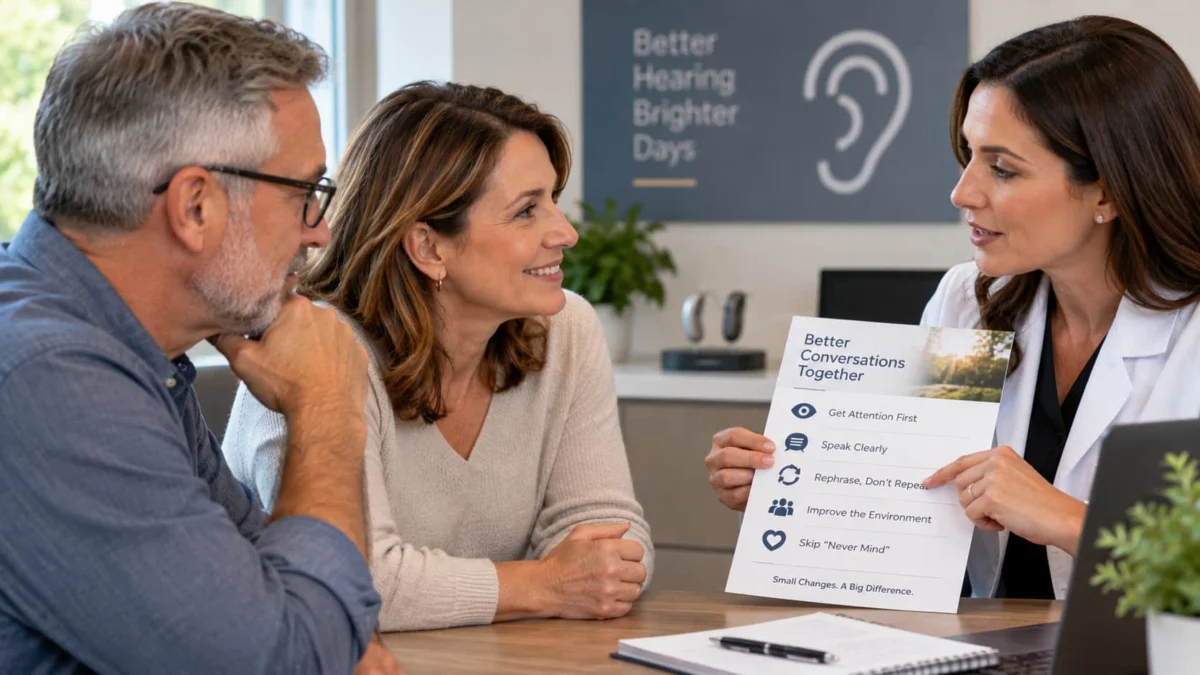
- Direct Communication: Audiologists should engage communication partners directly, addressing them as active participants rather than speaking solely through the patient. This validates their role and encourages their direct involvement.
- Education on Communication Best Practices: Provide partners with specific, actionable communication strategies they can implement immediately. These might include:
- Gaining Attention First: Emphasize the importance of ensuring the person with hearing loss is attentive before speaking. A light touch on the arm, calling their name, or waiting until eye contact is established can significantly improve comprehension.
- Face-to-Face Interaction: Explain the benefits of facing the individual directly, maintaining good lighting on the speaker’s face, and avoiding speaking from another room or with one’s back turned. This maximizes the use of visual cues, such as lip-reading and facial expressions.
- Clear and Moderate Speech: Advise against shouting, which can distort sounds, and encourage speaking at a clear, natural, and slightly slower pace. Enunciating words distinctly without exaggerating mouth movements is key.
- Rephrasing, Not Just Repeating: When a message is misunderstood, encourage partners to rephrase it using different words or simpler sentence structures rather than merely repeating the exact same words louder. This can clarify misinterpreted sounds.
- Minimizing Background Noise: Educate partners on the profound impact of background noise on individuals with hearing loss. Suggest simple environmental modifications, such as turning off the TV during conversations, choosing quieter restaurants, or sitting in less noisy areas.
- Patience and Empathy: Coach partners on the emotional toll of hearing loss and the effort involved in listening. Encourage patience, reassurance, and an empathetic understanding of the challenges faced.
- Role Definition: Explicitly name and validate the partner’s role, stating, "You are going to be an important part of how this works at home." This empowers them and clarifies their contribution to the success of the hearing intervention.
- Targeted Tips: Instead of overwhelming partners with a lengthy list, audiologists should select one or two key tips most relevant to the specific couple’s lifestyle and communication challenges. Making these tips concrete and actionable increases their likelihood of being adopted. For example, "When you want to talk, gently tap their arm and say their name, then wait until they look at you before starting."
- Information Persistence: Crucially, ensure that this vital information survives the drive home. This can be achieved by:
- After-Visit Summaries: Including a dedicated section in the patient’s after-visit summary for communication partners.
- Handouts: Providing concise, easy-to-read handouts summarizing key communication strategies.
- Digital Resources: Recommending short, informative videos or online resources that the couple can review together at their leisure.
- Encouraging Follow-Up: Emphasize that family-centered habits are built over time, not in a single appointment. Provide a compelling reason for the partner to return for future visits, reinforcing the idea that their ongoing involvement is crucial for long-term success.
Implementing Change: A Call to Action for Audiologists
While the ideal scenario involves the communication partner attending appointments, this is not always feasible. In such cases, the coaching should not be abandoned. Audiologists can proactively inquire about the patient’s communication partners and suggest bringing an important one to the next appointment. At a minimum, relevant materials should be sent home with the patient, explicitly for the communication partner to review independently. This demonstrates a commitment to holistic care even when direct engagement is limited.
The integration of family-centered care models requires systemic changes within audiology clinics. This includes:
- Training and Education: Audiologists and support staff need training in counseling techniques for couples and families, understanding communication dynamics, and effectively delivering psychoeducational content to non-patients.
- Standardized Protocols: Developing standardized protocols for partner involvement in various stages of audiological care, from initial consultation to follow-up adjustments.
- Resource Development: Creating accessible and user-friendly resources (handouts, videos, online modules) specifically designed for communication partners.
- Billing and Reimbursement Models: Advocating for billing and reimbursement models that recognize and compensate audiologists for the time spent on counseling communication partners, which is currently a significant barrier.
Broader Implications and Future Outlook
The shift towards genuinely family-centered audiological care holds profound implications for public health and individual well-being. By acknowledging and actively supporting the communication partners, the audiology profession can significantly enhance treatment outcomes, improve patient satisfaction, and foster healthier, more resilient relationships. This approach moves beyond merely treating an ear to nurturing the conversations that define human connection.
Ultimately, hearing loss is treated one ear at a time, but it is lived one conversation at a time. Until both individuals in that conversation – the person with hearing loss and their communication partner – receive adequate coaching and support, the intervention remains incomplete. Embracing a comprehensive, family-centered model is not just an ethical imperative; it is a strategic necessity for maximizing the benefits of audiological science and truly enriching the lives of those affected by hearing loss and their loved ones. This paradigm shift promises not only better hearing outcomes but also stronger relationships and a more inclusive society where communication thrives.