
The Evolution of Workplace Safety Standards
The history of ANSI/ISEA Z308.1 dates back several decades, serving as the industry benchmark for what constitutes a "well-stocked" first-aid kit. Historically, these standards focused on trauma-related injuries—lacerations, burns, and fractures common to manufacturing and construction sites. However, the nature of workplace hazards has evolved significantly in the 21st century.
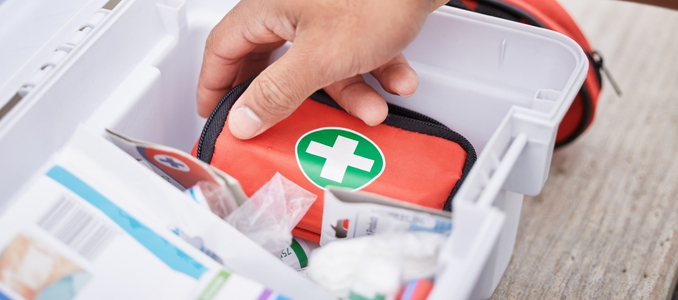
The 2026 revision is the culmination of several years of data collection and committee review, responding to a public health crisis that has increasingly bled into the professional sphere. By identifying naloxone—an opioid antagonist used to reverse the effects of an overdose—as a supplemental supply, the ANSI/ISEA committee has formally acknowledged that the modern workplace must be equipped to handle pharmacological emergencies as effectively as physical ones.
Contextualizing the Opioid Crisis in the Workplace
Data from the National Safety Council (NSC) paints a sobering picture of why this update was necessary. Currently, drug overdoses account for approximately 8% of all workplace fatalities in the United States. This statistic highlights a systemic vulnerability: many employers are operating under outdated safety paradigms that do not account for the prevalence of opioids in the broader community.
Despite the rising frequency of these incidents, adoption of overdose-reversal agents remains low. Recent NSC surveys indicate that only 28% of employers report having naloxone available at their worksites. This gap between the prevalence of risk and the availability of mitigation tools serves as the primary impetus for the 2026 standard. The inclusion of naloxone in the revised guidance is intended to encourage the remaining 72% of employers to conduct site-specific risk assessments to determine if they should incorporate these life-saving tools into their medical response programs.

Key Provisions of ANSI/ISEA Z308.1-2026
The 2026 standard does not mandate that every employer stock naloxone, maintaining its status as a voluntary consensus document. Instead, it provides a framework for decision-making. The standard advises that employers evaluate the following factors when deciding whether to add supplemental supplies:
- Geographic Proximity: The average response time of local emergency medical services (EMS). In remote or rural worksites, the standard emphasizes that internal preparedness is not just a benefit, but a necessity.
- Historical Incident Data: Reviewing past medical emergencies and near-misses on the property.
- Workforce Demographics and Nature of Work: Assessing whether the work environment involves high-stress factors or physical labor that may correlate with increased injury or substance use risks.
- Training Infrastructure: The availability of trained personnel capable of administering medical aid.
Beyond naloxone, the update places a heightened emphasis on training. The ANSI/ISEA committee explicitly states that the utility of any first-aid kit is strictly limited by the competency of the person using it. Therefore, the 2026 revision includes expanded guidance on how to organize and maintain training programs for CPR and AED deployment. This is particularly relevant for high-occupancy environments, such as warehouses, distribution centers, and large corporate campuses, where a cardiac event or overdose could occur in a crowded space.
The Role of OSHA and Voluntary Compliance
While compliance with ANSI/ISEA Z308.1-2026 is voluntary, it holds significant weight in the regulatory landscape. The Occupational Safety and Health Administration (OSHA) frequently references these consensus standards as the "gold standard" for compliance with its general duty clause. When OSHA inspectors evaluate an employer’s emergency preparedness plan, they look for evidence that the employer has taken proactive steps to mitigate recognized hazards.

By adopting the recommendations of the 2026 standard, employers create a robust defense for their safety programs. If an incident occurs, a company that has followed the ANSI/ISEA guidance can demonstrate that it has acted in accordance with industry best practices, thereby significantly reducing potential liability and demonstrating a commitment to employee welfare.
Analyzing the Impact on Corporate Emergency Response
The shift toward including naloxone and formal training in first-aid standards signals a broader cultural change in industrial safety. Historically, "first aid" was viewed through the lens of physical injury. The 2026 standard suggests that the definition of a "safe workplace" must now include a response to medical conditions that occur during, or are exacerbated by, the workplace environment.
Industry analysts observe that the integration of these supplies will likely require a change in company policy. For example, stocking naloxone requires not only the physical kit but also clear Standard Operating Procedures (SOPs). Employers must train designated responders, ensure that supplies are stored at appropriate temperatures, monitor expiration dates, and adhere to local "Good Samaritan" laws that protect those who administer aid in good faith.

The National Safety Council has been vocal in supporting this transition, providing resources like their "Respond Ready" workplace planning tool. These resources assist safety managers in navigating the complex legal and logistical hurdles of implementing an overdose-response strategy. By providing a structured approach, these tools help mitigate the hesitation many employers feel regarding the legal risks of keeping narcotics-reversal agents on-site.
Implementation and Next Steps for Safety Managers
For safety managers looking to align with the new standard, the transition process should follow a logical sequence. First, a thorough hazard assessment is required. This assessment should move beyond physical hazards and include a review of local community health data. If the local area has high rates of opioid-related emergency room visits, that data point should be weighted heavily in the risk assessment.
Second, the procurement of new supplies must be coupled with professional training. The 2026 standard emphasizes that naloxone is a "supplemental" item; it is meant to complement, not replace, a comprehensive first-aid and CPR program. Employers should prioritize scheduling certification classes for a percentage of their workforce that ensures coverage across all shifts.

Third, communication is essential. The stigma surrounding substance use often hinders the implementation of safety protocols. By framing the inclusion of naloxone as a standard medical safety measure—comparable to keeping an AED or a blood-clotting agent on hand—employers can normalize the presence of these supplies, ensuring that they are seen as essential tools for survival rather than as a statement on the workforce.
Broader Implications for Occupational Health
The release of ANSI/ISEA Z308.1-2026 reflects a maturation in occupational health philosophy. As the boundaries between public health and workplace safety continue to blur, the organizations responsible for setting standards must remain agile. The inclusion of overdose-reversal protocols is likely just the beginning. Future revisions of the standard may incorporate other aspects of wellness, such as mental health crisis intervention or broader pharmacological emergency responses.
Ultimately, the goal of the 2026 standard is to reduce the gap between the onset of an emergency and the arrival of professional help. In the critical minutes following an overdose or a cardiac arrest, the equipment available in the breakroom or the warehouse floor is often the only factor separating a survival story from a fatality. By providing a clear, evidence-based framework, the ANSI/ISEA Z308.1-2026 standard empowers employers to take control of their emergency response capabilities, fostering a culture of safety that addresses the realities of the modern workforce.

As more organizations adopt these guidelines, the cumulative effect will likely be a reduction in workplace deaths and a heightened state of readiness across the American industrial sector. Employers are encouraged to review the full text of the standard and utilize the resources provided by the ISEA and the NSC to begin the necessary updates to their workplace safety protocols before the end of the year. Through this collaborative effort between industry experts and safety professionals, the workplace of the future is being built on a foundation of preparedness and compassion.