The Evolution of Core Vocabulary Instruction
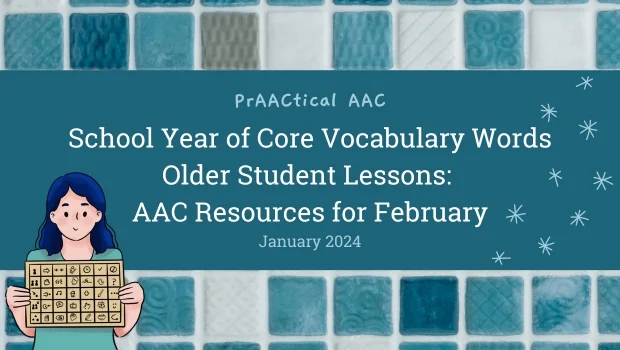
The origin of the "Year of Core Vocabulary" project dates back over a decade, rooted in the recognition that AAC users often face significant barriers in language acquisition due to a lack of modeled input. To address this, the initiative was developed to provide a systematic, month-by-month curriculum. The initial series focused on establishing a baseline of core words, providing educators with the linguistic foundation required to foster communicative competence. As the program gained traction, it expanded into the "School Year of Core Vocabulary Words," which introduced specialized sets for different developmental levels, ensuring that the content remained relevant from early intervention through high school graduation.
A Chronology of Collaborative Development
The project has been characterized by iterative growth and collaborative contributions from experts in the field. The timeline of this initiative demonstrates a clear progression toward inclusivity and specialized instructional design:
- Foundational Years (Early 2010s): The inaugural "Year of Core Vocabulary" series launched, establishing the core word list and basic instructional strategies for practitioners.
- Expansion (2015–2019): Following the success of the first set, a second series was introduced, providing new word lists to prevent stagnation and ensure that learners were continuously challenged. During this period, AAC specialist Rachael Langley contributed vital activity calendars, which transformed abstract vocabulary lists into tangible, daily communication goals.
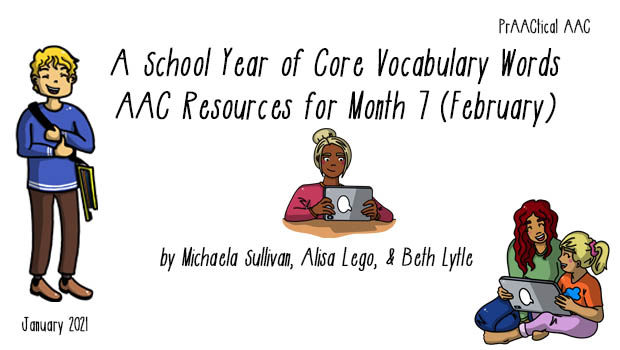
- The School-Aged Initiative (2020): Recognizing the unique needs of school-based settings, guest contributors Michaela Sullivan, Alisa Lego, and Beth Lytle authored "The School Year of Core Vocabulary Words." This marked a shift toward integrating AAC instruction directly into the K-12 academic curriculum.
- Adolescent-Centered Resources (2023–2024): Addressing the specific social and academic requirements of older students, Michaela Sullivan and Lindsay Dougherty developed a series tailored to high schoolers, emphasizing peer interaction and higher-level communication demands.
- Current State (2026): The initiative now serves as a perennial resource, with archives being updated and repurposed annually to support new cohorts of educators and families entering the AAC community.
Supporting Data and Pedagogical Rationale
The efficacy of core vocabulary instruction is supported by extensive linguistic research. Studies indicate that for children with complex communication needs, reliance on fringe vocabulary limits the range of communicative functions—such as requesting, protesting, commenting, and questioning—that a user can perform. By prioritizing core words, practitioners can facilitate a more robust development of expressive language.
Data from the AAC community suggests that consistent modeling, or "aided language stimulation," is the most significant predictor of success for AAC users. The resources provided in the February curriculum specifically address this by offering:
- Instructional Calendars: Daily prompts that ensure consistent exposure to targeted vocabulary.
- Visual Supports: Graphic organizers and communication boards that reduce the cognitive load for students.
- Differentiated Instruction: Modifications for varied motor and cognitive profiles, ranging from preschool sensory-based learning to high school discourse-based learning.
Official Perspectives and Expert Consensus
The consensus among speech-language pathologists (SLPs) involved in this project is that instruction must be systemic rather than incidental. Dr. Zangari and her team have consistently argued that for communication devices to be effective, they must be viewed as language-learning systems rather than simple tools for requests.
"The shift toward a year-long, scaffolded approach is essential for long-term progress," noted one professional closely associated with the initiative’s development. "By providing these resources, we are removing the ‘planning fatigue’ that often prevents teachers from implementing consistent AAC usage in the classroom. When the roadmap is already provided, the educator’s energy can be redirected toward the actual act of facilitating communication."
Implications for Modern Education
The implications of this ongoing project are far-reaching, particularly in the context of the Individuals with Disabilities Education Act (IDEA), which mandates that students receive a Free Appropriate Public Education (FAPE) in the least restrictive environment. By providing standardized, research-backed AAC resources, the "Year of Core Vocabulary" initiative helps schools meet these legal and ethical obligations.
Furthermore, the integration of these materials into mainstream classrooms has broader societal implications. As more students with complex communication needs are included in general education, their peers—both neurotypical and neurodivergent—are exposed to diverse modes of communication. This normalization of AAC devices is a critical step toward creating more inclusive social environments.
Analysis of Instructional Impact
The impact of the February resources, specifically, is measured by the increased engagement levels of students during school activities. February serves as a midpoint in the academic calendar, a time when instructional routines are firmly established and the focus shifts toward deepening communicative complexity. The materials for this month are uniquely designed to bridge the gap between simple request-based communication and more sophisticated social interaction.
For the preschool level, the activities emphasize sensory experiences, pairing core words with play-based, hands-on tasks. For middle and high schoolers, the emphasis shifts toward "social pragmatics"—how to use core words to negotiate with peers, express preferences in group settings, and navigate the complex social hierarchy of the secondary school environment.
Future Directions for AAC Resources
As technology continues to integrate with education, the future of these resources may involve more dynamic, digital-first implementations. The current transition toward digital archives allows for a greater degree of accessibility for international users, who can now adapt these resources for different languages and cultural contexts.
The success of the "Year of Core Vocabulary" project serves as a model for how professional communities can self-organize to fill gaps in educational support. By crowdsourcing expertise from SLPs, educators, and researchers, the initiative ensures that the content remains dynamic and responsive to the evolving needs of the students it serves.
The initiative remains a vital component of the broader movement to ensure that every student has a voice. Through the structured, persistent application of core vocabulary, the barriers to academic and social participation continue to diminish, creating a more equitable landscape for individuals with complex communication needs. Those interested in accessing the materials for February and beyond are encouraged to utilize the digital archives hosted by the community, which remain open-access to ensure that financial or institutional limitations do not impede student progress. As the school year progresses, these resources will continue to act as a lifeline for educators committed to the principles of inclusive and effective communication.