The Significance of the 2026 NAD Conference
The NAD biennial conference is the organization’s flagship event, functioning as both a legislative assembly and a community summit. Historically, these conferences provide a platform for delegates to vote on the association’s priorities for the coming two years, ranging from federal legislative advocacy to educational standards. By choosing San Francisco, a city with a robust history of disability rights activism, the NAD aims to leverage local infrastructure and community engagement to address contemporary challenges facing the Deaf and hard of hearing population.
Under the guidance of Conference Chair Milmaglyn Morales and the NAD Board, the planning process has shifted toward an intensive operational phase. The recent site visit included meetings with local stakeholders, city officials from the Office of Disability and Access, and representatives from regional agencies such as NorCal Services for Deaf & Hard of Hearing, the Greater Los Angeles Agency on Deafness (GLAD), and DCARA. These partnerships are intended to ensure that the conference meets the highest standards of accessibility, including the provision of high-quality interpreting services, captioning, and physical accommodations that exceed standard ADA requirements.
Operational Leadership and Collaborative Governance
Logistical oversight for the 2026 event has been assigned to Interim CEO Bobbie Beth Scoggins. Her role is central to managing the complex interplay between the national organization and its diverse coalition of partners. This collaborative model is a deliberate strategy to integrate various segments of the Deaf ecosystem, including the National Deaf Education Committee (NDEC), the Education Section of the NAD, and the Registry of Interpreters for the Deaf (RID) Region V.
The inclusion of these entities is designed to bridge the gap between policy formulation and grassroots implementation. By incorporating regional chapters and specialized committees, the NAD seeks to ensure that the conference agenda reflects the diverse needs of the community, from early childhood education advocacy to professional standards for ASL interpreters.
Digital Transformation: The New NAD Web Presence
In tandem with event planning, the NAD is nearing the launch of a redesigned digital platform. The current iteration of the NAD website has served as a primary repository for information for years; however, the forthcoming update is intended to address modern accessibility standards and user experience requirements.
Digital equity is a pillar of the organization’s mission. For many in the Deaf community, the NAD website is the primary source for urgent information regarding policy shifts, emergency preparedness, and legal rights. The updated site aims to provide a more intuitive interface for accessing advocacy resources, thereby increasing the efficiency of the organization’s outreach efforts. This transition reflects a broader trend among major advocacy groups to prioritize digital infrastructure as a means of maintaining continuity during periods of social or economic volatility.
Addressing Structural Challenges in the Deaf Community
While the organization prepares for the 2026 gathering, leadership remains focused on systemic inequities that continue to impact the community. The NAD Board is currently monitoring several high-priority issues:
- Interpreter Shortages: The national deficit of qualified, certified ASL interpreters continues to impede access to medical, legal, and educational services. The NAD is working with RID to identify pathways for certification and professional development that can mitigate this shortage.
- Educational Inequities: Language deprivation remains a significant concern for Deaf children in the K-12 system. The NAD continues to advocate for the implementation of the Language Equality and Acquisition for Deaf Kids (LEAD-K) initiatives across multiple states to ensure that children reach age-appropriate linguistic milestones.
- Policy and Disability Rights: The shifting landscape of federal disability policy necessitates constant vigilance. The NAD is engaged in ongoing dialogues with lawmakers to ensure that any changes to the Americans with Disabilities Act (ADA) or the Individuals with Disabilities Education Act (IDEA) do not weaken the protections currently afforded to the community.
Contextualizing the Current Landscape
The urgency of these issues is supported by data regarding the socioeconomic status of Deaf and hard of hearing individuals. Statistics from the U.S. Census Bureau and independent research organizations indicate that the Deaf community experiences higher rates of unemployment and underemployment compared to the general population. Access to high-quality education and effective communication in the workplace remain the primary drivers of these disparities.
The NAD conference serves as a focal point for data-driven advocacy. By bringing together experts, educators, and community members, the organization facilitates a cross-pollination of ideas that often results in new legislative proposals and grassroots strategies. Historically, resolutions passed at NAD conferences have influenced state-level legislation and spurred the development of specialized services for Deaf citizens.
Official Statements and Organizational Direction
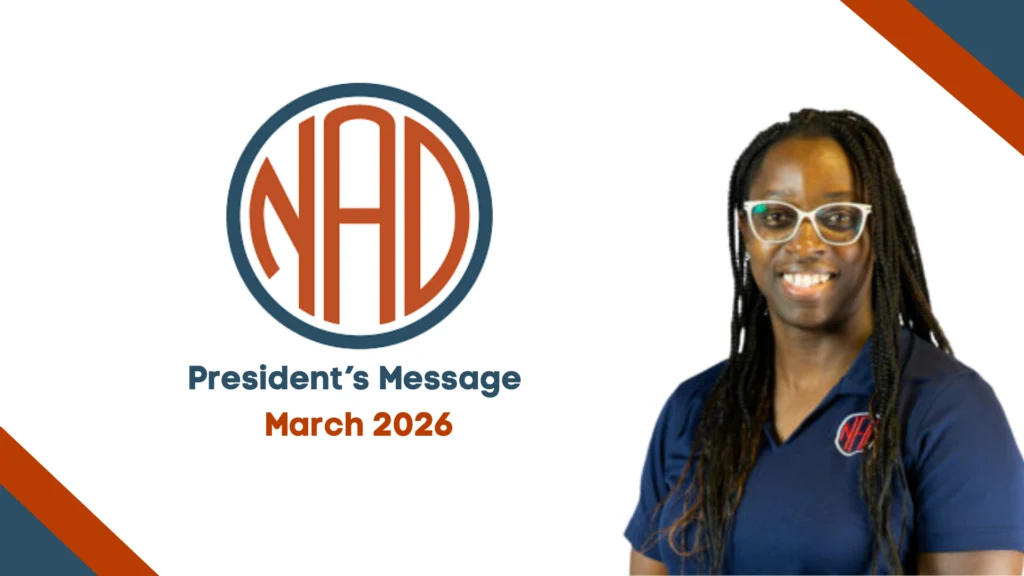
In her recent address, President Stephanie emphasized the importance of individual engagement, stating that the collective strength of the movement is derived from the experiences of its members. "You matter. Your experiences shape our work. And your engagement strengthens our movement," she noted. This sentiment underscores the NAD’s commitment to a bottom-up approach to advocacy, where the lived experiences of the community inform the top-level decisions made by the Board.
Interim CEO Bobbie Beth Scoggins’ oversight of the conference logistics suggests a focus on operational stability. By streamlining the planning process and emphasizing collaboration, the NAD aims to avoid the common pitfalls associated with large-scale event management, such as communication gaps or accessibility oversights.
Broader Implications and Future Outlook
The 2026 conference is positioned to be a watershed moment for the organization. As the Deaf community navigates the complexities of the digital age and the post-pandemic recovery, the need for a unified national strategy is more pronounced than ever. The integration of technology, the strengthening of regional partnerships, and the focus on legislative advocacy suggest that the NAD is moving toward a more agile and responsive organizational structure.
The implications of these efforts extend beyond the San Francisco event. Successful collaboration with entities like the Office of Deaf Access and the various state associations sets a precedent for how the NAD can function as a centralized authority that empowers local initiatives. As the association moves closer to the 2026 date, its ability to manage these concurrent priorities—the digital launch and the biennial conference—will serve as a testament to its capacity to evolve alongside the community it represents.
Stakeholders, members, and interested parties are encouraged to monitor the official NAD website at www.nad.org/sf26 for ongoing updates, registration details, and deadlines. The commitment to transparency and communication remains a cornerstone of the organization’s strategy, ensuring that the community remains informed and prepared for the upcoming legislative and social developments. As the NAD continues to "learn, lead, and move forward," the emphasis on unity remains the core driver of its mission to ensure equality for all Deaf and hard of hearing individuals across the United States.