The Scope of the Crisis: A Statistical Overview
The necessity for this intervention is underscored by sobering health data. Medical research consistently highlights that exposure to high-decibel sound is one of the leading preventable causes of permanent hearing damage. Currently, approximately one in seven adults in the United Kingdom lives with tinnitus—a condition characterized by a persistent ringing or buzzing in the ears that often has no known cure. Within the professional music industry, the prevalence is even more alarming; studies suggest that one in three musicians experiences some form of noise-induced hearing impairment.
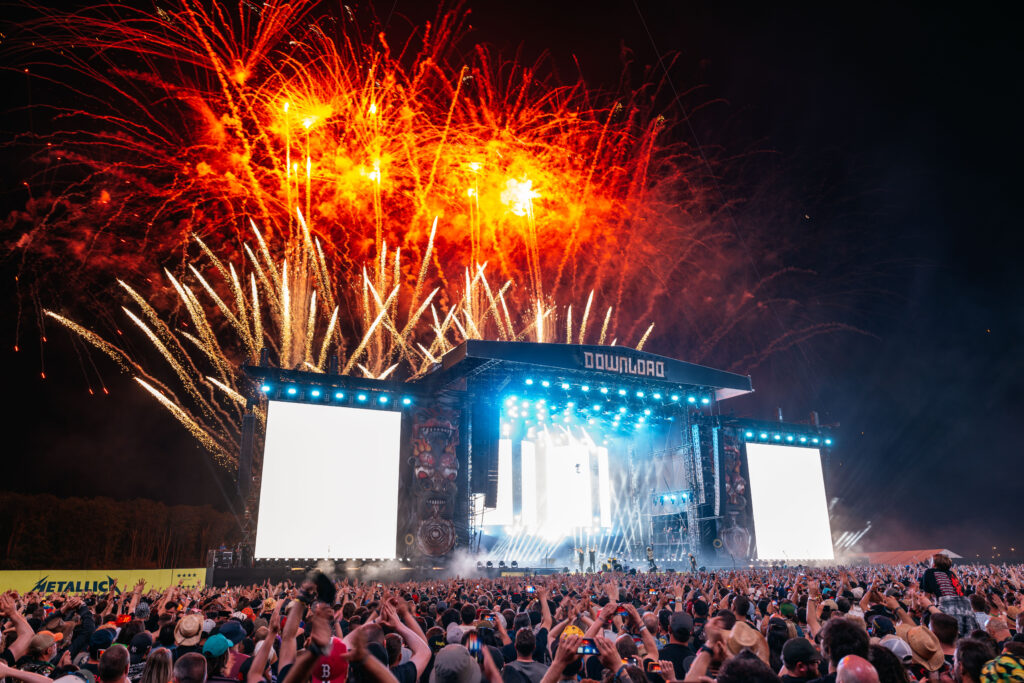
When a person is exposed to sound levels exceeding 85 decibels for extended periods, the delicate hair cells in the cochlea can be permanently damaged. At large-scale rock and metal festivals like Download, sound pressure levels at the front of the stage frequently surpass 100 decibels. Without intervention, these levels can cause threshold shifts in hearing within minutes. The collaboration between Tinnitus UK and Live Nation was designed to address this gap, transforming the festival from a high-risk environment into a model for preventative health education.
A Chronology of Collaboration
The roadmap for this partnership began in the early months of 2026, coinciding with the planning phases for Tinnitus Week. Recognizing that digital awareness campaigns reach a broad audience but often lack the immediacy of real-world application, Tinnitus UK identified Download as the optimal venue to reach the "frontline" of music consumption.
The timeline of the initiative was structured as follows:
- February 2026: Tinnitus Week 2026 launches, establishing a nationwide dialogue regarding the necessity of long-term hearing maintenance.
- April 2026: Formal discussions between Tinnitus UK and Live Nation finalize plans for on-site presence, including the distribution of high-fidelity earplugs and the implementation of educational outreach.
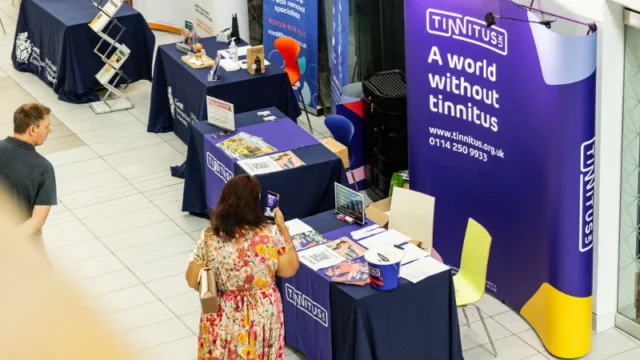
- June 2026 (Festival Weekend): The activation goes live. The initiative is bolstered by the presence of BSL interpreters and dedicated hearing loops, alongside a distribution network that provided thousands of free earplugs to attendees.
- Post-Festival (Late June 2026): Data collection and qualitative feedback from artists and fans are consolidated to form a blueprint for future festival health standards.
Integrating Hearing Health into Festival Architecture
The success of the Download partnership rested on its accessibility. Rather than merely handing out literature, the festival prioritized practical, "in-the-moment" solutions. By making free earplugs readily available at major stages and access points, organizers effectively removed the barrier to entry for hearing protection.
This is part of a broader trend in the live events sector. For years, festivals have focused on accessibility for physical mobility, but the "invisible" nature of hearing loss has historically seen less investment. By pairing physical protection with auditory accessibility tools—such as hearing loops for those with existing impairments—Download has moved to align itself with the highest standards of audience wellbeing. This transition acknowledges that a sustainable music culture must include the ability of the audience to enjoy sound for decades to come, rather than burning out their auditory nerves in a single weekend.
Perspectives from the Stage: The Artist Experience
The shift in attitude is perhaps most evident among the performers themselves. The industry is moving away from the "tough it out" culture of the past toward a model of longevity and self-care. Interviews conducted during the festival reveal a consensus: the most successful artists are those who view hearing protection as a professional tool, no different from an instrument or a microphone.
Alice of Lake Malice, who relies on moulded in-ear monitors for her performances, emphasized that maintaining auditory health is a multi-faceted practice. "I listen to ASMR and quiet time helps me so much," she noted, highlighting the need for auditory recovery periods after high-decibel exposure.
This sentiment is shared by veterans of the touring circuit. Becca of Marmozets described how her relationship with hearing health has evolved over the course of her career. "We’ve been doing this a while and now we really understand the importance of hearing protection," she said. Her habit of keeping earplugs on her keychain serves as a blueprint for fans who often view protection as an inconvenience.
The personal stakes were further clarified by members of As It Is. Drummer Foley, who sustained significant damage to his eardrums early in his career, offered a cautionary tale. "I have two perforated eardrums which is solely down to harsh exposure with no protection from an early age," he stated. His reflection—that the damage, once done, is irreversible—serves as the primary driver for Tinnitus UK’s mission. It is a message that is increasingly resonating with a younger generation of musicians, who are now prioritizing ear health from their very first rehearsal.
The Sociological Shift: Fashion and Function
One of the most encouraging observations from the 2026 initiative was the normalization of hearing protection among the festival-going demographic. Influencers and attendees alike are beginning to view earplugs as a stylistic accessory rather than a clinical necessity. Stephanie, a festival-goer interviewed on-site, noted that modern earplugs are discreet enough that they have become a staple of her festival attire, comparing them to jewelry. This aesthetic integration is vital; as long as hearing protection is viewed as "un-cool" or "medical," adoption rates will remain low. By normalizing the use of earplugs, the music community is effectively removing the stigma associated with protecting one’s health in social environments.
Implications for the Live Music Industry
The implications of this partnership extend far beyond a single weekend at Donington Park. The model established by Tinnitus UK and Live Nation demonstrates that safety and enjoyment are not mutually exclusive. As insurance premiums for festivals rise and the legal responsibility for noise-induced hearing loss becomes more defined, promoters have a vested interest in promoting preventative care.
Furthermore, the integration of hearing health into the "festival experience" creates a new standard of care. If one of the world’s largest rock festivals can effectively implement free, accessible protection, it raises the question of why smaller events have not yet followed suit. The data collected from this project will likely serve as a benchmark for future licensing agreements and health and safety compliance for large-scale outdoor events.
Conclusion: A Sustainable Future for Sound
The collaboration between Tinnitus UK and Download Festival marks a turning point in the relationship between live music and public health. By combining educational outreach with practical, on-site measures, the partnership has proven that the audience is not only receptive to, but actively seeking, information on how to protect their hearing.
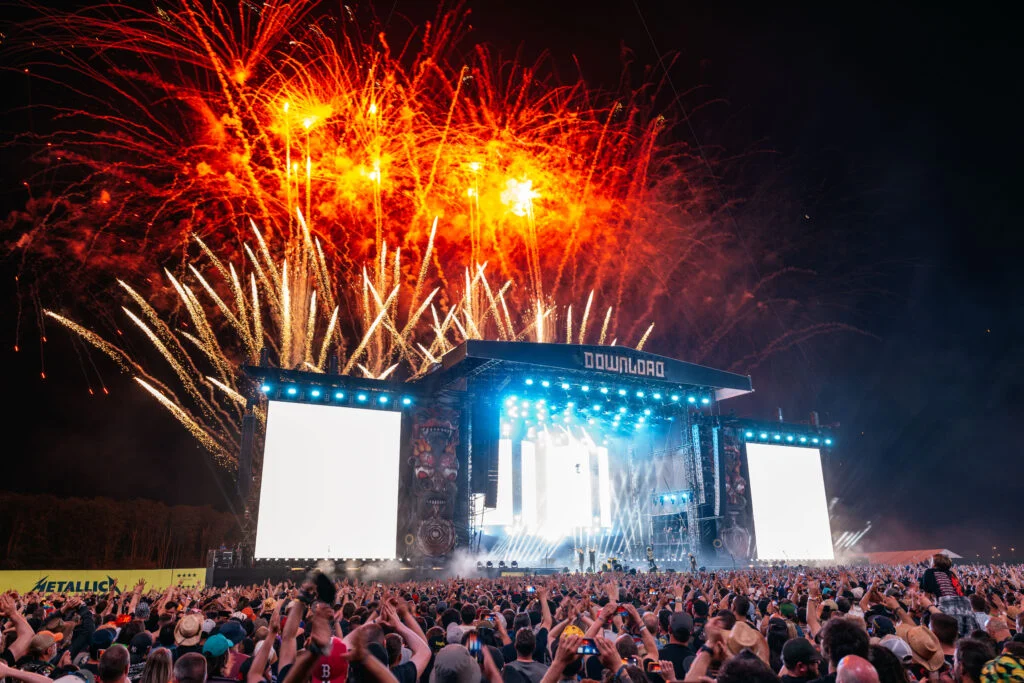
As the industry moves forward, the goal remains clear: to ensure that the communal, life-affirming power of live music does not come at the cost of the listener’s future. The success of the 2026 initiative suggests that with the right advocacy and the cooperation of major promoters, hearing protection can indeed become as synonymous with the festival experience as the music itself. For the 100,000 fans who descended upon Donington Park, the most important takeaway was not just the headlining acts, but the realization that the best way to hear the music tomorrow is to protect your ears today. As the industry continues to evolve, the efforts of Tinnitus UK and their partners at Download will be remembered as the moment the conversation shifted from silence to action.