Early Intervention and the Critical Period of Development
The timing of this procedure was paramount. According to the Joint Committee on Infant Hearing (JCIH), the "1-3-6" rule remains the gold standard for pediatric audiology: hearing screening by one month, diagnosis of hearing loss by three months, and enrollment in early intervention services by six months. By securing intervention well within this critical developmental window, Amalia’s family ensured she could capitalize on the brain’s neuroplasticity, which is most heightened during the first three years of life.
The Role of Listen and Talk in Language Acquisition
Upon receiving her cochlear implants, Amalia’s family transitioned to Listen and Talk, a specialized program focused on a listening and spoken language (LSL) approach. Unlike models that rely primarily on visual communication, the LSL approach centers on training children to maximize the use of residual hearing or hearing provided through cochlear implants or hearing aids to develop spoken language.
The methodology employed at Listen and Talk involves a combination of parent coaching, audiological support, and specialized classroom environments. During her time in the "Birth to Three" program and the subsequent "Blended Classroom," Amalia was immersed in an environment that bridged the gap between clinical support and social integration. The curriculum is designed to teach not only the child but also the caregivers, ensuring that language-rich interactions occur consistently throughout the child’s day, rather than solely during therapy sessions. This holistic approach provided Amalia with the necessary phonological and linguistic foundation to succeed in mainstream educational settings.
Chronology of Progress: From Early Childhood to Athletics
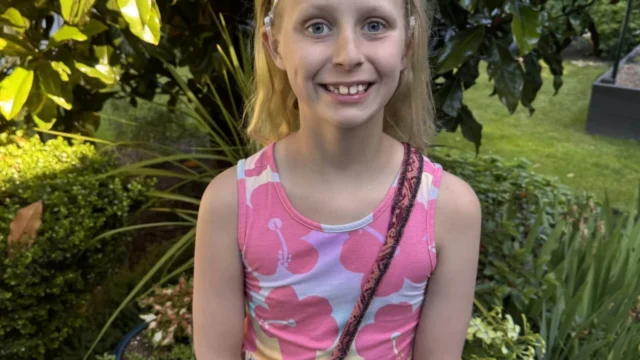
Amalia’s developmental timeline reflects a steady progression toward independence. Following her cochlear implantation at 10 months, her formative years were spent in intensive therapy sessions aimed at mapping her devices and refining her auditory discrimination. By her preschool years, she was integrated into the Blended Classroom at Listen and Talk, which allowed her to interact with both hearing peers and children with similar hearing profiles.

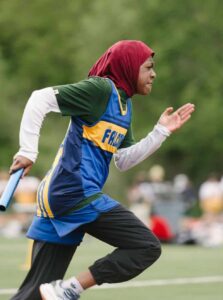
This peer interaction was crucial. Research in pediatric audiology consistently demonstrates that early integration into diverse classrooms promotes better social-emotional development. As Amalia transitioned into general education, the confidence gained from her foundational years allowed her to pursue extracurricular interests with the same vigor as her hearing peers. Today, her participation in track and field, swimming, and basketball highlights her physical integration and confidence, demonstrating that her hearing loss does not define the limits of her extracurricular potential.
Supporting Data on Cochlear Implantation and Outcomes
The success seen in Amalia’s academic and social life aligns with broader industry data regarding pediatric cochlear implants. According to the National Institute on Deafness and Other Communication Disorders (NIDCD), children who receive cochlear implants before the age of 18 months typically develop language skills at a rate comparable to their hearing peers.
Furthermore, studies published in the Journal of Speech, Language, and Hearing Research indicate that long-term outcomes for children with early intervention include higher rates of high school graduation, post-secondary education enrollment, and full-time employment. For students like Amalia, the transition from specialized services to general education classrooms is a significant milestone that validates the efficacy of early-intervention programs. These programs effectively "level the playing field," providing the technical and therapeutic scaffolding required for students to process complex auditory information in high-stimulus environments.
The Broader Impact: Beyond the Individual Case
The broader implications of success stories like Amalia’s extend to the advocacy for universal newborn hearing screenings and state-funded early intervention programs. While medical technology has advanced significantly, the human element—the support system provided by institutions like Listen and Talk—remains the primary driver of success.
By fostering an environment where hearing loss is addressed proactively, institutions like Listen and Talk contribute to a wider societal shift: the normalization of inclusive education. When students like Amalia thrive in mainstream classrooms, they challenge outdated perceptions of disability and demonstrate the capacity for children with hearing loss to excel in all areas of human endeavor.
However, the sustainability of these outcomes relies heavily on the continuation of funding for such programs. The Alumni Family Giving Campaign, currently being promoted by Listen and Talk, serves as a mechanism to ensure that the same level of expertise and support is available to the next generation of families navigating a diagnosis of hearing loss. These campaigns are vital, as they supplement public funding and allow for the maintenance of high-quality, specialized staff and state-of-the-art audiological equipment.
Official Perspectives and Future Implications
While the organization emphasizes that every child’s journey is unique, the overarching vision—that "no child is limited by hearing loss"—remains the driving force behind their operations. The staff at such institutions often note that the success of a student is a collaborative effort between the clinical team, the educators, and the family unit.
From an educational policy standpoint, Amalia’s experience serves as a strong argument for the "Least Restrictive Environment" (LRE) mandate under the Individuals with Disabilities Education Act (IDEA). By providing children with the tools they need to communicate effectively in a spoken-language environment, programs like Listen and Talk facilitate the LRE mandate, allowing children to learn alongside their peers, which is proven to yield the best social and academic outcomes.
Conclusion
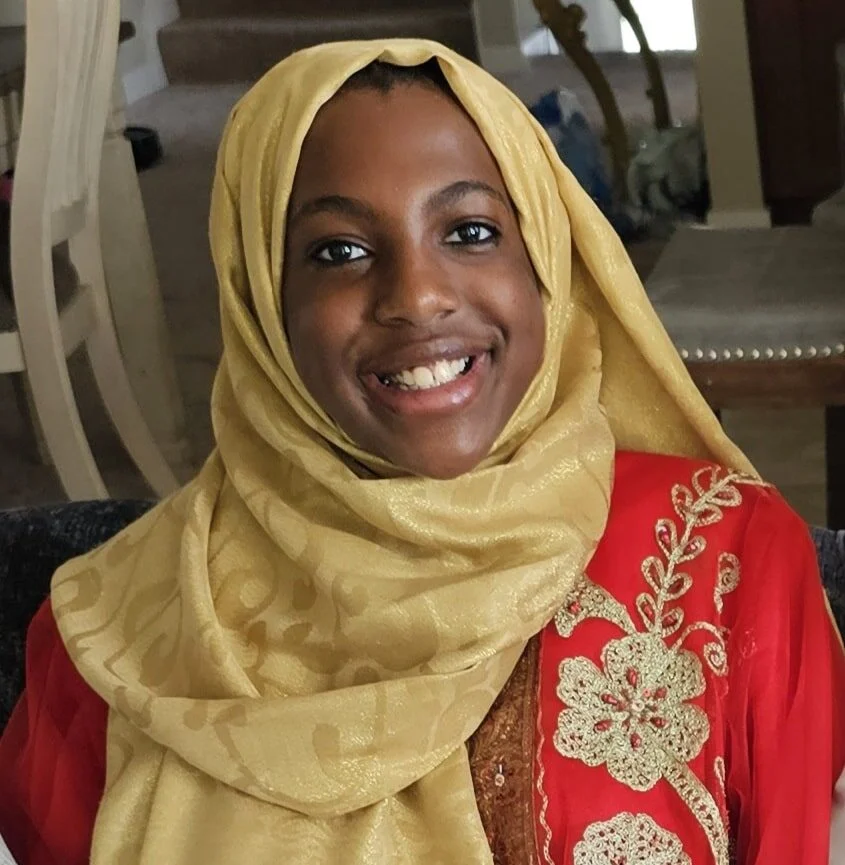
Amalia Faraji’s story is a profound illustration of how the intersection of early medical intervention, consistent therapeutic support, and a nurturing home environment can mitigate the functional impact of hearing loss. As she continues her journey, she represents a growing cohort of young adults who are redefining the boundaries of what is possible for the deaf and hard-of-hearing community.
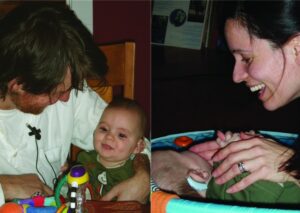
The ongoing success of programs like Listen and Talk hinges on the continued support of the community, as seen in their current alumni-focused fundraising efforts. By investing in the early years of a child’s life, society secures a future where hearing loss is a challenge to be managed rather than a barrier to be feared. Amalia’s academic achievements, her athletic participation, and her overall social integration are not just personal milestones; they are indicators of the success of a system that prioritizes human potential over the constraints of a disability. As the field of pediatric audiology continues to evolve, the lessons learned from students like Amalia will undoubtedly inform the next generation of clinical practice and educational support, ensuring that the promise of a bright future remains accessible to all.