

The Scope of the Challenge
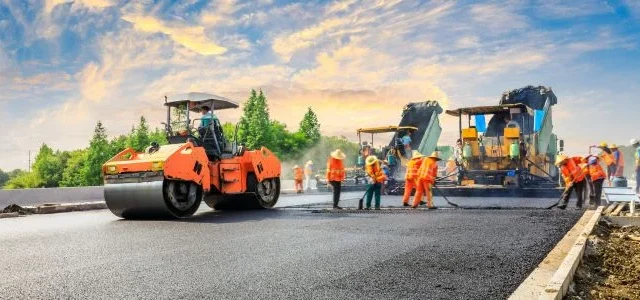
Data from the Centers for Disease Control and Prevention (CDC) has consistently highlighted that the construction and extraction industries report some of the highest rates of suicide among all occupational groups in the United States. While the physical dangers of construction—such as falls, heavy machinery accidents, and chemical exposure—are well-documented and strictly regulated by organizations like OSHA, the psychological health of the workforce remains a complex, often overlooked variable.
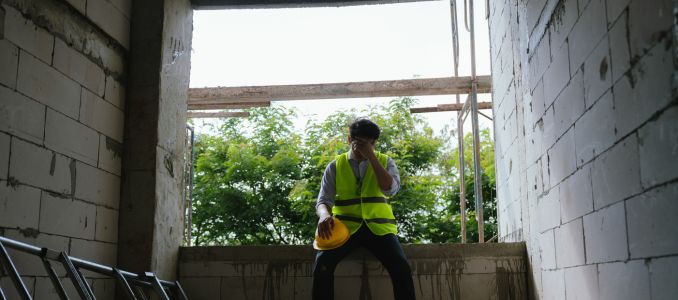
Industry analysts suggest that several factors converge to create this risk profile. The transient nature of project-based work, the high-pressure environment of strict deadlines, and a "tough-it-out" culture that discourages vulnerability all contribute to an environment where mental health struggles can remain hidden. Alcohol, often used as a coping mechanism for physical pain or emotional distress, frequently serves as the primary outlet for these workers, leading to a dangerous cycle of misuse that exacerbates existing mental health conditions.

Webinar Objectives and Educational Framework
"Rethink the Drink" is designed to move beyond general awareness, providing actionable strategies for both employers and employees. Emily Groves, the outreach engagement coordinator for the non-profit organization Lines for Life, will serve as the keynote speaker. Her presentation is structured to address three primary pillars:
- The Biological and Psychological Impact: An analysis of how alcohol misuse alters brain chemistry, negatively impacting mood regulation and exacerbating underlying mental health conditions.
- The Suicide Connection: A detailed examination of the correlation between heavy alcohol consumption and the increased risk of suicidal ideation and attempts, particularly within the context of high-stress labor environments.
- Cultural Transformation: Evidence-based approaches to dismantling the stigma associated with seeking help, transforming the workplace into an environment where psychological safety is treated with the same priority as physical safety.
The webinar will also feature contributions from the Construction Suicide Prevention Partnership, an organization dedicated to providing mental health resources tailored specifically to the realities of the trades. This segment will provide interactive tools that participants can take back to their job sites, ensuring that the information shared is not merely theoretical but applicable to daily operations.
Historical Context and National Recovery Month
The scheduling of this event during September, which is recognized nationally as Recovery Month, is intentional. National Recovery Month is a observance held every September to promote and support new evidence-based treatment and recovery practices, the emergence of a strong and proud recovery community, and the dedication of service providers and community members across the nation.
By aligning the webinar with this national movement, the VPPPA aims to integrate substance misuse awareness into the broader corporate social responsibility strategies of construction firms. Historically, the construction industry has lagged behind sectors like finance or technology in implementing robust mental health wellness programs. However, as labor shortages persist and the demand for skilled workers increases, firms are beginning to recognize that supporting the mental health of their workforce is a vital component of employee retention and operational safety.

Industry Implications and Workplace Safety
The implications of this initiative extend far beyond individual health. In the construction industry, where a momentary lapse in focus can lead to catastrophic injury or death, the impact of alcohol misuse is a workplace safety issue of the highest order. Substance-impaired workers pose a risk not only to themselves but to their entire crew.
Industry experts argue that the traditional method of addressing substance use—predominantly through punitive drug testing and termination policies—has failed to address the root causes of the crisis. While zero-tolerance policies remain necessary for safety, they are increasingly being supplemented by "soft" interventions. These include Employee Assistance Programs (EAPs), mental health first aid training for foremen, and the implementation of peer-support networks where workers can speak to one another about their struggles without fear of professional retaliation.

Analyzing the "Tough Culture" Barrier
A significant portion of the upcoming discussion will focus on the barriers to entry for mental health services. In many construction cultures, asking for help is still perceived as a sign of weakness. This "machismo" culture is a significant hurdle that organizers of the webinar hope to address.
"The goal is to reframe the conversation," says one industry consultant familiar with the VPPPA initiative. "We need to move away from the idea that mental toughness means suffering in silence. True strength, in a modern, high-hazard work environment, means recognizing when you are struggling and utilizing the resources available to get back on track. It is a safety issue, a performance issue, and a human rights issue."

Supporting Data: A Call to Action
The urgency of this webinar is underscored by recent academic studies. According to the National Institute for Occupational Safety and Health (NIOSH), construction workers are more likely than those in many other professions to experience chronic pain, which is often treated with substances that can lead to dependency. Furthermore, the industry’s gender demographic—being predominantly male—presents a specific challenge, as men are statistically less likely to seek professional counseling for depression or anxiety than their female counterparts.
The Construction Suicide Prevention Partnership has noted that on-site discussions are the most effective way to reach this demographic. By providing foremen and site managers with the vocabulary to address these issues, the industry can create a "top-down" culture shift that empowers workers to look out for their peers.

Looking Ahead: The Future of Mental Health in Trades
The VPPPA’s commitment to this topic signals a broader trend in occupational health. As the industry looks toward 2026 and beyond, the definition of "safety" is expanding. It is no longer limited to hard hats, high-visibility vests, and fall protection; it now includes the psychological stability of the person behind the tools.
Registration for the September 22 webinar is currently open through the VPPPA’s official portal. The event is open to contractors, safety officers, HR professionals, and anyone invested in the well-being of the construction workforce. As the industry continues to navigate a changing labor market, initiatives like "Rethink the Drink" serve as a reminder that the most valuable asset on any construction site is the human life behind the work.

The success of such programs will ultimately be measured by the industry’s ability to lower the rates of substance-related incidents and, more importantly, to save lives by fostering a culture of compassion and support. For those in the field, this webinar provides the first step in that direction: moving from a culture of silence to one of active, informed, and life-saving intervention.