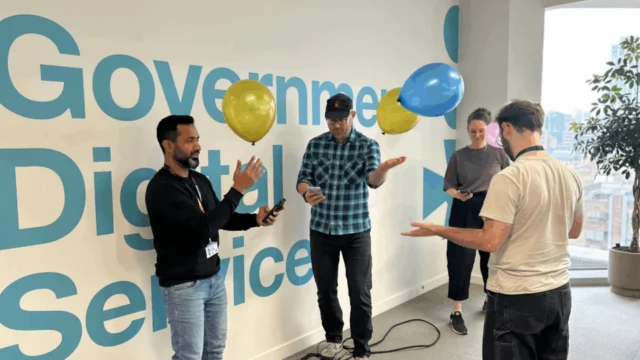
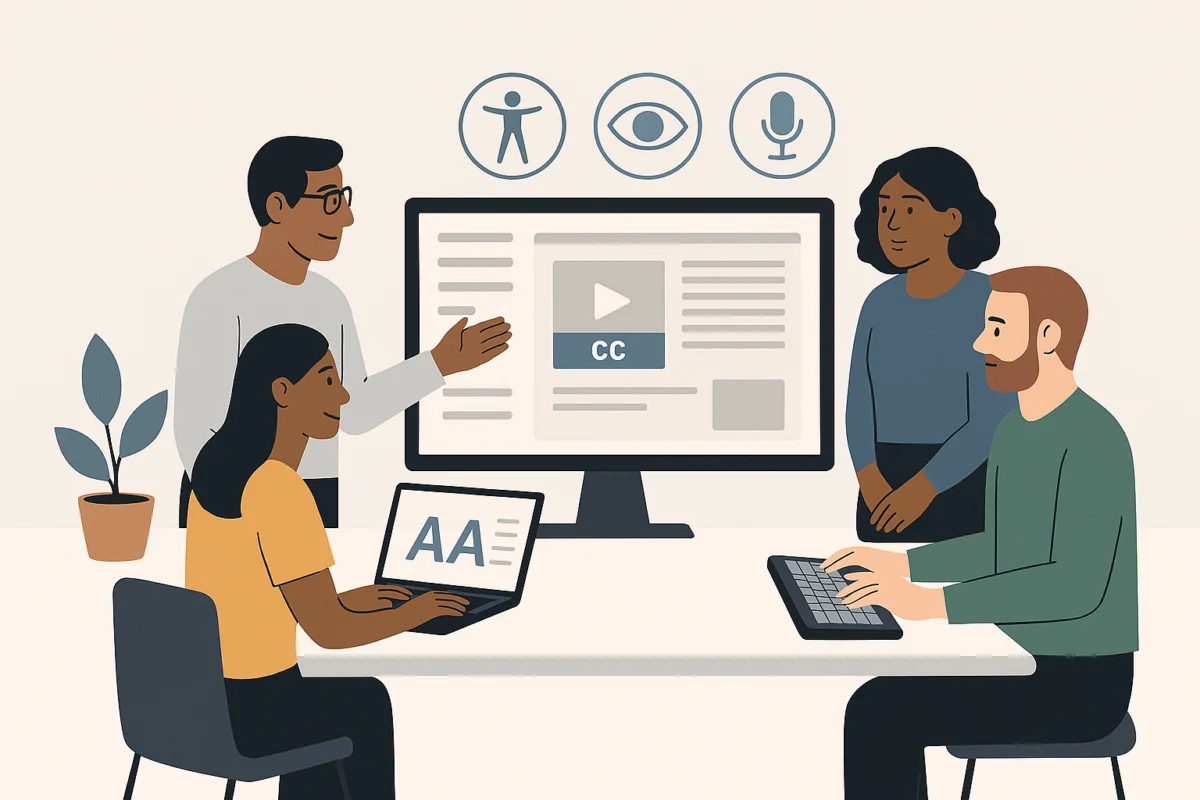
The week-long summit brings together a coalition of government departments and arm’s length bodies, including the Home Office, the Department for Work and Pensions (DWP), His Majesty’s Revenue and Customs (HMRC), and the Government Digital Service (GDS). By fostering a collaborative environment, the event aims to move accessibility from a post-development checklist to a fundamental pillar of the digital lifecycle. For 2026, the thematic alignment with GAAD emphasizes that accessibility is not merely a technical requirement but a civil right, ensuring that no citizen is barred from public services due to sensory, cognitive, or physical impairments.
The Strategic Importance of Digital Accessibility in 2026
The timing of Digital Accessibility Week 2026 is significant within the context of the UK’s broader digital transformation strategy. According to recent data from the Office for National Statistics (ONS) and disability advocacy groups like Scope, approximately 16 million people in the UK—nearly 24% of the population—live with a disability. As the "Digital by Default" strategy matures, the risk of digital exclusion has become a paramount concern for the Cabinet Office. Failure to provide accessible services not only marginalizes vulnerable populations but also creates significant legal and financial risks for departments under the Public Sector Bodies (Websites and Mobile Applications) (No. 2) Accessibility Regulations 2018.
By 2026, the landscape of accessibility has expanded beyond simple screen-reader compatibility. The rise of artificial intelligence (AI) in public service delivery and the increasing complexity of web applications have necessitated a more nuanced approach. Digital Accessibility Week provides the necessary forum to address these complexities, offering practical skills that range from basic HTML structure to the implementation of the forthcoming Web Content Accessibility Guidelines (WCAG) 3.0.
A Chronological Overview of the 2026 Program
The event is structured to accommodate varying levels of expertise, from entry-level administrative staff to senior technical architects. The sessions are hosted via online platforms, ensuring that public sector workers from across the four nations can participate without the barriers of travel.
Monday, 18 May: Establishing the Fundamentals
The week commences with a focus on foundational knowledge. The Home Office leads the morning session with "Introduction to Accessibility," an interactive non-technical primer. This session is designed to dismantle the misconception that accessibility is solely the responsibility of developers. By framing inclusivity as a cultural requirement, the Home Office aims to build a baseline of empathy and understanding across all roles.
In the afternoon, the DWP provides a technical deep dive into assistive software, demonstrating how screen readers, magnification tools, and voice recognition software interact with government portals. This is followed by a high-stakes session from the Government Digital Service regarding WCAG 3.0. As the international community transitions toward these new standards, GDS will outline the roadmap for UK government compliance, focusing on how the "Silver" guidelines will move toward a more flexible, outcome-based scoring system compared to the current 2.2 standards.
Tuesday, 19 May: Inclusive Design and Cognitive Accessibility
Tuesday’s agenda shifts toward the user experience (UX) and the psychological aspects of digital interaction. HMRC and the DWP host concurrent sessions on the relationship between HTML and accessibility, and the principles of designing for neurodivergent users. The session "Designing with autistic people" is particularly timely, as cognitive accessibility has historically received less attention than visual or auditory impairments.
The Ministry of Justice (MoJ) will present an analysis of how accessibility drives innovation. This session argues that by designing for the "edges" of the user base, departments create more robust and intuitive services for the "average" user. This concept, often referred to as the "Curb Cut Effect," posits that features designed for disability—such as captions or clear navigation—benefit the entire population. The day concludes with a joint presentation by HMRC and Ofcom on digital media literacy, exploring how social factors and confidence levels impact a citizen’s ability to engage with digital government.
Wednesday, 20 May: Practical Testing and Specialized Innovation
Mid-week sessions focus on the "how-to" of accessibility. The Student Loans Company (SLC) hosts a beginner-friendly workshop on accessibility testing, empowering non-specialists to use automated tools like WAVE and perform keyboard-only navigation audits. This democratization of testing is a key goal for 2026, aimed at catching accessibility barriers earlier in the development sprint.
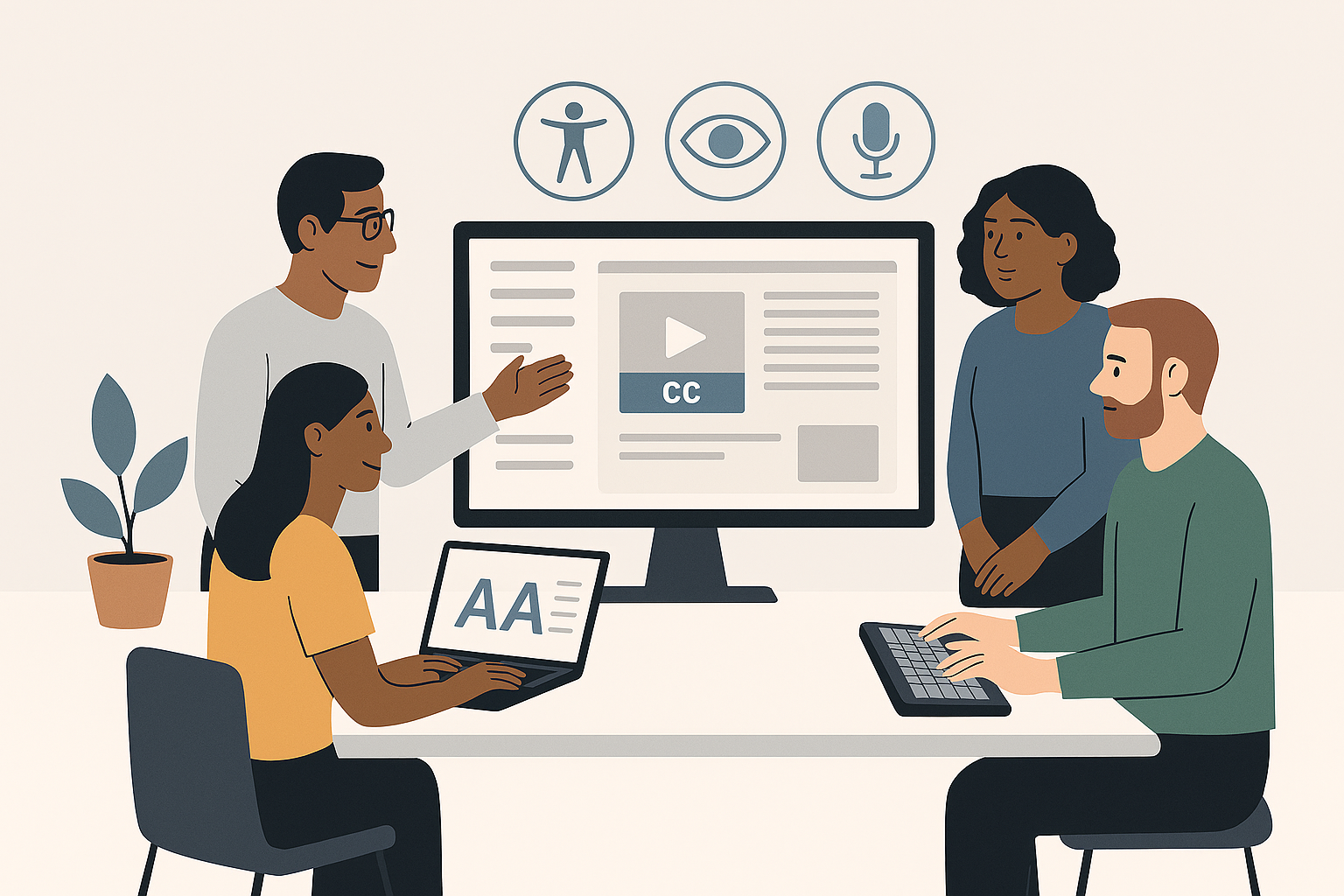
One of the more unique sessions of the week is hosted by the Department for Environment, Food & Rural Affairs (Defra), which will explore accessibility in video gaming. By analyzing how the gaming industry handles complex 3D environments and rapid-response inputs for disabled players, Defra aims to extract innovative UI/UX patterns that can be applied to complex government data dashboards. The day wraps up with a session on "Common WCAG fails," where the DWP will compare the "WebAIM Million" data—an annual accessibility audit of the top one million websites—against the most frequent errors found in UK government services.
Thursday, 21 May: Governance, Regulation, and Career Pathways
The final day, coinciding with Global Accessibility Awareness Day, focuses on the structural and regulatory frameworks that sustain accessibility. HMRC will lead a discussion on the "quiet magic" of regulations, explaining how the 2018 regulations are enforced and how practitioners can build internal business cases for accessibility investment.
The Department for Education (DfE) will showcase its "Accessibility Statements Service," a tool designed to help departments maintain transparency regarding their compliance levels. In a move toward professionalizing the field, the week concludes with a session on the Digital Accessibility Specialist apprenticeship. This highlights the government’s commitment to building a permanent, skilled workforce dedicated to inclusive design, rather than relying on external consultants.
Data-Driven Insights and Broader Impact
The 2026 event is underpinned by a growing body of evidence suggesting that accessible design is a primary driver of efficiency. Data from the Central Digital and Data Office (CDDO) indicates that accessible services have a 15% higher "first-time completion" rate compared to those that do not meet WCAG standards. This translates to millions of pounds saved in reduced "failure demand"—the cost incurred when citizens must call a helpdesk because they cannot complete a task online.
Furthermore, the focus on inclusive user research (highlighted in Tuesday’s HMRC session) addresses a critical data gap. Historically, disabled users have been underrepresented in usability testing. By mandating the inclusion of users with assistive technologies, the UK government is ensuring that its data sets are more representative of the actual population, leading to better policy outcomes.
Institutional Responses and Future Implications
The breadth of participation in Digital Accessibility Week 2026 reflects a unified front across the UK public sector. Statements from departmental heads suggest a shift in perspective: accessibility is no longer viewed as a "specialist" niche but as a core competency of the modern civil servant.
"Digital accessibility is the floor, not the ceiling," noted one projected briefing from the GDS. "As we look toward the 2030s, our goal is to ensure that every digital interaction with the state is frictionless, regardless of the user’s circumstances. This week is about building the capability to make that vision a reality."
The implications of this week extend beyond the public sector. As the UK government sets a high bar for digital inclusivity, it influences the private sector supply chain. Vendors and contractors wishing to work with the government must adhere to these rigorous standards, effectively raising the quality of digital products across the national economy.
Participation and Engagement
Digital Accessibility Week 2026 is restricted to those working within the UK public sector. To maintain the integrity and security of the sessions, organizers have mandated the use of official work email addresses for registration. While not all sessions will be recorded due to the sensitive nature of some departmental demonstrations, the live timetable is designed to be as inclusive as the services it promotes.
By the close of the event on 21 May, the UK public sector aims to have equipped thousands of its employees with the tools, data, and motivation to advance the cause of digital equality. In an era where digital participation is synonymous with social participation, the work done during this week represents a vital investment in the democratic fabric of the United Kingdom.