Clinical Context and the Biological Basis of Angelman Syndrome
Angelman syndrome is a complex genetic disorder primarily caused by the loss of function of the UBE3A gene on the maternal copy of chromosome 15. The condition affects approximately one in every 12,000 to 20,000 individuals worldwide. Clinically, the syndrome manifests through a constellation of symptoms including ataxia, balance issues, microcephaly, and frequent seizures. However, it is the profound challenge regarding speech that often defines the daily experience of those affected.
Despite significant verbal impairments, individuals with AS frequently exhibit a robust desire for social interaction. They are characterized by a high degree of sociability, often described as having an excitable, happy demeanor with frequent laughing and smiling. This inherent drive to connect makes the implementation of AAC not merely an educational goal, but a fundamental psychological necessity. When individuals are provided with high-quality AAC systems—whether low-tech picture boards or sophisticated speech-generating devices—they are better equipped to express needs, preferences, and emotions, thereby reducing the behavioral frustrations that can arise from systemic communicative barriers.
The Role of Communication Partners in AAC Success
The efficacy of AAC interventions is rarely determined by the technology alone. Instead, research in the field of speech-language pathology emphasizes the critical role of "communication partners." These are the parents, educators, and therapists who serve as the architects of a supportive environment. For a child or adult with AS, the environment must be "communicatively accessible," meaning that peers and caregivers are trained to model language, respect wait times, and interpret non-verbal cues—such as eye gaze, gestures, and vocalizations—as legitimate communicative acts.
The current movement in Latin America seeks to professionalize this support network. By fostering communities where families are not isolated in their journey, the advocacy community is shifting the focus from individual therapy sessions to systemic support. The goal is to ensure that every individual with AS has a team that believes in their potential, consistently providing opportunities for interaction across all settings, including school, home, and community events.
Chronology of Advocacy and Regional Growth
The push for improved resources for AS in Latin America has seen a marked acceleration over the last decade. Historically, access to specialized resources and evidence-based interventions for rare diseases was fragmented across the region. However, the emergence of coordinated patient advocacy groups has begun to bridge these gaps.
- 2015–2018: Early stages of regional networking, primarily focused on awareness campaigns and localized support groups in Argentina, Brazil, and Mexico.
- 2022: The inaugural Latin American Angelman Syndrome Congress successfully established a regional baseline for clinical standards and family support, demonstrating the pent-up demand for centralized knowledge.
- 2024: Development of standardized training modules for AAC implementation, specifically tailored to the cultural and linguistic nuances of Spanish-speaking populations.
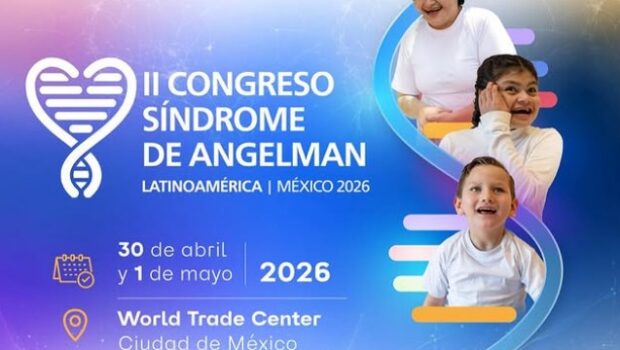
- 2026 (Upcoming): The 2nd Latin American Angelman Syndrome Congress, scheduled for April 30 and May 1, 2026, in Mexico City, represents the culmination of these efforts, aiming to consolidate research, clinical practice, and family advocacy into a unified regional strategy.
The 2nd Latin American Angelman Syndrome Congress: A Hub for Progress
The selection of Mexico City as the host for the 2026 congress is strategic, serving as a geographic and cultural crossroads for international experts. The event is designed to move beyond traditional medical conferences by incorporating a tripartite focus: scientific research, clinical intervention, and the lived experience of families.
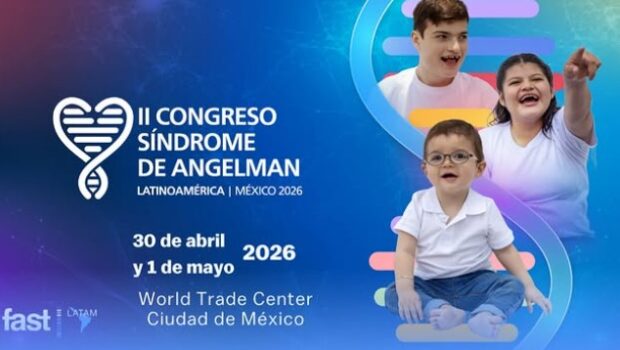
Official organizers note that the congress will host sessions on the latest pharmacological research, alongside workshops dedicated to the practical application of AAC in home environments. By inviting researchers to engage directly with families, the event aims to translate high-level clinical insights into actionable daily strategies. Interested parties can access registration and programming details through the official portal, congresoangelman.com, which serves as the primary repository for the event’s evolving agenda.
Fact-Based Analysis: The Societal Implications of Communication Access
The drive to provide AAC is rooted in the broader human rights framework, specifically the United Nations Convention on the Rights of Persons with Disabilities (UNCRPD). Communication is the fundamental mechanism through which individuals exercise their autonomy, make medical decisions, and participate in civic life. When this right is ignored, the resulting exclusion is not merely a failure of educational support but a systemic denial of personhood.
Analysis of long-term outcomes for individuals with AS indicates that those who gain proficiency in AAC demonstrate higher levels of independence and lower rates of social isolation. Furthermore, the economic impact of investing in early communication support is significant; by reducing the need for intensive behavioral interventions and preventing the psychological burnout of caregivers, society realizes a net benefit in long-term health and wellness outcomes.
Professional Perspectives on the Future of Care
Leading advocates and clinicians involved in the Latin American network emphasize that the path forward requires a shift in the "expert" dynamic. Rather than a top-down approach where professionals dictate outcomes to families, the emerging model is one of co-production. In this model, the clinical expertise of speech-language pathologists and neurologists is synthesized with the intimate, daily observational knowledge held by parents.
"We are building a community that holds its members up," noted a representative involved in the coordination of the upcoming congress. "It is not enough to provide a device. We must create a culture where the individual is seen, heard, and respected as a communicator, regardless of their method of expression."
Moving Toward Inclusion
As the community prepares for the events in Mexico City this spring, the underlying message of February remains clear: Angelman Syndrome Awareness Month is a call to action. It is a period to reflect on the progress made in the last few years and to identify the remaining barriers that prevent full inclusion.
For the families of those with AS, the journey is one of continuous learning. Every symbol selected, every gesture interpreted, and every opportunity for social interaction represents a step toward a more inclusive society. By fostering partnerships between clinicians, researchers, and families, the community is not only improving the quality of life for those with Angelman syndrome today but is also establishing a robust, sustainable framework for the future of neurodevelopmental care in Latin America. As preparations for the congress continue, the expectation is that this gathering will serve as a catalyst for policy change, resource allocation, and a deeper societal appreciation for the diverse ways in which humans connect.