The Foundation of Resilience: Early Intervention and Development
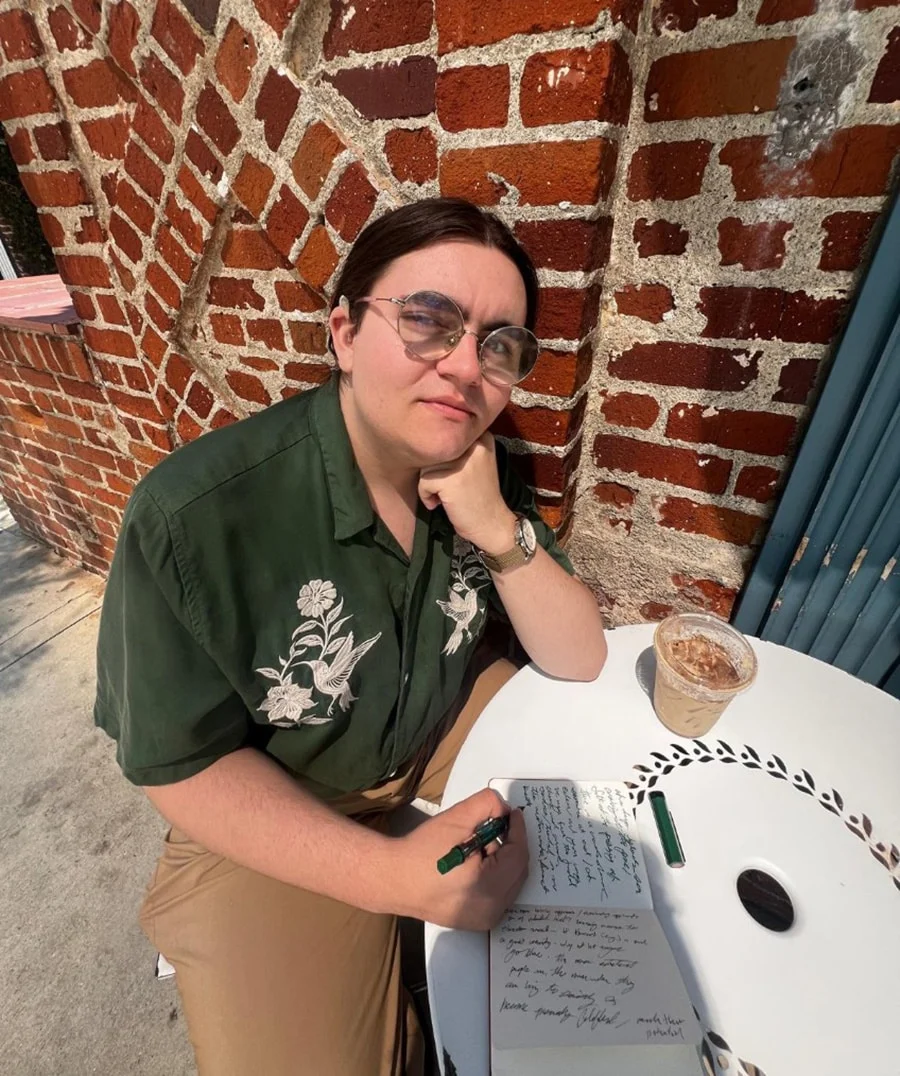
The story of Landon Nolfi-Browne began over a decade after the inception of Listen and Talk. Early intervention is widely recognized by medical and educational professionals as the critical window for children with hearing loss to develop language, cognitive, and social skills. For Nolfi-Browne, this phase was facilitated by specialized mentors who provided the structural foundation necessary for his later academic success.
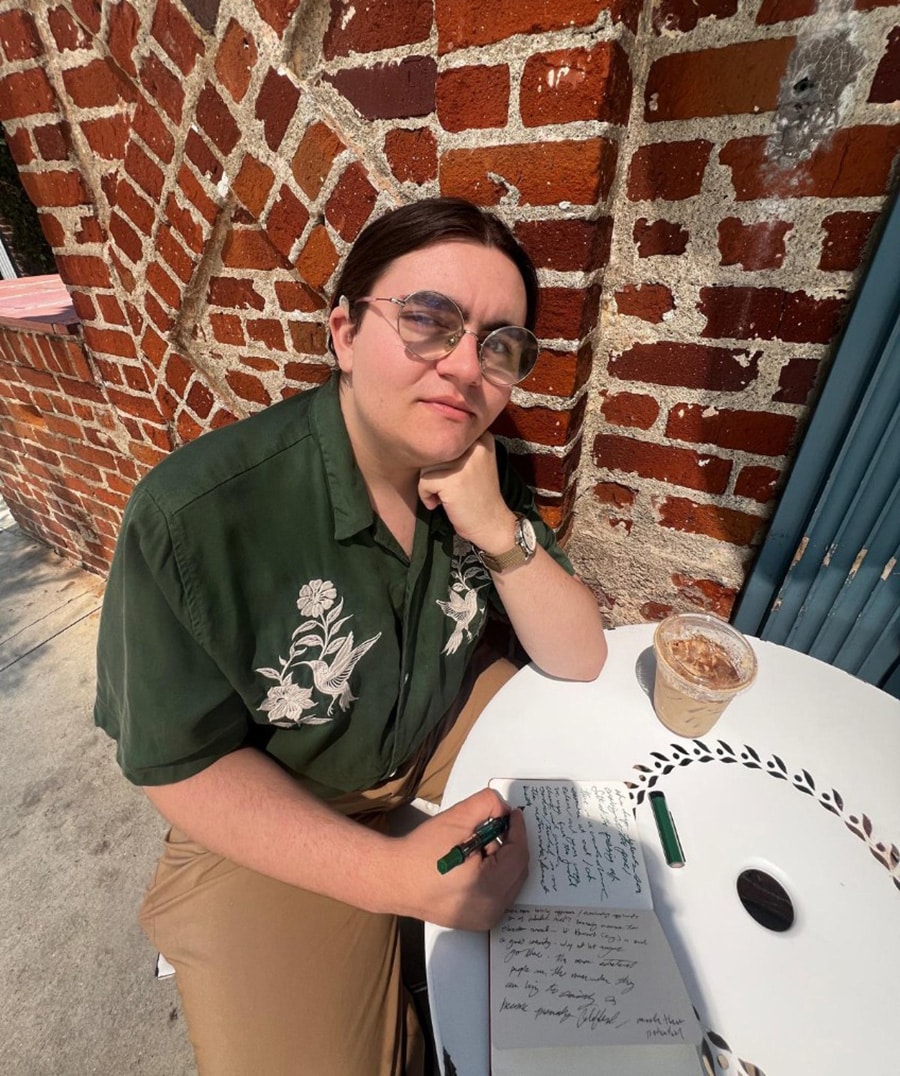
His parents reflect on this foundational period as the catalyst for his trajectory, noting that the support provided by staff members such as Maura and Star was instrumental. In the context of pediatric audiology and developmental psychology, these early interventions are not merely supplementary; they are foundational. Data from the American Speech-Language-Hearing Association (ASHA) indicates that children who receive consistent, high-quality intervention prior to age three show significantly higher rates of grade-level proficiency compared to their peers who receive services later. The "Life Without Limits" philosophy championed by his early educators allowed Nolfi-Browne to view his hearing loss not as a barrier to entry, but as a component of his lived experience that necessitated strategic communication and advocacy.
A Chronology of Academic Advancement
Nolfi-Browne’s academic path has been marked by a departure from traditional educational milestones in favor of accelerated, self-determined learning.
- Early Childhood: Received foundational speech and audiology services at Listen and Talk, establishing baseline communication and social skills.
- Middle School Years: Exhibited a drive for academic rigor that exceeded the constraints of his local middle school curriculum. By the 6th grade, he transitioned into community college coursework.
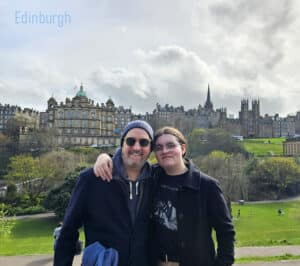
- The Transition to Higher Education: Following the global disruption caused by the COVID-19 pandemic, Nolfi-Browne prioritized his academic progression, securing admission to the University of Edinburgh at age 17.
- International Recognition: During his tenure in Scotland, his historical scholarship received acclaim typically reserved for publication-level work, distinguishing him as an exceptional student among his international peers.
- UCLA and Public Policy: Upon returning to the United States, he transferred to the University of California, Los Angeles (UCLA). His performance there—defined by a consistent record of straight A’s—led to his appointment to the Undergraduate Advisory Council at the Gilder Lehrman Institute of American History.
This timeline reflects a deliberate, proactive strategy of academic enrichment. By pursuing higher education at an accelerated rate, Nolfi-Browne effectively bypassed the limitations often placed on students with developmental or physical challenges, proving that institutional support structures can enable students to exceed standard expectations.
Scholarly Contributions and Political Engagement
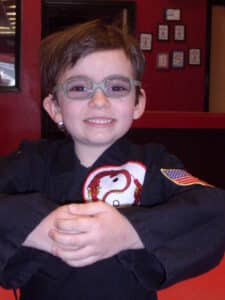
Nolfi-Browne’s academic success at UCLA is not confined to the classroom. His selection as an inaugural member of the Undergraduate Advisory Council at the Gilder Lehrman Institute of American History places him among the top tier of American undergraduate history students. This institute, a preeminent organization in the study of American history, provides a platform for students to engage with primary sources and pedagogical research that informs the national curriculum.
Beyond his historical research, Nolfi-Browne has demonstrated a profound interest in public policy. His recent collaborative work with San Francisco Board of Supervisors member Myrna Melgar underscores a pivot from theoretical study to practical civic engagement. The public policy initiatives he championed during this tenure received significant praise, culminating in a standing ovation that signaled the resonance of his work with local stakeholders. This crossover into the public sphere is a critical indicator of his development; it suggests that his education has empowered him to identify, analyze, and attempt to solve complex social problems, a hallmark of high-functioning academic achievement.
Socio-Economic Implications of Early Intervention
The success of individuals like Nolfi-Browne highlights the broader economic and social return on investment for organizations like Listen and Talk. When children with hearing loss are provided with adequate resources—including speech therapy, audiology, and parent education—the long-term societal cost is significantly reduced, while the potential for individual contribution increases.
According to the National Institute on Deafness and Other Communication Disorders (NIDCD), the economic impact of hearing loss on the labor market is substantial. However, early-life intervention programs shift the burden from long-term disability support to long-term economic participation. Nolfi-Browne’s career path—which includes tutoring, high-level university research, and municipal public service—demonstrates that the "Life Without Limits" model is not only a charitable goal but a sustainable economic strategy for maximizing human capital.
Official Responses and Organizational Vision
The leadership at Listen and Talk has expressed immense pride in Nolfi-Browne’s achievements. For an organization that operates as a social impact enterprise, the success of an alumnus serves as the primary metric of efficacy. By documenting the progress of students who have gone on to achieve excellence at institutions like UCLA and the University of Edinburgh, the organization validates its methodology for donors, stakeholders, and the families currently enrolled in their programs.
The organization’s mission—"no child is limited by hearing loss"—is a direct rebuttal to the historical stigma associated with auditory impairments. By providing a platform for Nolfi-Browne to share his story, the organization reinforces the necessity of its ongoing fundraising efforts. The capital raised through their donation channels directly funds the speech therapy, audiology testing, and parent training that allowed Nolfi-Browne to flourish in the first place.
Looking Forward: The Philosophy of Perseverance
As Nolfi-Browne completes his honors thesis at UCLA, he continues to emphasize that the true essence of living a "life without limits" is not the absence of failure, but the persistence through it. His perspective on navigating the unknown—acknowledging that outcomes may differ from original projections but remain rewarding nonetheless—is a nuanced takeaway for students facing similar obstacles.
The implications of his success are twofold: for the individual, it is a personal triumph of intellect and character; for the community of those with hearing loss, it is a blueprint for what is possible when early intervention meets individual agency. As he moves forward in his career, Nolfi-Browne represents a new generation of scholars and policy-oriented thinkers who are informed by their unique life experiences. His journey remains a powerful case for the continued support of early education initiatives, serving as a reminder that the investment made in a child’s early development can yield profound, long-term dividends for society at large.
The Life Without Limits Award is not merely a reflection of past achievements; it is a recognition of the potential for future contributions that will undoubtedly shape both the academic landscape and the public policy arena for years to come.