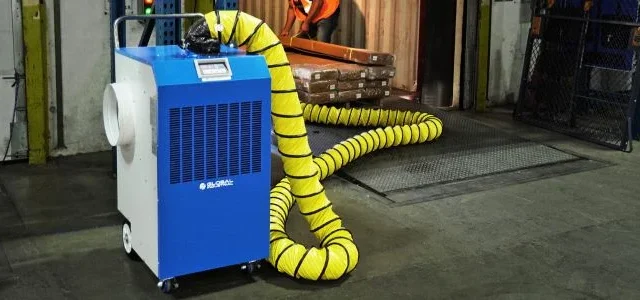
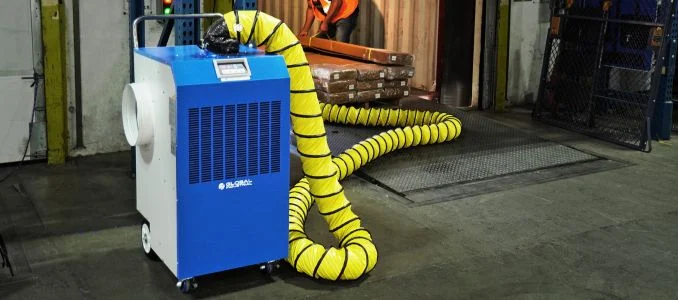
The core issue lies in the disparity between building design and modern heat loads. Traditional HVAC systems are engineered to maintain a static, average temperature throughout a structure. They are rarely equipped to combat the localized heat spikes generated by high-density machinery, intensive production processes, or extreme solar gain in expansive, poorly insulated industrial spaces. Consequently, many facilities are turning to targeted spot cooling—a method that focuses climate control on specific workstations, server rooms, or critical equipment—as a strategic alternative to massive, facility-wide overhauls.
The Evolution of Industrial Heat Management
The historical reliance on central HVAC systems traces back to an era when industrial heat loads were relatively uniform and energy costs were significantly lower. In the mid-20th century, a large manufacturing floor could often be cooled by a centralized system because the heat-generating processes were distributed evenly.
However, the rapid digital transformation of the last two decades has changed the landscape. The introduction of high-density server racks, automated assembly lines, and high-frequency machinery has created "thermal islands" within facilities. A 2023 industry analysis conducted by the American Society of Heating, Refrigerating and Air-Conditioning Engineers (ASHRAE) noted that industrial heat density has increased by approximately 22% over the last ten years. As a result, the centralized systems of the past are now being pushed beyond their design limitations.
This shift has created a recurring crisis for facility managers. When a production line reaches temperatures that exceed safety guidelines, the common, yet inefficient, response is to lower the building-wide thermostat. Data from energy audits across North American distribution centers indicates that lowering a central thermostat by just three degrees Fahrenheit can increase total cooling energy consumption by as much as 15% to 18%, without necessarily resolving the localized hot spot at a specific workstation.

Chronology of a Changing Climate
The urgency of this transition is underscored by the shifting environmental data of the 2020s.
- 2020-2021: The construction and manufacturing sectors began reporting a notable uptick in heat-related safety incidents. Organizations like OSHA (Occupational Safety and Health Administration) reported a marked increase in heat-related illnesses among warehouse workers during summer months.
- 2022: A series of record-breaking heat waves across the Northern Hemisphere forced a major rethink in facility management. Many companies found their existing HVAC systems failing during peak load periods, leading to emergency shutdowns of equipment and temporary labor shortages.
- 2023-2024: Industry experts began formally documenting the "Efficiency Gap." This period marked a transition where facility managers stopped viewing central HVAC as the primary solution and began adopting a "layered" approach, integrating spot cooling into their business continuity plans.
- 2025-2026: Sustainability mandates and rising electricity prices have solidified the shift toward targeted cooling. The focus has moved from "cooling the space" to "cooling the human and the machine."
The Economic and Operational Rationale for Spot Cooling
The primary argument for spot cooling is rooted in the principles of thermodynamics and cost-efficiency. By delivering cold air directly to the point of need, facilities can achieve higher cooling efficacy with significantly lower energy expenditure.
From an operational perspective, the implications are profound. Workers subjected to sustained temperatures above 85°F (29°C) experience a statistically significant drop in cognitive function and physical dexterity. According to studies published in the Journal of Occupational and Environmental Medicine, error rates in precision tasks increase by 12% to 15% when ambient temperatures exceed recommended thermal comfort zones. By implementing spot cooling at these workstations, managers can stabilize productivity while simultaneously reducing the risk of heat-induced workplace injuries.

Furthermore, the longevity of critical machinery is directly tied to thermal stability. Sensitive electronics and server hardware, which are now integral to modern supply chains, are prone to thermal throttling or complete failure when exposed to localized heat spikes. Supplemental cooling systems provide a localized safety net, ensuring that individual processes remain within operational parameters regardless of the ambient temperature in the rest of the facility.
Perspectives from Industry Leaders
Industry consultants specializing in facility engineering emphasize that spot cooling is not a replacement for ventilation, but rather a surgical intervention. "The goal is to stop treating the entire building as a single thermal entity," notes a lead consultant for a national industrial infrastructure firm. "If you have a 200,000-square-foot warehouse and only 10,000 square feet are being actively utilized for high-heat production, why are you spending the energy to cool the remaining 190,000 square feet to the same degree? It is a fundamental misallocation of resources."
This sentiment is echoed by safety directors, who view spot cooling as a critical component of risk management. The consensus among safety professionals is that heat stress is no longer an occasional seasonal annoyance but a year-round operational hazard. "We are seeing that heat-related absenteeism is a significant drag on productivity," says one safety manager at a mid-sized logistics firm. "Spot cooling allows us to keep our teams safe without the logistical nightmare of retrofitting an aging building’s central HVAC system."
Analyzing the Broader Implications
The shift toward localized climate control has several long-term implications for the industrial sector:
- Energy Sustainability: As companies strive to meet ESG (Environmental, Social, and Governance) goals, reducing the carbon footprint of massive, inefficient HVAC systems is a priority. Spot cooling represents a direct pathway to reducing energy waste, aligning with broader corporate sustainability targets.
- Facility Resilience: By decentralizing the cooling infrastructure, facilities become more resilient. If a central unit fails, the entire facility goes down. However, if a facility relies on a mix of central ventilation and targeted spot cooling, the risk is mitigated. Critical operations can continue even if the building’s primary HVAC system requires maintenance or experiences a partial failure.
- CAPEX vs. OPEX: The capital expenditure required for a complete facility-wide HVAC overhaul is often prohibitive, frequently running into the millions of dollars. In contrast, spot cooling units offer a modular, scalable solution that can be financed through operational budgets. This allows facility managers to address heat issues incrementally, scaling their investment to meet the specific needs of their production schedule.
- Worker Retention: In a tight labor market, providing a safe, climate-controlled environment is a significant competitive advantage. Facilities that prioritize worker comfort through targeted interventions report higher morale and lower turnover rates compared to those that struggle with uncontrolled heat.
Future-Proofing the Industrial Floor
As we look toward the remainder of the decade, the integration of smart technology with spot cooling systems appears to be the next logical step. The next generation of spot coolers is already being equipped with IoT-enabled sensors that adjust output based on real-time temperature data at the workstation level. This closed-loop system ensures that cooling is only provided when and where it is needed, further maximizing efficiency.
The transition from a blanket approach to a targeted strategy is reflective of a broader maturation in facility management. It recognizes that industrial environments are not static; they are dynamic, high-stakes ecosystems that require precise, intelligent intervention. By decoupling the need for worker safety and machinery integrity from the inefficient task of cooling thousands of cubic feet of empty warehouse space, companies are discovering that they can achieve higher levels of performance while simultaneously controlling costs.

In conclusion, the decision to invest in spot cooling is as much about business strategy as it is about environmental control. It acknowledges the realities of a changing climate and the demands of modern production. For facility and safety managers tasked with balancing the bottom line with the welfare of their personnel, spot cooling provides a proven, adaptable, and highly efficient path forward. It represents a shift away from the "bigger is better" mentality of the past and toward a smarter, more targeted future where efficiency and safety are inextricably linked.