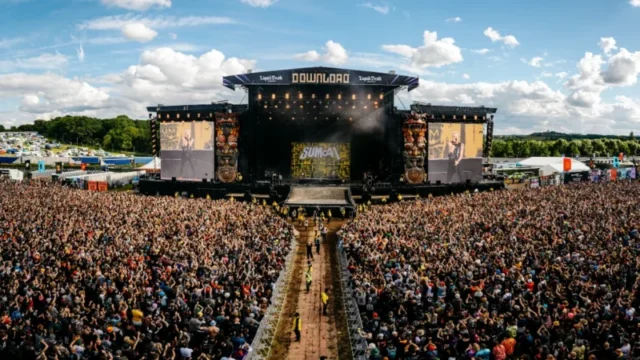
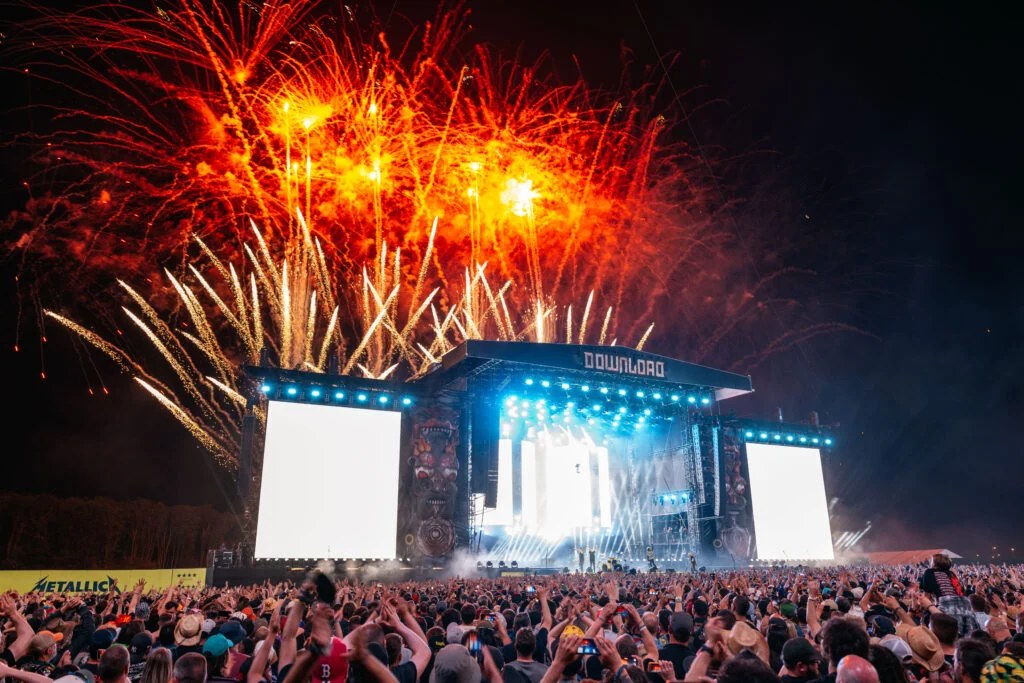
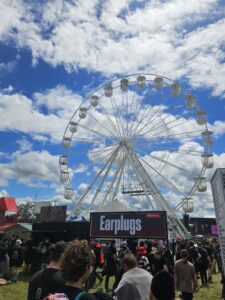
The logistical undertaking involved not only the distribution of protective equipment but also a concerted effort to engage artists, industry professionals, and attendees in a candid discussion regarding the risks of excessive noise exposure. By embedding themselves within one of the world’s most intense sonic environments, Tinnitus UK moved beyond digital awareness campaigns to provide tangible solutions in real-time.
The Auditory Crisis: Context and Clinical Data
The urgency of this intervention is underscored by sobering statistics. Medical data suggests that approximately one in seven adults in the United Kingdom lives with some form of tinnitus—a persistent ringing or buzzing in the ears that can significantly degrade quality of life. Within the professional music industry, the prevalence is even more alarming, with estimates suggesting that one in three musicians suffers from the condition.
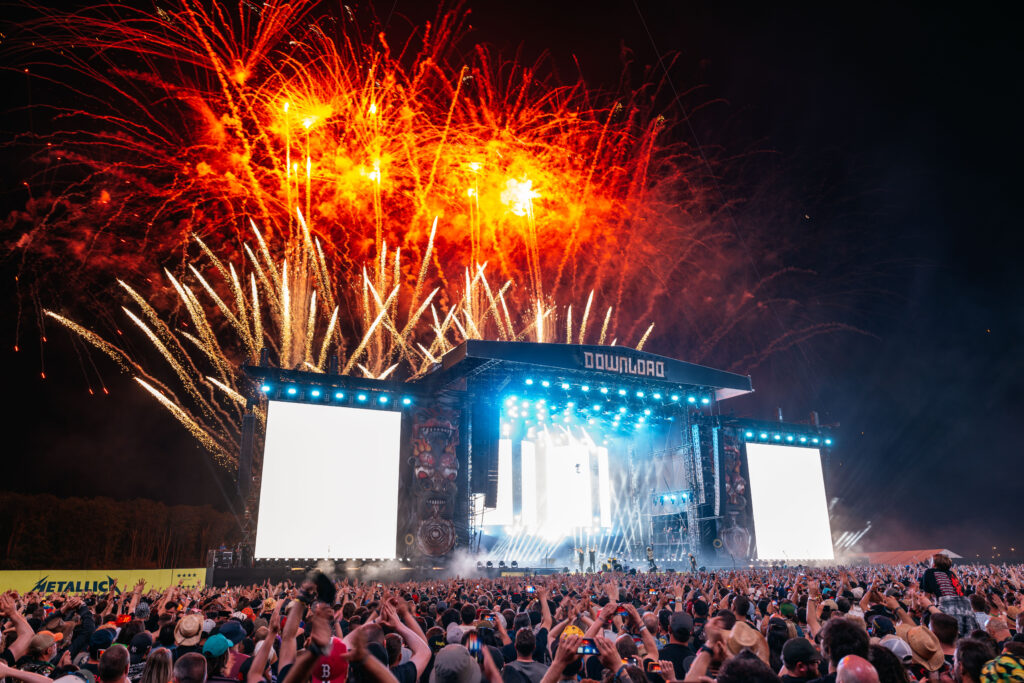
The mechanism of injury is well-documented: prolonged exposure to sound levels exceeding 85 decibels (dB) without adequate protection can lead to permanent damage of the hair cells within the cochlea. At a standard rock festival, sound pressure levels at the front of the stage frequently surpass 100 dB. In such environments, the threshold for potential permanent damage can be reached in as little as 15 minutes. Despite these figures, hearing protection has historically been viewed as a peripheral concern rather than a fundamental component of festival safety.
Chronology of the Initiative
The collaboration unfolded through a carefully staged series of activations over the course of the festival weekend.
- Pre-Festival Integration: Weeks before the gates opened, Tinnitus UK and Live Nation coordinated the logistics of site accessibility. This included the strategic placement of hearing loops and the implementation of BSL (British Sign Language) interpretation for main stage performances to ensure inclusivity.
- Day One – Accessibility Launch: The festival’s opening saw the roll-out of complimentary earplug stations across high-traffic areas. The goal was to remove the economic and social barriers to protection, making safety equipment as easily accessible as water or sunscreen.
- Mid-Festival – Artist Engagement: Throughout the weekend, Tinnitus UK representatives conducted a series of interviews with performers and influencers. These sessions were designed to document the "lived experience" of hearing health, moving the conversation from abstract medical warnings to relatable, personal narratives.
- Closing – Data Synthesis: The final phase involved collecting feedback from attendees and performers to assess the success of the awareness outreach, setting the stage for future policy recommendations for the UK festival sector.
Voices from the Stage: The Industry Reckoning
The initiative gained significant momentum through the participation of artists who have navigated the realities of hearing damage. The feedback provided by these performers reveals a shifting culture within the music industry.
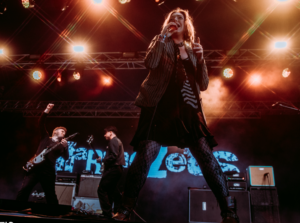
Alice of the band Lake Malice emphasized that preservation requires a holistic approach. "I listen to ASMR and quiet time helps me so much," she noted, highlighting the need for auditory recovery periods. More importantly, she stressed the transition to professional-grade gear, stating, "I wear my moulded in-ear monitors at gigs; they help so much."
This sentiment was echoed by Becca of Marmozets, who reflected on the evolution of her own habits. "We’ve been doing this a while, and now we really understand the importance of hearing protection," she said. Her pragmatic approach—keeping earplugs attached to her keys—demonstrates a shift toward integrating protection into daily life rather than viewing it as a cumbersome gig-day requirement.
The testimonies of veteran musicians were particularly stark. Foley, the drummer for As It Is, provided a cautionary tale that served as a centerpiece for the charity’s outreach. "I have significant hearing problems. I have two perforated eardrums which is solely down to harsh exposure with no protection from an early age," he admitted. His reflection serves as a clear warning to the next generation of touring musicians: "If I could rewind the clock, I would have protected my ears more efficiently earlier on. When the damage is done, it’s done."
Structural Changes and Accessibility
The partnership between Live Nation and Tinnitus UK at Download is emblematic of a broader trend in event management. Historically, festival accessibility focused primarily on physical mobility. However, the inclusion of hearing-centric features—such as the widespread availability of high-fidelity earplugs and advanced induction loop systems—represents a modernization of safety standards.
By making ear protection visible and "styled" as a standard part of the festival experience, the organizers are successfully destigmatizing the use of earplugs. Influencers like Stephanie, who noted that modern protective gear can be aesthetically pleasing, help move the narrative away from the idea that protection is "uncool" or detrimental to the music-listening experience. In fact, high-fidelity earplugs are designed to reduce volume without sacrificing sound quality, allowing fans to hear the music with greater clarity while shielding the ears from damaging frequencies.
Broader Implications for the Live Music Sector
The implications of this collaboration extend far beyond a single weekend in Donington. The success of the initiative suggests that the music industry is reaching a tipping point regarding occupational health.
- Normalization of Protective Habits: By proving that fans and artists alike are receptive to hearing health messaging, Tinnitus UK has created a blueprint for other major promoters to follow. The "look after yourself" message is increasingly being adopted as part of the wider festival ethos.
- Policy Shifts: There is growing pressure on event organizers to include hearing health as a mandatory component of event safety permits. The Download model, which combines free resources with expert advocacy, provides a scalable template for these requirements.
- Long-term Economic Impact: Protecting the hearing of the next generation of musicians and fans is a long-term investment in the industry itself. A decline in hearing-related retirements among touring musicians and a healthier, more engaged fan base directly benefit the sustainability of the live music ecosystem.
Conclusion: A New Standard for Sonic Engagement
The partnership between Tinnitus UK and Download Festival marks the end of an era where "ringing ears" were treated as a badge of honor or an inevitable byproduct of a good show. The data collected during the event, combined with the candid testimonials from artists, underscores a simple, powerful truth: the capacity to enjoy music is a finite resource that must be managed with care.
As the industry looks toward future seasons, the lessons learned at Download suggest that the future of live music is not just louder or more spectacular, but also safer and more sustainable. By fostering a culture where hearing protection is as common as a festival wristband, the industry is taking a vital step toward ensuring that the music—and the fans’ ability to hear it—continues for decades to come. The collaboration serves as a reminder that when it comes to auditory health, the most effective measures are often those that turn silent, preventative habits into a collective, public movement.